
Plants
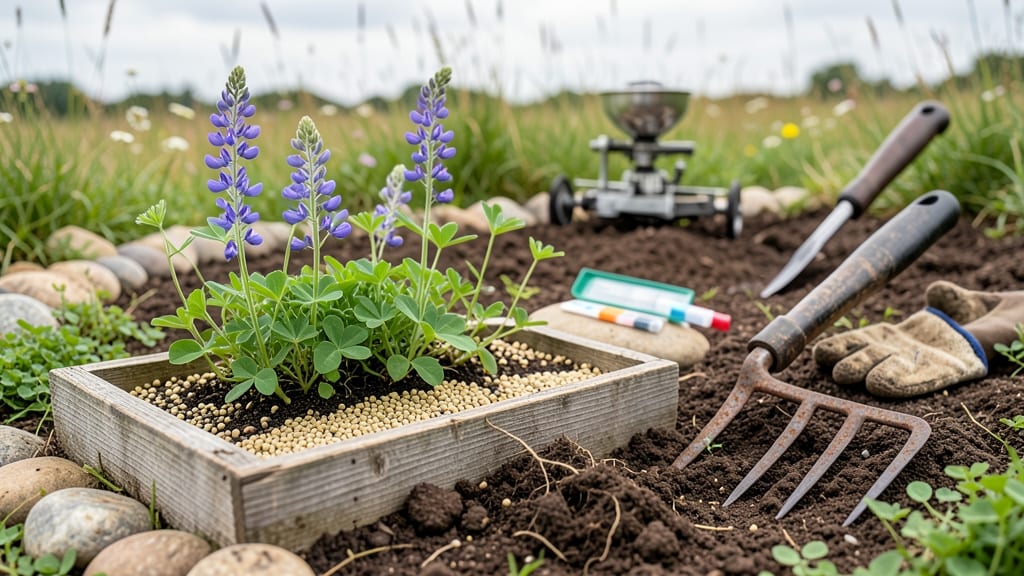
Timing your alfalfa planting in Indiana could mean the difference between a thriving crop and a disappointing one—especially in USDA Zone 6a, where early frosts and summer heat play a critical role. If you've ever wondered why some gardens flourish while others struggle, the answer often starts with the calendar.
Alfalfa 🌱 thrives when planted at the right moment, and Indiana’s climate offers two prime windows: early spring (March-April) or late summer (August). Missing these windows can lead to weak root development or even failed germination, leaving you wondering what went wrong.
The key is understanding how soil temperatures and frost dates interact with your planting schedule.
Let’s break down the best times to plant, how to prepare your soil for maximum success, and which varieties perform best in Indiana’s variable weather. You’ll learn how to align your planting with nature’s rhythm—so you can enjoy a lush, productive alfalfa field by late summer.
Whether you're a seasoned gardener or just starting out, these insights will help you avoid common mistakes and set your alfalfa up for strong, healthy growth from the very beginning.
Optimal planting windows for alfalfa in Indiana by month
Alfalfa thrives in Indiana’s USDA Zone 6 when planted during two key windows: early spring (March–April) or late summer (August). These timings align with soil temperatures and frost risks to maximize root establishment and yield potential.
Let’s break down the best months, soil conditions, and regional considerations for your Indiana garden.
For spring planting, aim for late March to early April when soil temperatures reach 50°F (10°C). This ensures seeds germinate quickly before late frosts—common in northern Indiana—threaten young seedlings. Southern Indiana gardeners can plant slightly earlier, around mid-March, thanks to milder microclimates.
If you prefer fall planting, late August is ideal. This gives seedlings time to establish roots before first frost (typically mid-October). Fall-planted alfalfa often outperforms spring plantings in Zone 6 due to cooler soil temperatures and reduced weed competition.
🌱
| Planting Window | Soil Temp Threshold | USDA Zone 6 Risks | Best Region Fit |
|---|---|---|---|
| Late March–Early April | 50°F (10°C) | Late frosts (northern IN) | Northern/southern IN |
| Mid-March (Southern IN) | 45°F (7°C) | Minimal frost risk | Southern IN only |
| Late August | 60°F (15°C) | Early frost (Oct 15) | All regions |
Missed the spring window? Don’t panic—late summer planting (August) is a reliable backup. Alfalfa seeds germinate faster in warm soil, and the 60°F (15°C) threshold is easier to meet than spring’s 50°F (10°C) requirement. However, avoid planting after mid-September to allow sufficient root growth before winter.
Indiana’s microclimates play a crucial role. Urban areas like Indianapolis may experience 2–3°F warmer soil temperatures than rural zones, allowing slightly earlier plantings. Use a soil thermometer to confirm readiness—seeds won’t germinate below 45°F (7°C), even in southern Indiana.
For highest yields, prioritize spring planting in well-drained soils. Fall plantings excel in clay-heavy soils common across Indiana, as cooler temps reduce compaction issues. Test your soil’s drainage before planting—alfalfa roots rot in waterlogged conditions.
Pro tip: Plant alfalfa after warm-season cover crops like buckwheat. These crops improve soil structure and suppress weeds, giving your alfalfa a competitive edge during critical early growth stages.
🌿
Timing isn’t the only factor—seed depth matters too. Plant alfalfa seeds ¼ inch deep in loose soil. Deeper planting delays germination, while shallower depths risk drying out. Use a seed drill or hand broadcast seeds evenly for uniform stands.
Finally, monitor local frost forecasts via the Indiana State Climate Office. A 3-day frost warning after planting? Cover seedlings with frost cloth to protect tender shoots. With the right timing, your alfalfa will reward you with deep roots and lush foliage for years.
✂️
Optimal planting windows for alfalfa in Indiana by month
Alfalfa 🌱 thrives in Indiana’s USDA Zone 6a when planted during two critical windows: early spring (March-April) or late summer (August). These periods align with soil temperatures and frost-free conditions essential for germination and root establishment.
Planting outside these windows risks poor growth or complete failure due to extreme heat or frost.
For spring planting, aim for mid-March to early April when soil temperatures reach 50°F (10°C)—the minimum for alfalfa seeds to sprout. In northern Indiana, this may shift to late April to avoid late frosts.
Meanwhile, late summer planting (August) gives seedlings time to establish roots before winter, though this method is less common.
The key is avoiding frost risks and ensuring 60+ frost-free days post-planting. Indiana’s last frost typically occurs around April 15, but microclimates in northern regions (e.g., Lake County) may delay planting by 2-3 weeks. Use a soil thermometer to confirm readiness—alfalfa seeds won’t germinate below 45°F (7°C).
| Planting Window | Soil Temp Requirement | Frost Risk | Indiana-Specific Tip |
|---|---|---|---|
| Early Spring (March-April) | 50°F+ (10°C+) | High (avoid before April 15) | Use row covers for late March plantings. |
| Late Summer (August) | 60°F+ (15°C+) | Low (post-summer heat) | Irrigate daily for 2 weeks post-planting. |
If you miss these windows, consider fall planting in September—though success depends on mild temperatures and well-drained soil. Alfalfa’s deep roots need 60+ days of warm soil to establish, so rushing planting in May or June often leads to stunted growth.
For best results, test soil pH (aim for 6.5-7.5) and add compost to improve drainage, especially in Indiana’s clay-heavy soils.
Pro tip: Plant alfalfa in full sun (6+ hours daily) and avoid compacted soil. Use a broadcast seeder for even distribution, and space rows 18 inches apart to prevent overcrowding. Mulch lightly after planting to retain moisture and suppress weeds—critical in Indiana’s humid summers.
Timing isn’t just about the calendar; it’s about soil conditions, weather patterns, and microclimates. For example, southern Indiana (Zone 6b) can plant 1-2 weeks earlier than northern regions. Monitor local forecasts and adjust your schedule accordingly to give your alfalfa the best start.