
Planting
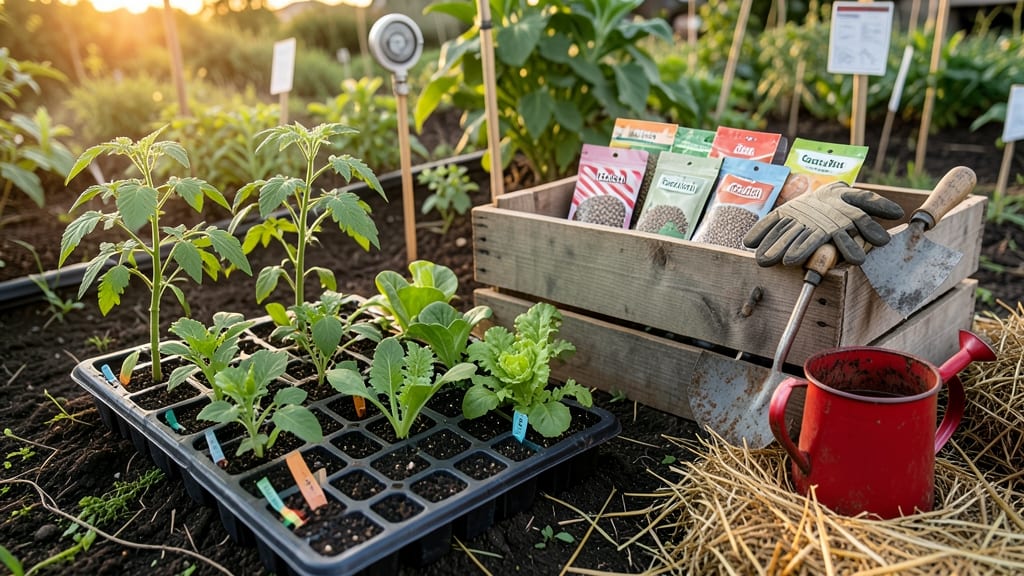
Timing when to plant a vegetable garden in Missouri can feel like playing a high-stakes game of chance—one wrong move, and frost or heat wipes out months of effort.
But with the right schedule, you can beat the odds and enjoy fresh tomatoes in July or crisp lettuce in May, no matter if you're in USDA Zone 5b or 7a.
Missouri’s climate throws curveballs: late spring frosts can sneak in as late as mid-April, while summer heat arrives early in some years. The key? Planting cool-season crops like peas and spinach 4-6 weeks before your last frost, and waiting until soil warms to 60°F for tomatoes and peppers.
Get this wrong, and you’ll be pulling up wilted seedlings instead of harvesting.
Here’s the game-changer: a two-season strategy that works for Missouri gardeners. Spring planting kicks off in mid-March for hardy greens, while fall offers a second chance from mid-July to mid-August for heat-loving crops like okra and sweet potatoes.
I’ll break down exactly when to plant each crop—and how to stretch your harvests with simple tricks.
Ready to turn your Missouri garden into a year-round success? Let’s dive into the perfect planting calendar, frost dates by zone, and the heat-tolerant crops that thrive even when summer hits hard. Your next harvest starts with the right timing.
Missouri frost dates by Zone: the critical timeline for planting cool-season vegetables
Missouri’s USDA Zones 5b-7a create a complex planting puzzle, where a late frost in St. Louis (Zone 6b) can wipe out your spinach seedlings while Kansas City (Zone 6a) enjoys a longer growing window.
Understanding these frost date variations is the key to planting cool-season crops like potatoes, peas, and lettuce at the perfect time.
Most of Missouri experiences its average last frost between mid-April (northern zones) and early April (southern zones). However, first frost dates in fall range from late October (southern Missouri) to mid-October (northern Missouri). These dates dictate when to sow seeds or transplant seedlings for maximum success.
Here’s how to use these frost dates for your cool-season vegetable garden:
| Zone | Avg. Last Frost | Plant Cool-Season Crops | Transplant Seedlings | Avg. First Frost |
|---|---|---|---|---|
| 5b (Northern MO) | Mid-April | Late March | Early May | Late October |
| 6a (Central MO) | Early April | Early April | Mid-April | Mid-October |
| 6b (St. Louis) | Early April | Late March | Early April | Late October |
| 7a (Southern MO) | Late March | Early March | Mid-March | Early November |
For Zone 5b gardeners, start sowing hardy crops like peas and spinach as early as late March, but wait until early May to transplant seedlings like broccoli or cabbage.
In Zone 7a, you can plant cool-season crops as early as early March and enjoy a longer harvest window.
Pro tip: Use row covers to extend your planting window by 2-3 weeks in early spring or late fall. This simple trick can add 30-45 extra frost-free days to your growing season, letting you plant earlier or harvest later.
Missouri’s northern regions (like St. Joseph or Kirksville) often face late spring frosts, so wait until after Mother’s Day to plant heat-sensitive crops like tomatoes or peppers. Meanwhile, southern Missouri (such as Poplar Bluff or Cape Girardeau) can safely plant warm-season crops by mid-March.
Always check your local frost dates using the Missouri Climate Center or Almanac for the most accurate predictions. A 5-day delay in frost can mean the difference between a bountiful harvest and a failed crop.
Remember, soil temperature matters just as much as air temperature. Most cool-season crops thrive when soil temps are between 40°F and 70°F. Use a soil thermometer to confirm readiness before planting.
For Missouri gardeners, mastering these frost dates means longer harvests, healthier plants, and less wasted effort. Start with these zone-specific guidelines, and soon you’ll be enjoying fresh homegrown greens all season long! 🌱
Heat-tolerant crops that thrive in Missouri’s summer: when to plant for maximum yield
Missouri’s summer heat can be brutal for many vegetables, but some crops actually thrive in the 90°F+ temperatures. Knowing which heat-tolerant crops to plant—and when—can mean the difference between a bountiful harvest and a wilted disappointment.
These varieties not only survive the heat but often produce their best flavors and yields when grown in Missouri’s long, hot summers.
For example, okra and sweet potatoes love the heat, while black-eyed peas and Southern peas flourish in Missouri’s USDA Zones 5b-7a. Planting these crops at the right time—typically after Memorial Day—ensures they establish roots before the peak summer heat arrives.
The key is to start seeds or transplants 2-3 weeks after your last frost date, usually by late May to early June.
| CROP | IDEAL PLANTING TIME | HEAT TOLERANCE | HARVEST TIME | COMPANION PLANT |
|---|---|---|---|---|
| Okra | Late May - Early June | Excellent (90°F+) | 70-90 days | Beans, Peppers, Marigolds |
| Sweet Potatoes | Early June | High (thrives in heat) | 90-120 days | Corn, Beans, Radishes |
| Black-Eyed Peas | Mid-May - June | Good (up to 95°F) | 60-90 days | Okra, Eggplant, Basil |
| Southern Peas | Late May - Early June | Very High (drought-tolerant) | 75-100 days | Tomatoes, Cucumbers, Marigolds |
| Eggplant | Late May - June | Moderate (prefers 75-85°F) | 60-85 days | Peppers, Beans, Spinach |
One of my favorite heat-loving crops is okra, which not only handles Missouri’s summer heat but also produces more pods when temperatures rise. To maximize yields, plant okra seeds directly in the garden after the soil reaches 70°F, typically by late May.
Pair it with marigolds to deter pests like aphids, which can become a problem in the heat.
For sweet potatoes, which are actually tropical tubers, start slips (young plants) in early June once the ground is warm. These crops need well-draining soil and full sun to thrive.
If you’re growing them in containers, choose large pots to accommodate their sprawling vines, and mulch heavily to retain moisture during dry spells.
Don’t overlook Southern peas, a staple in Missouri’s heirloom gardens. These peas are drought-resistant and can even improve soil health by fixing nitrogen. Plant them after the last frost, around late May to early June, and watch them thrive in the intense summer sun.
They pair beautifully with tomatoes and cucumbers, creating a self-sustaining microclimate in your garden.
To extend the harvest season, consider succession planting heat-tolerant crops like okra and Southern peas every 2-3 weeks through early July. This ensures a steady supply of fresh produce even as summer transitions into fall.
And remember, water deeply in the morning to prevent fungal issues that thrive in the humidity of Missouri’s summer nights.
With these heat-loving crops in your garden, you’ll enjoy a productive summer harvest even when temperatures soar. Just be sure to monitor soil moisture and provide shade cloth for young plants if a