
Planting
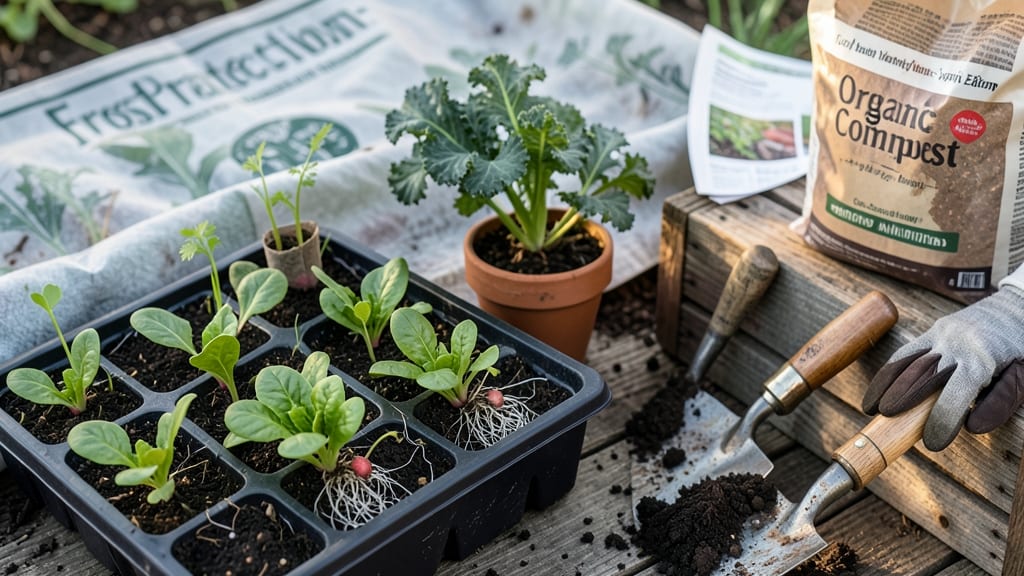
Timing when to plant a vegetable garden in New Brunswick isn’t just about grabbing seeds—it’s about beating the clock before frost steals your harvest.
With USDA Zone 5b’s short growing window, planting too early risks icy setbacks, while waiting too long means missing peak yields for tomatoes, potatoes, or crisp lettuce.
I’ve dug into local frost data and talked to New Brunswick gardeners who’ve mastered the art of aligning their plantings with the region’s 150 frost-free days. The key?
Starting cool-season crops like peas and spinach as soon as soil thaws in mid-April, then shifting to heat-lovers (think basil and peppers) only after the last frost—typically by late May.
But here’s the game-changer: not all of New Brunswick plays by the same rules. Fredericton’s microclimate differs from Saint John’s coastal breezes, and inland areas face different soil-warming speeds. I’ll break down exactly when to plant each crop—and how to adjust for your specific corner of the province.
Ready to turn your Vegetable Garden 🥕 into a year-round harvest? Let’s dive into the USDA Zone 5b planting schedule that’ll keep your crops thriving from June to October.
New Brunswick planting deadlines by crop type (USDA Zone 5B guide)
New Brunswick’s USDA Zone 5B climate means gardeners have just 150 frost-free days to grow vegetables. Missing these windows can mean lost harvests.
I’ve broken down the best planting times for cool-season crops (like spinach and peas), warm-season crops (like tomatoes and peppers), and perennial herbs (like chives and thyme) to help you plan efficiently.
For cool-season vegetables, start seeds indoors in March or direct-sow as early as mid-April after the last frost.
These crops thrive in cooler temperatures and can even handle light frosts. Warm-season crops, however, need to wait until the soil warms to 50°F (10°C), typically late May to early June. Perennial herbs are more flexible but still benefit from early planting.
Use this summary table as your quick reference guide for New Brunswick’s planting deadlines. It includes indoor seed-starting dates, outdoor planting windows, and harvest timelines so you can align your garden with the season’s natural rhythm.
| Crop Type | Indoor Start | Outdoor Plant | Harvest Time | Notes |
|---|---|---|---|---|
| Cool-Season (Spinach, Lettuce, Peas) | March 15 | Mid-April to May 15 | June to August | Tolerates light frost; succession plant every 2 weeks |
| Warm-Season (Tomatoes, Peppers, Cucumbers) | April 1 | Late May to June 15 | July to October | Wait until soil is 50°F+; use row covers for early starts |
| Root Vegetables (Carrots, Potatoes, Beets) | April 1 (indoor) | April 15 to May 30 | June to September | Direct-sow for best results; avoid disturbing roots |
| Perennial Herbs (Thyme, Chives, Sage) | N/A | April 15 to May 15 | Year-round (harvest as needed) | Plant once; regrows annually; full sun preferred |
| Fall Crops (Kale, Spinach, Radishes) | July 15 | August 1 to September 1 | September to October | Sweetened by frost; ideal for late harvests |
If you’re growing potatoes, plant them as early as mid-April—they need 90-120 days to mature, so don’t wait too long. For tomatoes, which are heat-lovers, start seeds indoors by April 1 and transplant after the last frost (mid-May).
I’ve also found that peas and lettuce thrive when planted in early spring or late summer for a fall harvest.
For fall planting, focus on kale, spinach, and radishes after August 1. These crops actually sweeten with frost, making them perfect for late-season gardens. Just be sure to use row covers if a hard frost is forecasted to protect tender leaves.
One pro tip I swear by is succession planting. For example, sow lettuce every 2 weeks from April to July to ensure a continuous harvest. This works especially well for bush beans and radishes, which mature quickly.
Always check your local frost dates—Fredericton and Saint John can vary slightly. For example, Saint John’s coastal climate might have slightly later frost dates than inland areas. Use a soil thermometer to confirm when it’s safe to plant warm-season crops.
Remember, New Brunswick’s short growing season demands precision. By following these deadlines, you’ll avoid the heartbreak of watching your plants wilt from a late frost or missed harvests due to poor timing. Happy planting!
How to adjust planting times for New Brunswick’s microclimates
New Brunswick’s diverse geography means your planting schedule can vary dramatically between regions. Coastal areas like Saint John enjoy milder winters and earlier springs, while inland spots like Fredericton face harsher frost risks. Even within cities, urban heat islands can create 2-3°F warmer microclimates near buildings or pavement.
To fine-tune your schedule, start by checking your local frost-free date—typically April 15 for most of the province, but March 20 in coastal zones. Use a soil thermometer to confirm when temperatures reach 50°F (10°C), the ideal threshold for direct sowing most vegetables.
🌱 Pro Tip: Coastal gardeners can plant spinach and peas 2-3 weeks earlier than inland areas, while highland regions should delay warm-season crops like tomatoes and peppers until mid-May to avoid late frosts.
Urban gardeners should also account for heat reflection from buildings, which can push planting windows 1-2 weeks later for heat-sensitive crops. Always monitor local forecasts and adjust your schedule accordingly.
🌡️ 5 Microclimate Adjustments for New Brunswick
- 🌊 Coastal Areas: Plant leafy greens 2 weeks early (March 1 vs. March 15).
- 🏙️ Urban Heat Islands: Delay tomatoes/peppers until May 15 to avoid bolting.
- 🏔️ Highland Regions: Wait until May 1 for warm-season crops to avoid frost.
- 🌳 Shaded Gardens: Prioritize partial-sun crops (e.g., lettuce, bush beans).
- 🌿 Succession Planting: Stagger radishes and lettuce every 2 weeks for continuous harvests.
For succession planting, use the "50-day rule"—if your crop matures in 50 days, plant a new batch every 2 weeks from April 15 to July 15. This ensures a steady supply of bush beans, radishes, and lettuce even in New Brunswick’s short season.
💡 Bonus Tip: Keep a planting journal to track your local microclimate’s quirks. Note when frost hits unexpectedly or when soil warms faster in your garden spot—this data becomes invaluable for future seasons!