
Planting
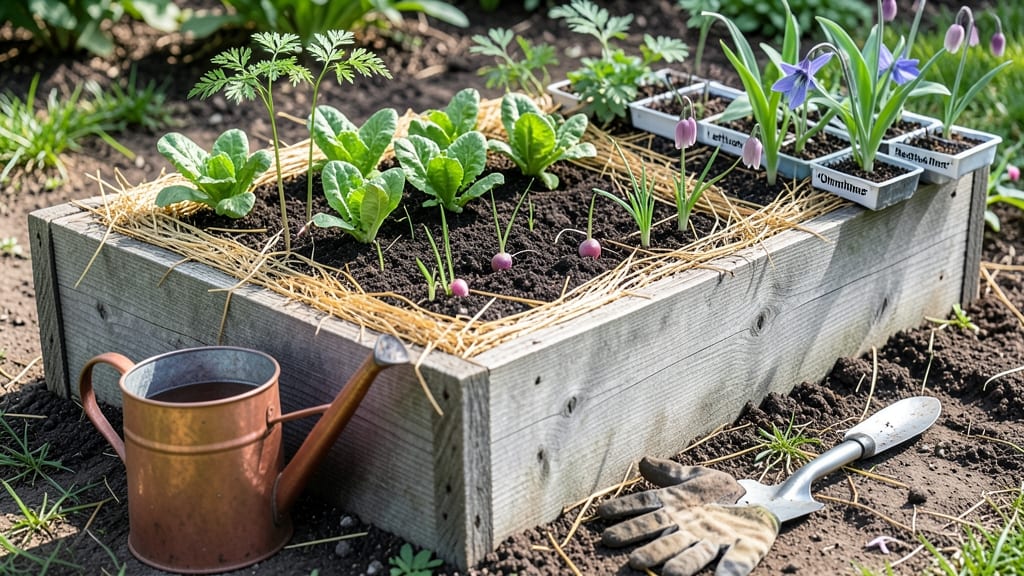
Timing your garden planting in Missouri isn't just about the calendar—it's about dodging those infamous late frosts that can turn your hard work into a sad, wilted mess.
Whether you're dreaming of juicy tomatoes or vibrant flowers, knowing the exact last-frost dates for your region is the secret sauce to a thriving garden.
Missouri's climate varies wildly from the urban heat of St. Louis to the cooler valleys of the Ozarks, making one-size-fits-all advice risky.
I've dug into the data to bring you the real deal: when to plant cool-season crops like spinach and peas, and when to hold off for warm-season favorites like peppers and pumpkins.
You'll discover how to adjust your planting schedule based on microclimates, soil temperatures, and even elevation—because a 5-degree difference can mean the difference between success and failure. Let's get your garden off to the right start, no guesswork required.
From frost-free dates to soil prep tips, I'll walk you through everything you need to know to plant with confidence. Whether you're a first-time gardener or a seasoned pro, these insights will help you grow a garden that's the envy of the neighborhood.
Missouri last-frost dates by region: when to plant cool-season vs warm-season crops
Missouri’s gardening season hinges on last-frost dates, which vary dramatically across the state. In St. Louis (Zone 6a), the average last frost is April 15, while Kansas City (Zone 5b) typically sees its final freeze around April 22.
The Southeast (Zone 7a) can be as early as March 20, and the Northwest (Zone 5a) often waits until May 1—sometimes later. These dates separate cool-season crops (like spinach and peas) from warm-season crops (tomatoes, peppers, and cucumbers), which need soil temperatures above 60°F.
Cool-season crops thrive when planted 4–6 weeks before the last frost, while warm-season crops should wait until 2 weeks after the last frost date. For example, lettuce in St. Louis can go in by March 15, but tomatoes shouldn’t hit the soil until May 1.
Misjudging these timings can leave your garden vulnerable to frost damage or stunted growth. Always check local 10-year frost trends—Missouri’s weather patterns shift unpredictably.
Missouri’s microclimates add another layer of complexity. River valleys (like the Missouri River bottoms) warm faster than hilltops, while urban areas like Columbia can experience heat islands that delay frost. Elevation also plays a role: gardens in the Ozarks (e.g., Branson) may face later frosts than flatland regions.
To navigate this, I recommend using soil thermometers and frost-free date calculators from the Missouri Botanical Garden or University of Missouri Extension.
Here’s a quick reference for cool-season vs warm-season crops and their ideal planting windows across Missouri’s regions:
For cool-season crops, aim to plant hardy varieties like peas and spinach as early as February in the Southeast, but wait until April in the Northwest.
These plants can tolerate light frosts, but lettuce and radishes should be sown 1–2 weeks before the last frost for best results. Warm-season crops, however, demand soil temperatures above 60°F—use a soil thermometer to confirm before planting tomatoes, peppers, or cucumbers.
In Missouri, this often means waiting until late April or early May, depending on your region.
Don’t forget about succession planting! For crops like lettuce or beans, you can make 2–3 plantings throughout the season to ensure a continuous harvest. For example, in St. Louis, you might plant lettuce on March 15, April 1, and May 1 to enjoy fresh greens all summer.
This strategy works especially well for fast-growing crops like radishes or bush beans, which mature in 30–50 days.
Missouri’s late-spring frosts are infamous—even after the average last frost date, a black frost (below 28°F) can still occur in May. To protect your tender seedlings, use row covers or cold frames until the risk passes.
For warm-season crops, consider starting them indoors 6–8 weeks before the last frost and transplanting after the danger has subsided
How to adjust planting times for Missouri’s microclimates and frost quirks
Missouri’s last-frost dates vary wildly across regions—sometimes by weeks—thanks to microclimates like river valleys, urban heat islands, and elevation shifts. For example, St. Louis (Zone 6b) might see its last frost by April 15, while Kansas City (Zone 5b) could still face frost until May 1.
These quirks mean your neighbor’s tomato plants might thrive while yours shiver!
Urban areas like Columbia or Springfield often experience urban heat islands, where pavement and buildings trap warmth—delaying frost by 5–7 days. Meanwhile, river valleys (like the Missouri River bottoms) can stay colder longer due to cold air pooling.
Even a 50-foot elevation gain can shift frost dates by a week!
Here’s how to adjust your planting for these challenges: Monitor local weather stations (like Missouri State Climate Office) for 10-year frost trends, not just averages. Use soil thermometers—plants need 60°F soil for warm-season crops like peppers or cucumbers, but 50°F for cool-season spinach or kale.
⚠️ Late-Spring Frost Risk: Don’t Rush!
Missouri’s "backdoor cold fronts" can drop temps 20°F in 24 hours even in May. If your area has a history of late frosts (check National Weather Service data), wait until May 10–15 for warm-season transplants like tomatoes or eggplants.
Pro tip: Plant fast-maturing varieties (e.g., Early Girl tomatoes) or use row covers to buy time.
For cool-season crops, start seeds 6–8 weeks before your average last frost. In southeast Missouri (Zone 7a), that’s February 15 for lettuce or peas; in northwest Missouri (Zone 5a), wait until March 15. Succession plant every 2 weeks for continuous harvests!
Cold frames or low tunnels can extend your growing season by 4–6 weeks in both spring and fall. For example, in St. Louis, you might harvest spinach until November 15 under protection, while unprotected plants would die by October 15. Just ensure ventilation to avoid fungal diseases from trapped humidity.
Finally, observe your own yard: Note where frost lingers (low spots, north-facing slopes) and where it melts first (south-facing walls, paved areas). Adjust your planting layout to match—place heat-loving crops near warm microclimates and cool-season plants in frost-prone zones. A little strategic planning turns Missouri’s quirks into advantages!