
Plants
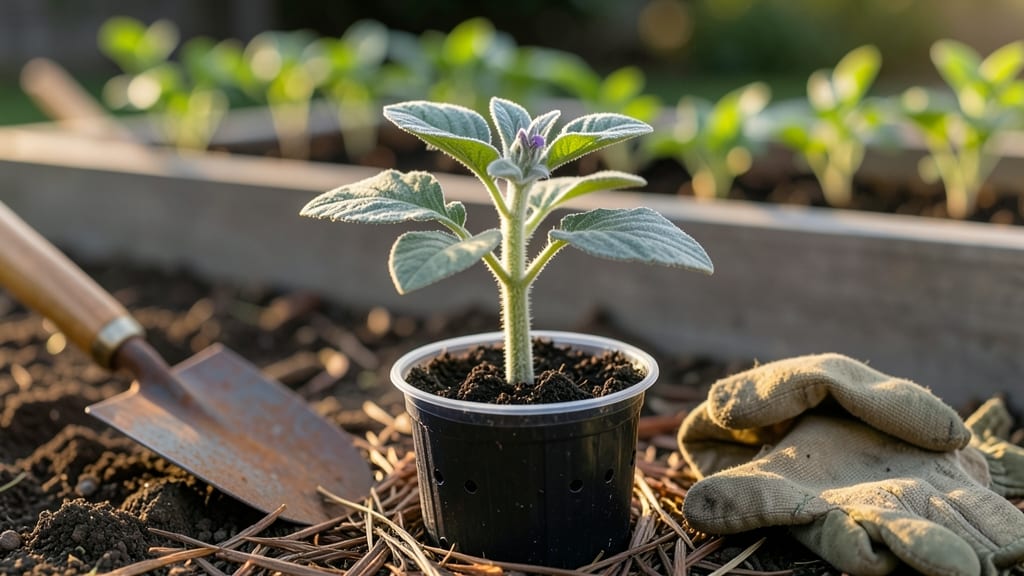
Timing your eggplant 🍆 planting just right in North Carolina could mean the difference between a thriving garden and a sad, frost-nipped disappointment.
The key window—after your last frost, typically between late April and early June—sets the stage for a bumper harvest, but getting it wrong means waiting months or losing your plants entirely.
I’ve learned the hard way that rushing eggplants into cold soil is a recipe for failure, especially in NC’s 7a-8b zones where nights can still dip unexpectedly.
Whether you’re starting seeds indoors or planting directly, soil temperature matters more than the calendar date—aim for at least 70°F to give those tender seedlings the best shot.
What you’ll discover here is how to sync your planting with NC’s microclimates, from the humid Coastal Plain to the cooler Mountain regions. We’ll cover soil prep, spacing tricks, and even how to stretch your harvest into fall with simple adjustments. No more guessing—just science-backed timing for your summer garden.
Ready to grow eggplants that outperform your neighbors’? Let’s dive into the exact steps to plant them at the perfect moment—so you’re harvesting glossy, firm fruit from July through October without a single frost-related setback.
Best planting dates for eggplant in North Carolina by region
North Carolina’s diverse climate means eggplant planting dates vary dramatically from the Coastal Plain to the Mountains. In USDA Zones 7a-8b, timing your plantings right ensures healthy growth and a bountiful harvest before fall frosts arrive.
The key is waiting until after the last frost date, which typically ranges from mid-April in the Coastal region to late May in the Mountains.
For gardeners in Zone 8a (Coastal), you can start planting as early as late April—the warm ocean breezes create a longer growing season. Meanwhile, Zone 7b (Piedmont) gardeners should wait until early May, and Zone 7a (Mountains) should hold off until mid-May to avoid frost damage.
Soil temperature is just as critical as air temperature—eggplants won’t thrive until the soil reaches at least 70°F.
Here’s a quick region-by-region breakdown to help you plan your eggplant schedule:
| Region | USDA Zone | Last Frost Date | Best Planting Window | Soil Temp Requirement |
|---|---|---|---|---|
| Coastal Plain | 8a-8b | Mid-April | Late April - Early May | 70°F+ |
| Piedmont | 7b-8a | Early April | Early May - Mid-May | 70°F+ |
| Mountains | 7a | Mid-May | Mid-May - Early June | 70°F+ |
If you’re eager to get a jumpstart, consider starting seeds indoors 8-10 weeks before your region’s last frost date. Use grow lights or a sunny windowsill to ensure strong seedlings.
Transplant them outdoors once they’ve developed 4-6 true leaves and nighttime temperatures stay above 55°F. Hardening off seedlings for 7-10 days before transplanting helps them adjust to outdoor conditions.
For direct sowing, wait until the soil is consistently warm—use a soil thermometer to check. In Coastal NC, you might even squeeze in a second planting in early July for a fall harvest, but this is risky in cooler zones.
Eggplants are heat-loving plants, so the later you plant, the better they’ll perform in NC’s summer heat.
One pro tip: Use black plastic mulch to raise soil temperatures faster. This method can shave off 1-2 weeks of waiting time, giving your eggplants a head start. Just
Eggplants thrive in well-draining soil with a pH between 6.0-6.8. Amend your garden beds with compost or aged manure before planting to provide essential nutrients. Avoid fresh manure, as it can burn tender roots. A balanced fertilizer (10-10-10) applied at transplanting and again when flowers appear will keep your plants productive.
Remember, eggplants are sensitive to cold, so if an unexpected frost threatens after planting, cover them with frost cloth or row covers. This gives them a fighting chance, though they’re not as resilient as tomatoes or peppers.
With the right timing and care, you’ll be harvesting glossy, deep-purple eggplants from July through October—just in time for your favorite recipes!
🌱
Best planting dates for eggplant in North Carolina by region
North Carolina’s diverse climate means your eggplant planting window varies dramatically—from the humid Coastal Plain to the cooler Mountain regions. Timing isn’t just about avoiding frost; it’s also about soil warmth and humidity levels that eggplants thrive in.
Let’s break down the ideal planting dates for each region to ensure your plants get a strong start.
For USDA Zones 7a-8a (Coastal and Piedmont areas), the last frost typically occurs around mid-March to early April. However, eggplants are heat-lovers, so waiting until mid-April to early May ensures soil temperatures hit the 70°F minimum they crave.
In Zone 8b (southern NC), you can plant as early as late March if your soil warms quickly.
Here’s a quick reference for optimal planting windows across NC’s regions, including soil prep tips:
| Region | USDA Zone | Last Frost | Planting Window | Soil Prep Tip |
|---|---|---|---|---|
| Coastal Plain | 8a-8b | Mid-March | Late March–Early April | Amend sandy soil with compost |
| Piedmont | 7b-8a | Early April | Mid-April–Early May | Use black plastic mulch to warm soil |
| Mountains | 6b-7a | Late April | Late May–Early June | Start seeds indoors 8-10 weeks early |
If you’re in Zone 7a or cooler (like the Appalachian foothills), consider starting eggplant seeds indoors 8-10 weeks before your last frost date. This gives seedlings a head start before transplanting after Memorial Day, when soil temperatures are reliably warm.
For Coastal NC gardeners, you can even squeeze in a fall planting of quick-maturing varieties like ‘Ichiban’ by late July.
Pro tip: Use a soil thermometer to confirm your soil is at least 70°F before planting. Eggplants are sensitive to cold soil, and slow germination is a common frustration. If your soil is still cool, black plastic mulch can raise temperatures by 5-10°F in just days.
Remember, eggplants need 6-8 hours of sunlight daily, so choose a south-facing spot with no afternoon shade. In humid NC summers, proper spacing (18-24 inches apart) improves airflow and reduces fungal diseases like powdery mildew.
🌱