
Planting
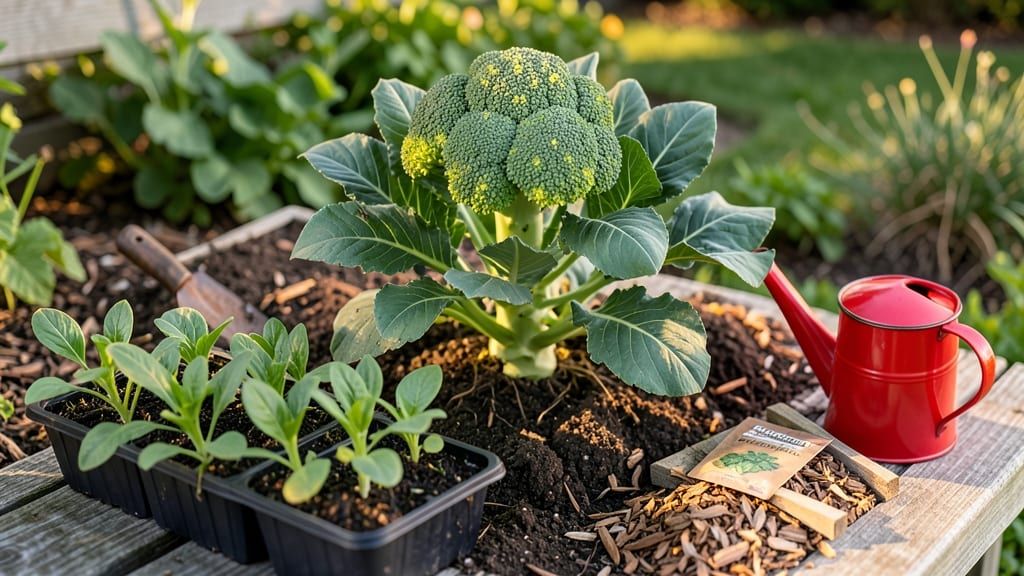
Mastering when to plant a fall garden in Florida isn’t just about avoiding frost—it’s about beating the lingering summer heat while setting up crops for a bountiful harvest.
With Florida’s 8a-10a zones, you’ve got a longer window than most, but planting too early can leave your 🌱 seedlings struggling under 90°F+ temps.
Most gardeners here make the mistake of waiting until September, but the ideal window actually starts in August—when soil temps drop just enough to give heat-sensitive crops like collards and kale a fighting chance.
The key? Choosing varieties bred to handle Florida’s humidity and planting in stages to stretch your harvest through December.
I’ve tested these strategies in my own garden, and the difference between a thriving fall harvest and one that fizzles out by October comes down to two things: heat-tolerant seed selection and precise planting dates.
Let me show you exactly which crops to prioritize and when to get them in the ground for maximum yield.
Whether you’re a first-time gardener or a veteran looking to push your limits, these insights will help you turn Florida’s extended growing season into your biggest harvest yet—without the guesswork. Ready to dig in?
Best months to start a fall garden in Florida’s unique climate zones
Florida’s climate zones—from North Florida’s Zone 8a to South Florida’s Zone 10a—create wildly different conditions for fall gardening. Unlike northern states, Florida rarely faces frost, but late summer heat can still stress young plants.
The key is planting heat-tolerant crops early enough to avoid wilting while maximizing your harvest before winter sets in.
In North Florida (Zones 8a-8b), where cooler temperatures arrive sooner, aim to start warm-season crops like tomatoes and peppers in late July to early August.
Meanwhile, Central Florida (Zones 9a-9b) gardeners have until mid-August to plant before temperatures drop. South Florida (Zones 10a-10b) enjoys a longer window, with ideal planting dates stretching into September.
Timing isn’t just about months—it’s about soil temperatures. Most warm-season crops thrive when soil stays above 70°F. Use a soil thermometer to check before planting; if it’s cooler, opt for heat-tolerant varieties like Malabar spinach or black-eyed peas.
Here’s a quick guide to align your planting with Florida’s zones and avoid common pitfalls like bolting greens or blossom-end rot in tomatoes.
For North Florida, where temperatures dip faster, prioritize fast-maturing varieties like bush beans or okra, which can tolerate brief cool spells. In Central and South Florida, focus on heat-loving crops that thrive in 80°F+ soil, such as sweet potatoes and peanuts.
Pro tip: Succession plant every 2-3 weeks to stagger harvests. For example, sow lettuce in late September for a November harvest before temperatures drop too low. This ensures you’re not overwhelmed with a single harvest all at once.
Don’t overlook soil preparation. Florida’s sandy soils drain too quickly, so amend with 2-3 inches of compost or aged manure before planting. For containers, use a well-draining potting mix with added perlite to prevent root rot in the humid fall months.
If you’re in Zone 8a (North Florida), keep an eye on first frost dates, which can occur as early as mid-January. Plant cool-season crops like kale or broccoli in October to harvest before frost.
In Zones 9b-10a, you can push it later—even November plantings of carrots or radishes often succeed.
Finally, shade cloth is your best friend during Florida’s late summer heatwaves. Use 30-50% shade cloth over seedlings to reduce stress while they establish. Remove it once plants are 2-3 inches tall to encourage stronger stems.
By aligning your planting with Florida’s zones and heat tolerance, you’ll avoid the wilting disappointment and enjoy a bountiful fall harvest—no matter where you garden in the Sunshine State. 🌱
Heat-tolerant fall vegetables that thrive in Florida’s late summer
Florida’s late summer heat doesn’t have to ruin your fall garden—it just means choosing the right crops. Unlike northern gardens, where cool-season veggies dominate, Florida’s 8a-10a zones let you grow heat-loving varieties that produce well into October and beyond.
My top picks? Okra, sweet potatoes, black-eyed peas, and Malabar spinach—all of which handle 90°F+ temps like champions.
These crops aren’t just heat-tolerant—they thrive in Florida’s humidity and sandy soil. For example, okra grows faster in warm soil, while sweet potatoes actually need heat to develop their signature sweetness. Even leafy greens like Malabar spinach stay crisp under Florida’s sun, unlike traditional lettuce, which bolts by September.
Here’s the breakdown of what to plant and when to maximize your harvest before cooler weather sets in:
🌱 Top Heat-Tolerant Fall Crops for Florida
Okra
- ✅ Pros: Fast-growing, loves heat, high yield
- ✅ Plant: July–August
- ✅ Harvest: 50–60 days
🌡️ Heat Tip: Plant after soil temps hit 75°F+ for best germination.
Sweet Potatoes
- ✅ Pros: Sweetens in heat, drought-tolerant
- ✅ Plant: June–July
- ✅ Harvest: 90–120 days
🌱 Soil Tip: Loosen soil deeply—roots need 12+ inches of space.
Black-Eyed Peas
- ✅ Pros: Nitrogen-fixing, pest-resistant
- ✅ Plant: August–September
- ✅ Harvest: 60–70 days
💧 Water Tip: Keep soil consistently moist during pod formation.
Malabar Spinach
- ✅ Pros: Heat-loving green, perpetual harvest
- ✅ Plant: July–September
- ✅ Harvest: 60–90 days
☀️ Sun Tip: Prefers partial shade in South Florida to avoid bolting.
Don’t overlook warm-season staples like tomatoes and peppers, either. While they’re often planted in spring, a late-July start gives you a second flush of fruit before cooler weather slows them down. Just choose heat-tolerant varieties like ‘Celebrity’ tomatoes or ‘Jalapeño M’ peppers—they handle Florida’s humidity better than standard types.
Pro tip: If you’re in North Florida (Zone 8a), where temps dip faster, focus on okra, sweet potatoes, and black-eyed peas for a longer harvest window.
In South Florida (Zones 9b-10a), you can even squeeze in winter greens like Swiss chard in November—they’ll tolerate light frosts and keep producing until spring.
Remember, the key to a successful Florida fall garden isn’t just heat tolerance—it’s succession planting. Start your fastest-maturing crops (like okra) in July, then follow with longer-season varieties (like sweet potatoes) in August. This way, you’ll have a continuous harvest from September through December—without gaps.