
Plants
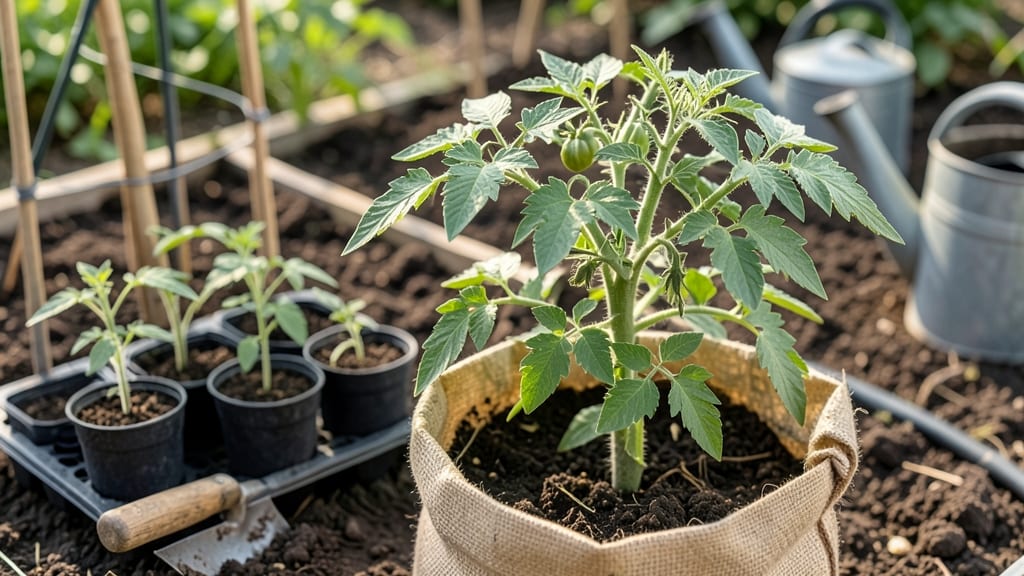
Timing when should you plant tomatoes in Ohio isn't just about waiting for spring—it's about avoiding frost damage while maximizing your harvest. With Ohio's 6a zone climate, getting the window right means the difference between thriving plants and wilted seedlings.
Most gardeners in Ohio wait until after the last frost date, typically late April to early May, when soil temperatures hit 60°F. But what if you're in Columbus versus rural Appalachia? The answer varies, and I'll show you exactly how to adjust your strategy for your specific microclimate.
You'll discover the exact frost-free timelines for your area, plus how to extend your growing season with simple techniques. Whether you're a first-time gardener or a seasoned pro, these insights will help you grow tomatoes that are sweeter, juicier, and more abundant than ever.
Let's dive into the science behind Ohio's planting windows and how you can use it to transform your garden this year. The key to success starts with knowing when—and how—to plant your tomatoes.
Ohio tomato planting dates by hardiness zone: exact frost-free timeline
Ohio spans USDA hardiness zones 5-9, meaning frost dates vary dramatically from northern Cleveland to southern Cincinnati. For northern Ohio (zones 5-6), aim for late May planting after the last frost, while southern Ohio (zones 7-9) can start as early as mid-April.
The key rule: Wait until soil temperatures hit 60°F+—cold soil stunts root growth.
Tomatoes thrive with 165 frost-free days in Ohio, but your exact window depends on microclimates. Urban areas like Columbus often warm faster than rural zones, while Toledo’s lake-effect cooling can delay planting by weeks.
Check Ohio State University’s frost-date map for your county’s average last frost (typically mid-April to early May).
Here’s how to align your planting with Ohio’s zone-specific frost-free timelines, including heat-tolerant varieties for southern regions:
| Zone | Last Frost Date | Planting Window | Soil Temp | Heat-Tolerant Varieties |
|---|---|---|---|---|
| 5 (Northern OH) | May 15–20 | Late May–early June | 60°F+ | ‘Early Girl’, ‘Stupice’ |
| 6 (Central OH) | April 25–May 5 | Late April–early May | 60°F+ | ‘Better Boy’, ‘Celebrity’ |
| 7 (Southern OH) | April 10–15 | Mid-April–late April | 55°F+ (earlier) | ‘Solar Fire’, ‘Heatmaster’ |
| 8–9 (Far SW OH) | March 20–April 5 | Late March–early April | 50°F+ (with covers) | ‘Arkansas Traveler’, ‘Cherokee Purple’ |
For northern Ohio gardeners, use row covers or cold frames to plant 4–6 weeks earlier than the frost-free date. Southern Ohio growers can experiment with early succession plantings in June for a fall harvest, using heat-resistant varieties like ‘Heatmaster’ or ‘Solar Fire’.
Pro tip: Black plastic mulch warms soil by 10–15°F, letting you plant 1–2 weeks earlier in cooler zones. Lay it down 2–3 weeks before transplanting for maximum effect. Pair this with drip irrigation to maintain consistent moisture—Ohio’s unpredictable spring rains can lead to blossom-end rot if soil dries unevenly.
If you’re in zone 5 or 6, consider starter plants from a greenhouse (hardened off by April 15) to jumpstart growth. These mature faster than seeds and give you a 2–3 week head start on the season.
For zone 7+, you can even direct-sow seeds in early March under cloches for an extended harvest.
Watch for false springs—Ohio’s late April warm spells often drop back to freezing by May. Use a minimum-maximum thermometer to track nighttime lows; tomatoes can’t handle temps below 50°F. If frost threatens after planting, cover seedlings with frost cloth or a lightweight blanket secured with bricks.
For container gardening, plant 1–2 weeks later than in-ground tomatoes—pots cool faster and are more vulnerable to frost. Choose determinate varieties like ‘Roma’ or ‘Patio’ for smaller spaces, as they mature faster in limited soil volumes.
Place containers near south-facing walls to absorb daytime heat and extend the growing season.
Remember: Tomatoes need 60–90 days to mature, so align your planting with your first frost date (typically mid-October). In zone 9, you might squeeze in two plantings: one in April and another in June for a fall
How to adjust planting time for Ohio’s microclimates: urban vs rural tips
Ohio’s urban heat islands in cities like Columbus and Cincinnati can push planting dates 1-2 weeks earlier than rural areas. Meanwhile, Appalachian regions often face later frosts, requiring delayed starts. Understanding these microclimates is key to maximizing your tomato harvest.
In urban areas, pavement and buildings trap heat, creating warmer microclimates that let you plant tomatoes 2-3 weeks earlier than official frost dates suggest. For example, Columbus’s downtown gardens often see soil hit 60°F by late March, while suburbs may wait until early April.
Rural areas, especially in northeastern Ohio, can experience late spring frosts well into May. If you’re in Zone 5b or 6a, wait until May 10-15 to plant outdoors, or use row covers to extend your window.
🌱 Ohio Microclimate Planting Guide
| Location Type | Average Last Frost | Recommended Planting Window | Adjustment Tip |
|---|---|---|---|
| Urban (Columbus, Cincinnati) | Late March - Early April | Late March (under cover) - Early April | Use black plastic mulch to warm soil faster. |
| Suburban (Dayton, Akron) | Mid-April | Early to Mid-April | Plant heat-loving varieties like 'Solar Fire'. |
| Rural (Appalachian Ohio) | Late April - Early May | Mid-May | Start seeds indoors 6-8 weeks before last frost. |
For late starters, consider cold frames or row covers to create a 5-10°F warmer environment. These can push your planting date 3-4 weeks earlier in risky areas. Just remove covers when flowers appear to prevent heat stress.
In Toledo and northwestern Ohio, where Zone 5b dominates, aim for May 1-15 planting. If you’re in a frost pocket, wait until May 20 or use transplanting trays to harden off seedlings faster.
Pro tip: Check Ohio State University Extension’s frost-free date maps annually, as climate shifts can alter traditional timelines. With these adjustments, you’ll avoid frost damage while maximizing your Ohio tomato harvest! 🌱