
Plants
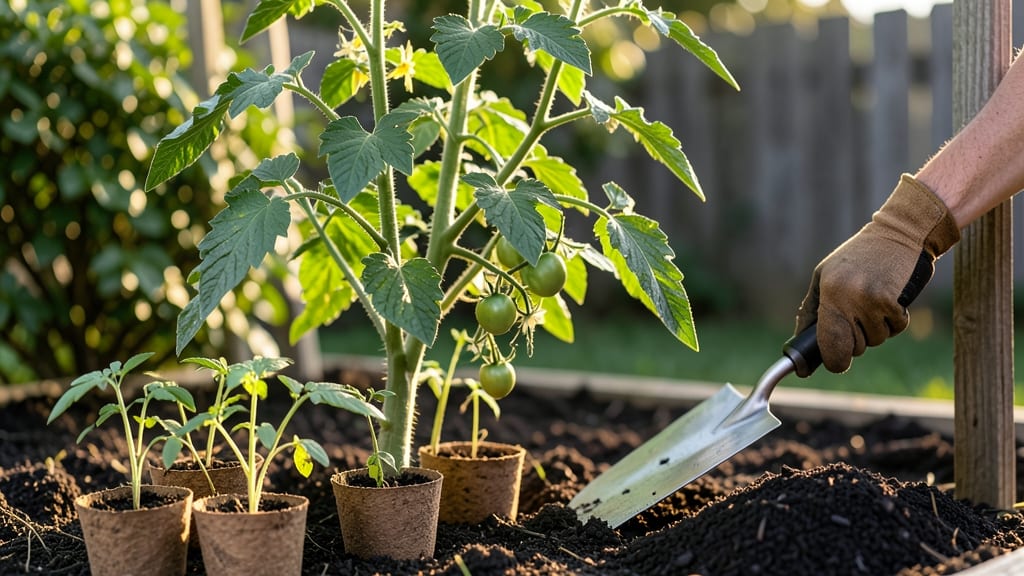
If you’ve ever wondered when to plant tomatoes in Ohio, the answer isn’t just about frost dates—it’s about soil warmth, county microclimates, and knowing the difference between a 50°F morning and a 60°F afternoon.
Plant too early, and your seedlings will languish; too late, and you’ll miss the sweet summer harvest.
Ohio’s diverse USDA zones—from 5 in the north to 7 in the south—mean the perfect window shifts by 2-3 weeks depending on where you garden.
Whether you’re in Cincinnati or Cleveland, timing your 🍅 plantings for soil that’s reliably warm (not just frost-free) is the key to avoiding stunted growth or bolting.
I’ll break down the exact weeks to start seeds indoors vs. direct-sow outdoors, plus how to use row covers or black plastic mulch to jumpstart your season in colder zones. No more guessing—just data-driven dates tailored to Ohio’s quirks.
Ready to grow bigger, healthier tomatoes? Let’s dive into the schedule that’ll have you harvesting juicy 🍅 all summer long—without the trial and error.
Ohio tomato planting schedule by county: frost dates vs. soil warmth
Ohio’s diverse climate zones mean your tomato planting window could differ by weeks depending on where you live. Northern counties like Ashtabula (Zone 5) face later last-frost dates than southern areas like Hamilton (Zone 6-7).
But here’s the catch: soil temperature is just as critical as frost dates—50°F+ for germination, 60°F+ for transplanting.
Most Ohio gardeners start indoor seedlings in early March, but direct sowing outdoors depends on your county’s microclimate. For example, Cincinnati’s last frost averages April 15, while Toledo’s is around April 22. But if your soil stays cold, even after frost, seedlings will rot.
Below is your county-by-county guide to planting tomatoes in Ohio, balancing frost dates with soil warmth. Use this to adjust your schedule—whether you’re in Zone 5 (north) or Zone 7 (south).
🌱
| Region | Counties | Avg. Last Frost | Soil Warmth Ready | Direct Sow Start | Transplant Ready |
|---|---|---|---|---|---|
| Northern Ohio (Zone 5) | Ashtabula, Geauga, Lorain | April 25–May 5 | May 10–15 (50°F+) | May 20–25 | After May 25 (60°F+ soil) |
| Cuyahoga, Medina, Summit | April 20–25 | May 5–10 (50°F+) | May 15–20 | After May 20 (60°F+ soil) | |
| Columbus, Delaware, Franklin | April 15–20 | May 1–5 (50°F+) | May 10–15 | After May 15 (60°F+ soil) | |
| Southern Ohio (Zone 6-7) | Hamilton, Clermont, Butler | April 10–15 | April 25–May 1 (50°F+) | May 5–10 | After May 10 (60°F+ soil) |
| Cincinnati, Warren, Greene | April 5–10 | April 20–25 (50°F+) | May 1–5 | After May 5 (60°F+ soil) | |
| Lawrence, Scioto, Jackson | March 25–April 5 | April 15–20 (50°F+) | April 25–May 1 | After April 25 (60°F+ soil) |
Note: Use a soil thermometer to confirm readiness—60°F+ at 4" depth is ideal for transplanting.
For northern Ohio, aim to transplant tomato seedlings by late May—even if frost risk lingers. In southern Ohio, you can start as early as mid-April, but soil warmth is non-negotiable. Pro tip: Black plastic mulch warms soil faster, letting you plant 1–2 weeks earlier.
If you’re in a transition zone (like Franklin County), err on the side of caution. Early-maturing varieties (like ‘Early Girl’ or ‘Stupice’) give you a buffer if summer cools down.
For heirloom varieties (like ‘Brandywine’), wait until after June 1 in northern Ohio to avoid blossom-end rot from temperature swings.
🌡️
Don’t rely solely on frost dates—soil temperature is the real game-changer. Test your soil with a thermometer every morning for a week before planting.
If it’s below 60°F, delay even if frost risk is past. Cold soil stunts roots and invites damping-off disease, which can wipe out seedlings in days.
For container gardening in Ohio, start 4–6 weeks earlier than in-ground planting. Pots warm up faster, but move them to a sunny, sheltered spot during the day and bring them in at night until soil is consistently warm. Self-watering containers help maintain moisture levels without overheating roots.
🪴
Use this schedule as a starting point, but adjust for
How to time tomato planting for maximum yield in Ohio’s climate
Timing your tomato plantings isn’t just about avoiding frost—it’s about soil warmth and Ohio’s unpredictable spring. Even if the air is frost-free, cold soil below 50°F will delay germination or cause leggy seedlings.
My rule? Wait until soil hits 60°F+ for direct sowing or transplanting—this ensures roots establish quickly and plants bolt less.
For northern Ohio (USDA zones 5-6), start seeds indoors 6-8 weeks before your last frost date—typically mid-March to early April. Southern Ohio gardeners (zones 6-7) can direct-sow as early as late April to early May, but always check soil temps first.
Pro tip: Use a soil thermometer—it’s the only way to know for sure.
Here’s how to adjust your schedule for Ohio’s climate quirks, including row cover tricks and fast-maturing varieties that thrive in shorter seasons.
🌱 Ohio Tomato Planting Timeline
- 6-8 weeks before last frost: Start seeds indoors under grow lights (use 70°F heat mat for faster germination).
- 2-3 weeks before last frost: Harden off seedlings (acclimate to outdoor temps) if transplanting.
- After soil reaches 60°F+: Direct-sow seeds outdoors (or transplant seedlings) in full sun locations.
- Use row covers: Extend the season by 2-3 weeks in northern Ohio—remove covers when flowers appear to prevent heat stress.
- Choose fast varieties: For zones 5-6, pick 60-70 day tomatoes like 'Early Girl' or 'Stupice' to beat early fall frosts.
- Mulch heavily: Black plastic or straw mulch warms soil faster and retains moisture—critical for Ohio’s dry spells.
Ohio’s variable spring weather can throw off even the best-laid plans. If your soil stays cold past your target date, don’t rush—waiting a week for warmer temps prevents damping off and ensures stronger plants.
I’ve seen seedlings planted too early in May wilt when a late frost hits, only to recover if replanted after Memorial Day.
For container growers, black pots absorb heat faster than traditional plastic, giving you a 1-2 week head start on soil warming. Pair this with a self-watering system to avoid stress during Ohio’s unpredictable rain patterns.
And remember: Morning watering (before 9 AM) prevents fungal diseases like early blight, which thrives in Ohio’s humid summers.
By aligning your planting with soil warmth, not just frost dates, you’ll avoid the most common Ohio tomato mistakes—and enjoy a harvest that lasts from July through September, even in cooler zones. The key? Patience and preparation—two traits every Ohio gardener needs! 🌱