
Plants
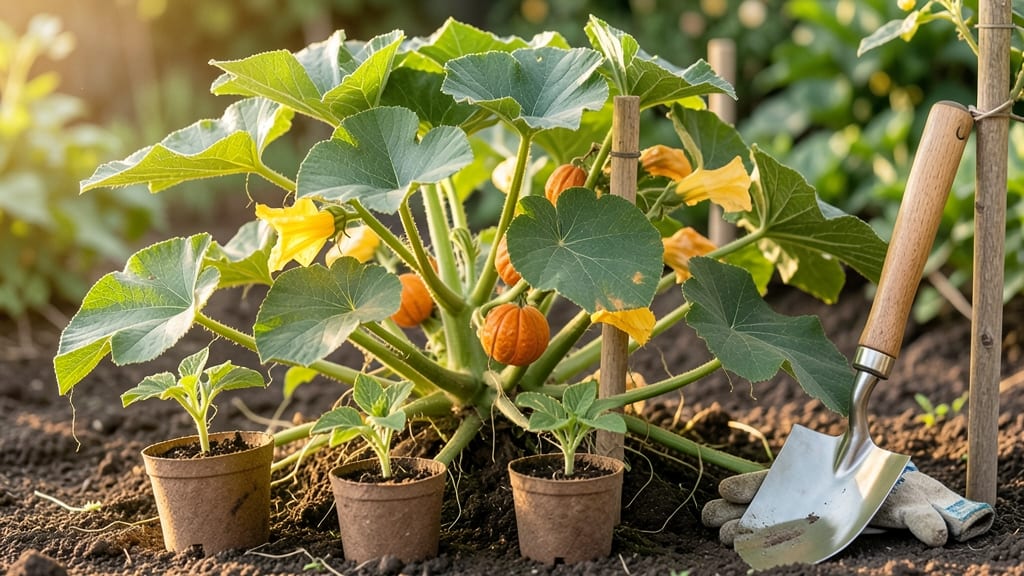
Timing your pumpkin 🎃 planting in Indiana can make or break your harvest—get it wrong, and you might end up with wilted vines or underripe fruit before the first frost.
The key lies in understanding your zone's unique climate patterns, especially in Zone 6a, where a single late frost or early chill can derail your entire season.
Most gardeners in Indiana wait until mid-April to early June to plant pumpkins, but the exact timing depends on soil temperature and your last frost date.
Planting too early risks frost damage, while waiting too long cuts your growing season short—both mistakes can leave you scrambling to salvage a harvest by October.
In this guide, I’ll break down the ideal planting windows for popular varieties like 'Howden' and 'Jack Be Little,' plus pro tips for transplanting seedlings or direct sowing. You’ll also learn how to adjust for regional differences between northern and southern Indiana counties.
Whether you're a first-time grower or a seasoned gardener, these strategies will help you maximize your yield and avoid the most common pitfalls that turn pumpkin dreams into pumpkin disasters.
Indiana pumpkin planting calendar: exact dates by Zone 5-6 varieties
Indiana’s Zone 5-6 climate means pumpkin planting isn’t just about dates—it’s about soil temperature and last frost averages. Northern Indiana (Zone 5) has a shorter window than southern counties (Zone 6), so timing matters.
Most gardeners aim for mid-April to early June, but let’s break it down by variety and region for foolproof results.
For northern Indiana (Zone 5), where frost lingers until April 15, wait until after May 1 to plant. Southern Indiana (Zone 6) can start as early as mid-April if soil warms to 60°F. Use a soil thermometer—this is your #1 rule for success.
Popular varieties like ‘Howden’ (75 days) or ‘Jack Be Little’ (85 days) need precise timing. Plant too early, and cold soil stalls germination. Too late, and you’ll miss the 90-day harvest window before frost. Let’s map out your exact planting window:
| Variety | Days to Maturity | Zone 5 Planting Window | Zone 6 Planting Window | Soil Temp Threshold |
|---|---|---|---|---|
| Howden | 75 days | May 1–15 | April 15–May 1 | 60°F+ |
| Jack Be Little | 85 days | April 25–May 10 | April 1–15 | 60°F+ |
| Cinderella | 100 days | April 15–30 | March 25–April 15 | 65°F+ |
| Small Sugar | 80 days | May 1–10 | April 10–25 | 60°F+ |
🌱 Pro Tip: Use black plastic mulch to warm soil faster in Zone 5.
If you’re in northern Indiana (e.g., Fort Wayne, Gary), stick to short-season varieties like ‘Howden’ or ‘Small Sugar’. Southern Indiana (e.g., Louisville, Evansville) can handle longer varieties like ‘Cinderella’ with a 2-week head start. Always adjust for microclimates—south-facing slopes warm faster than shaded areas.
For a second planting, try ‘Jack Be Little’ in late May—it matures in time for Halloween. Just ensure you have 90 frost-free days left. Use Indiana’s Frost-Free Date Calculator (available from Purdue Extension) to double-check your county’s averages.
Indoor starts are another trick for Zone 5 gardeners. Sow seeds in biodegradable pots 4–6 weeks before your last frost date, then transplant seedlings after soil warms. This gives vines a 2-week jump on the season.
Remember: Pumpkins need warmth. If nights dip below 50°F, use row covers to protect young plants. This extends your planting window by 10–14 days in early spring.
Now that you’ve got your planting dates locked in, let’s tackle the 5 critical factors that turn good pumpkin patches into great ones—soil prep, spacing, and more. Stay tuned!
Indiana pumpkin planting calendar: exact dates by Zone 5-6 varieties
Indiana’s Zone 5-6 climate means your pumpkin 🎃 planting window is tight—just 165 frost-free days to grow from seed to harvest. The best time to plant depends on your variety and whether you’re starting seeds indoors or sowing directly.
For most Indiana counties, aim for mid-April to early June, but adjust based on your last frost date and soil temperature.
Northern Indiana (Zone 5) typically has a later last frost (around May 1), while southern Indiana (Zone 6) can plant as early as mid-April. Use these guidelines to align your planting with your local microclimate.
For example, 'Jack Be Little' (a fast-maturing variety) can handle a shorter season, while 'Cinderella' needs the full 90-100 days to mature.
Here’s a breakdown of the ideal planting windows for popular varieties, including soil temperature thresholds and frost-free adjustments:
For a head start, sow seeds indoors 4-6 weeks before your last frost date. Use biodegradable pots to avoid transplant shock when moving seedlings outdoors. Harden them off for 7-10 days before transplanting after the last frost.
If you’re direct sowing, wait until the soil reaches at least 60°F—colder soil can stunt germination. Use a soil thermometer to monitor temperature, especially in northern Indiana where cooler springs delay planting. Plant seeds 1 inch deep in hills, spacing them 4-6 feet apart to accommodate sprawling vines.
Pro tip: Use black plastic mulch to warm the soil faster and extend your planting window by 1-2 weeks. This is especially useful in Zone 5 areas where the growing season is shorter. Just remove the mulch once vines start spreading to prevent overheating.