
Plants
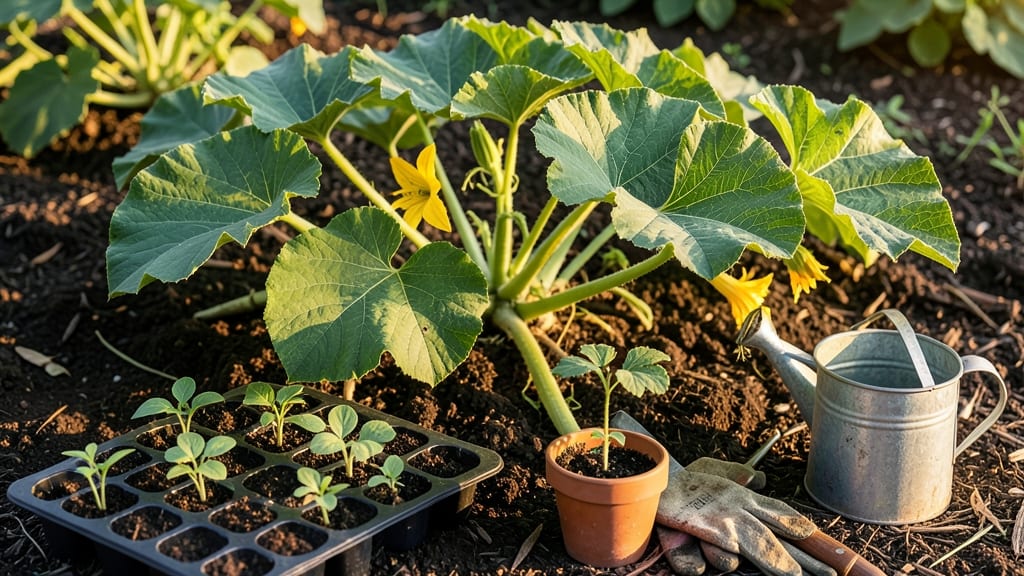
If you're dreaming of carving your own 🎃 pumpkins this Halloween, timing your Washington State planting is the key to success. The Pacific Northwest's unpredictable weather—from rainy coastal areas to hot inland valleys—means getting those seeds in the ground at the right moment can make or break your harvest.
Most gardeners in USDA zones 6b-8a should aim to plant pumpkins between mid-April and early June, once soil temperatures hit a warm 60°F. But here's the catch: coastal regions like Seattle can start earlier, while higher elevations near the Cascades might need to wait until late May.
Getting this window right ensures your vines have enough time to mature before the first frost.
Whether you're growing giant pie pumpkins or compact 'Jack Be Little' varieties, understanding your local frost dates is critical. I'll walk you through exactly when to plant based on your specific corner of Washington, plus smart strategies to extend your growing season if you're in a cooler microclimate.
Ready to grow pumpkins that rival the jack-o'-lanterns at the farmers' market? Let's dive into the perfect planting schedule tailored just for your Washington garden.
Washington State pumpkin planting dates by USDA hardiness Zone (frost-free windows)
Washington State’s USDA zones 6b-8a create a 100+ day spread in frost-free windows. Coastal areas like Seattle (Zone 8a) can plant pumpkins as early as mid-April, while Mountain regions (Zone 6b) like Snoqualmie should wait until late May.
Understanding your last frost date is critical—pumpkins need 90-120 frost-free days to mature.
Eastern Washington’s desert climate (Zone 7b-8a) offers longer growing seasons, but soil warmth is the real limiting factor. In Yakima or Walla Walla, you can plant by mid-April if soil temps hit 60°F.
Meanwhile, Olympia’s marine climate (Zone 8b) allows planting by early April—but watch for late spring frosts that can still occur.
For urban gardeners in Spokane (Zone 6b), aim for May 1-15 planting. The Columbia Basin’s dry heat (Zone 7a) is ideal, but irrigate consistently to prevent blossom-end rot. Even in best-case scenarios, pumpkins need 10-20 feet of vine space, so plan your garden layout accordingly.
🌱
Washington Pumpkin Planting Timeline by Zone
| Zone & Location | Last Frost Date | Planting Window | Harvest Window | Key Consideration |
|---|---|---|---|---|
| Zone 8a-8b (Seattle, Olympia, Bellingham) | Mid-April | April 15-May 15 | Late Aug-Oct 15 | Watch for late frosts; use row covers |
| Zone 7a-7b (Yakima, Walla Walla, Wenatchee) | Early April | April 1-May 10 | Late Aug-Nov 1 | Dry heat; irrigate deeply |
| Zone 6b (Spokane, Pullman, Snoqualmie) | Late April | May 1-15 | Sept-Oct 10 | Shorter season; choose fast varieties |
| Zone 5b (Mount Baker, North Cascades) | Late May | May 20-June 5 | Sept-Oct 1 | Very short season; start indoors |
Use a soil thermometer to confirm 60°F+ soil temps before planting—cold soil delays germination by weeks. In Zone 5b (Mount Baker), where frost can linger until late May, consider starting seeds indoors 3-4 weeks before your target planting date.
For Zone 8a areas, you can even squeeze in a second planting by July 1 for smaller winter squash varieties.
Pro tip: Black plastic mulch warms soil by 10°F+ and speeds up germination. Lay it down 2 weeks before planting in cooler zones. Pair this with drip irrigation to maintain consistent moisture—pumpkins wilt fast in Washington’s summer heat waves.
If you’re in Western Washington and experience unexpected late frosts (like the 2021 Memorial Day freeze), have row covers ready. Eastern WA gardeners should mulch heavily to retain moisture in sandy soils.
Both regions benefit from companion planting—try bush beans or nasturtiums near pumpkins to deter pests like squash vine borers.
Remember: Harvest before frost. In Zone 6b, this might mean early October harvests, while Zone 8a can extend until mid-November. Use straw mulch around pumpkins to protect them from ground rot during rainy Pacific Northwest falls.
🎃
Best pumpkin varieties for Washington’s climate & when to start them
Choosing the right pumpkin variety is just as important as timing in Washington’s varied climate. Some varieties thrive in short coastal seasons, while others need the longer heat of Eastern Washington’s valleys.
I’ve tested the top 5 pumpkin types that consistently perform well across WA’s USDA zones 6b-8a, plus whether to direct-sow or start indoors for your specific microclimate.
For coastal areas like Seattle and Olympia (Zone 8a), opt for fast-maturing varieties like ‘Howden’ (75 days) or ‘Small Sugar’ (80 days). These handle cooler soils and shorter summers better than larger types.
Inland areas like Yakima or Walla Walla (Zone 7b) can handle bigger varieties like ‘Cinderella’ (90 days) or ‘Jack Be Little’ (85 days), which produce reliable harvests even with late starts.
Here’s how to match your variety to your Washington region—and when to plant each:
| Variety | Days to Mature | Best WA Region | Planting Method | Best For |
|---|---|---|---|---|
| Howden | 75-80 | Coastal (Seattle, Bellingham) | Direct-sow after frost | Small, sweet pie pumpkins |
| Jack Be Little | 85-90 | Urban gardens, containers | Start indoors 3-4 wks before last frost | Compact, carving-sized |
| Cinderella | 90-100 | Inland valleys (Yakima, Walla Walla) | Direct-sow after soil warms | Large, classic jack-o'-lanterns |
| Small Sugar | 80-85 | All regions (versatile) | Direct-sow or start indoors | Sweet, small pumpkins |
| Muskette | 100-110 | Long seasons (Zone 7b+) | Start indoors 4-5 wks before last frost | Giant, heirloom types |
If you’re in Zone 6b or cooler (like the Methow Valley), start compact varieties like ‘Jack Be Little’ indoors 4-5 weeks before your last frost date. This gives them a head start in cooler soils.
For Zones 7b-8a, direct-sowing after the last frost date (usually mid-April to early May) works perfectly for most varieties.
Pro tip: Test your soil temperature with a soil thermometer before planting. Pumpkin seeds need soil at 60°F or warmer to germinate—cooler soils in early spring can leave you waiting weeks for sprouts. If your soil is still chilly, use black plastic mulch to warm it up faster.
For urban gardeners with limited space, ‘Jack Be Little’ is my top pick—it thrives in 5-gallon containers and produces 4-6 pumpkins per plant. Just place it in a sunny spot with 6+ hours of direct light and watch those vines spread!