
Plants
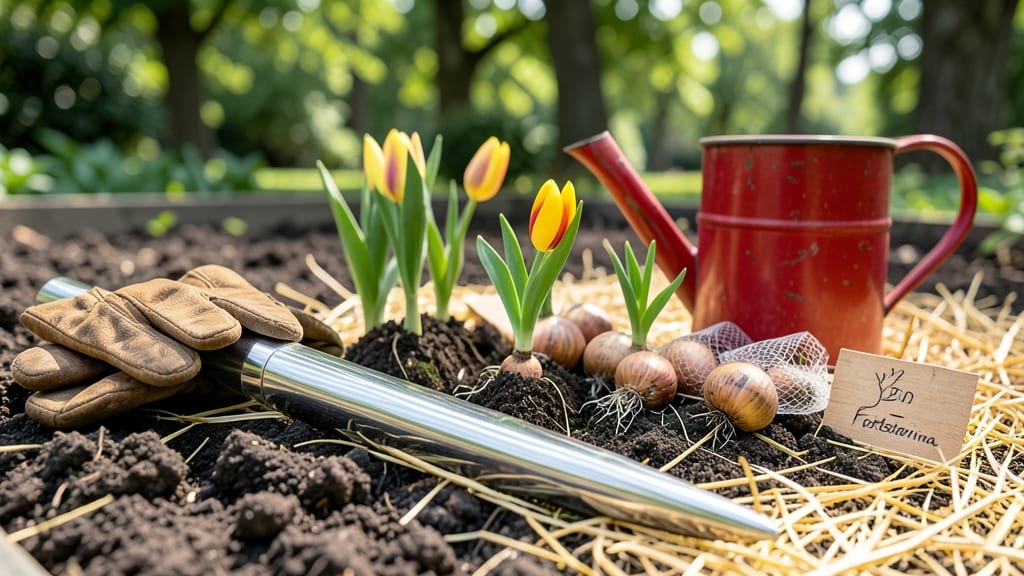
Timing is everything when it comes to planting bulbs in Minnesota—get it wrong, and you could end up with frost-bitten blooms or weak growth. Whether you're dreaming of spring tulips or hardy fall crocuses, knowing the perfect window makes all the difference in your garden's success.
Minnesota's USDA Zones 3-5 mean you're working with a shorter growing season, so planning ahead is key. The ideal time to plant most bulbs is between September and October, giving them time to root before winter sets in. But don't worry—spring planting is also an option for certain varieties!
I'll break down exactly when to plant in your area, which bulbs thrive best in Minnesota's climate, and how to prepare your soil for maximum blooms. With these tips, you'll be well on your way to a vibrant garden that pops with color year after year.
Let's dive into the best strategies for fall and spring planting so you can enjoy stunning 🌷 bulbs without the guesswork. You'll learn how to time your planting perfectly, avoid common mistakes, and even extend your blooming season for longer enjoyment.
Best fall planting times for Minnesota bulbs (zone 4 guide)
Fall is the ideal time to plant most bulbs in Minnesota’s Zone 4, giving them time to root before winter. The 6-8 week window before hard frost (typically mid-September to mid-October) is critical for success.
Planting too early can lead to premature growth, while waiting too long risks frost damage before roots establish.
Minnesota’s USDA Zones 3-5 mean your exact timing may shift slightly between northern and southern regions. For example, northern MN (Zone 3) should plant by early October, while southern MN (Zone 4-5) can extend into November.
Always check your local last frost date—aim to plant when soil temps drop to 60°F.
Popular fall-planted bulbs like tulips, daffodils, and crocuses thrive in Minnesota’s climate. These hardy varieties store energy over winter and burst into color in spring. Daffodils are especially reliable, often blooming even through light snow. Tulips prefer cooler climates and benefit from a chilling period to prevent early sprouting.
Soil preparation is key—amend your garden bed with compost or well-rotted manure to improve drainage. Bulbs rot in soggy soil, so avoid low spots where water pools. A light layer of mulch (2-3 inches) after planting helps insulate roots and retain moisture during winter’s freeze-thaw cycles.
Here’s a quick reference for Minnesota’s fall bulb planting by region and bulb type:
| Bulb Type | Ideal Planting Window | Depth | Spacing | Notes |
|---|---|---|---|---|
| Tulips | Mid-Sept to Oct 15 | 6-8 inches | 4-6 inches apart | Needs chilling; plant early |
| Daffodils | Oct 1 to Nov 15 | 6-8 inches | 3-6 inches apart | Deer-resistant; blooms early |
| Crocuses | Sept 15 to Oct 30 | 3-4 inches | 2-3 inches apart | Early bloomers; great for lawns |
| Hyacinths | Oct 1 to Nov 1 | 6-8 inches | 4-6 inches apart | Fragrant; needs well-drained soil |
| Alliums | Sept 15 to Oct 15 | 6-8 inches | 6-8 inches apart | Drought-tolerant; late-season blooms |
For northern MN gardeners, prioritize planting by October 1 to avoid frost. Use a soil thermometer to confirm temps are below 60°F—this signals it’s time to stop planting. In southern MN, you can extend into early November, but monitor weather forecasts for early freezes.
Pro tip: Plant layered bulbs for continuous color. Start with crocuses (early bloomers) at the surface, then add tulips and daffodils deeper. This creates a stunning spring progression from tiny crocuses peeking through snow to towering alliums in June.
After planting, water deeply to settle soil around bulbs. Avoid overwatering in fall—bulbs need dry conditions to harden off for winter. A thin layer of mulch (straw or leaves) protects against temperature swings and keeps roots insulated.
Remember: Minnesota’s unpredictable weather means flexibility is key. If you miss the ideal window, don’t panic—some bulbs (like daffodils) can handle late planting. Just adjust expectations for smaller blooms the first year. With practice, you’ll nail the timing for vibrant, reliable spring displays every year.
Best fall planting times for Minnesota bulbs (zone 4 guide)
Fall is the golden window for planting most bulbs in Minnesota, giving them time to root before winter. Aim for 6-8 weeks before hard frost, typically between mid-September and mid-October. This timing ensures bulbs establish strong roots while avoiding frost damage to tender shoots.
Minnesota’s USDA Zones 3-5 mean your exact dates may vary slightly—northern areas (like the Twin Cities) should plant earlier, while southern regions (like Rochester) can wait until late October. Always check your local frost dates for precision.
Soil temperature is critical—ideal conditions are 40-50°F. Use a soil thermometer if unsure. Most bulbs, including tulips, daffodils, and crocuses, thrive when planted in cool but unfrozen ground. These varieties are perfect for Minnesota’s climate and will reward you with early spring blooms.
| Bulb Type | Planting Window | Depth | Spacing | Notes |
|---|---|---|---|---|
| Tulips | Mid-Sept to Oct 15 | 6-8 inches | 4-6 inches apart | Needs well-draining soil |
| Daffodils | Sept 15 to Nov 1 | 6-8 inches | 3-6 inches apart | Deer-resistant |
| Crocuses | Sept to Oct 15 | 3-4 inches | 2-3 inches apart | Early bloomers |
| Alliums | Sept to Oct 15 | 6-8 inches | 6-8 inches apart | Drought-tolerant |
Prepare your soil by loosening it to a depth of 12 inches and mixing in compost or aged manure for nutrients. Avoid fresh manure, as it can burn bulbs. For heavy clay soils common in Minnesota, add sand or perlite to improve drainage and prevent rot.
After planting, apply a 2-3 inch layer of mulch (like straw or shredded leaves) to insulate bulbs and retain moisture. This is especially important in Minnesota’s unpredictable winters, where freeze-thaw cycles can stress young roots. Mulch also suppresses weeds, giving your bulbs a head start in spring.
With the right timing and soil prep, your Minnesota garden will burst with vibrant spring blooms—just in time to brighten up those long, chilly days. Don’t miss this opportunity to set your garden up for success! 🌷