
Planting
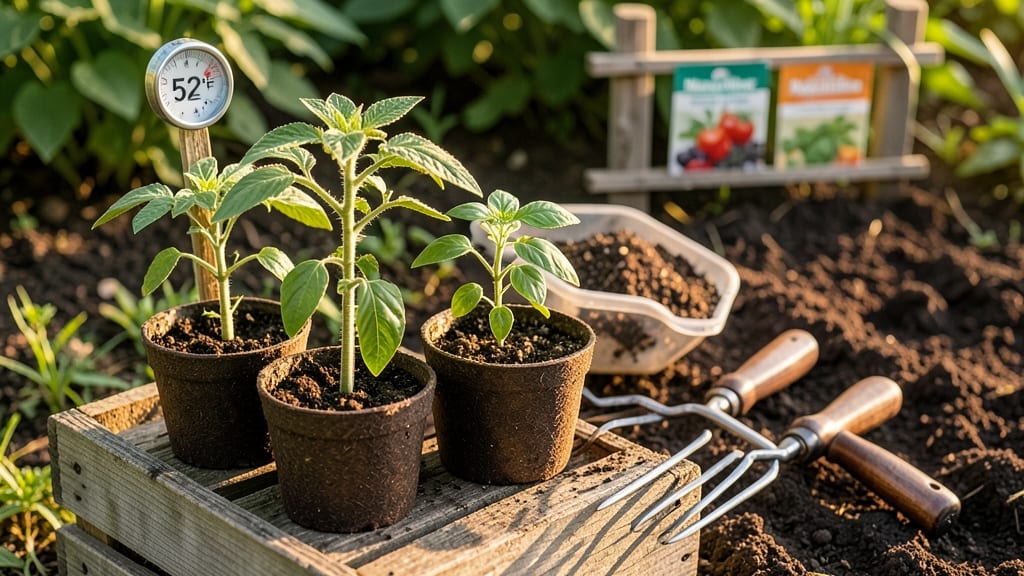
Timing your garden planting in Michigan can feel like playing a high-stakes game of chance—get it wrong, and you risk losing your entire crop to frost.
The best time to plant a garden in Michigan depends on your specific USDA zone, but knowing the average last frost dates is the key to success.
Whether you're growing tomatoes, lettuce, or perennials like lavender, understanding your local climate is everything. I've seen firsthand how a few weeks' difference can mean the difference between a thriving garden and a sad, frost-bitten disappointment. Let me show you exactly when to plant for your zone.
From the Upper Peninsula's cooler climate to the Lower Peninsula's slightly warmer stretches, Michigan's planting windows vary. We'll break down the ideal months for cool-season crops, warm-season favorites, and even how to extend your growing season with simple tricks.
Ready to turn your garden dreams into reality? You'll find out how to plan for the perfect planting schedule—no more guesswork, just lush, productive gardens all season long.
Michigan planting zones & frost-free deadlines by month
Michigan’s USDA Plant Hardiness Zones 4-6 create unique challenges for gardeners, with last frost dates varying by 10-14 days between the Upper and Lower Peninsulas. The average last spring frost typically arrives between May 10-20, while the first fall frost hits around September 20-October 10.
These dates determine your planting windows for both spring and fall crops.
For Zone 4 (Northern Michigan), like Traverse City or Marquette, gardeners should wait until May 20-June 1 for warm-season crops, while Zone 5-6 (Southern Michigan), including Detroit or Ann Arbor, can start as early as April 20-May 5.
The Upper Peninsula faces shorter growing seasons, so timing is even more critical there.
Here’s how to use these deadlines: Cool-season crops like spinach and peas can handle light frosts, while warm-season crops like tomatoes and peppers need consistent soil temps above 60°F. Fall planting for hardy greens can start 6-8 weeks before your first frost.
🌱
| Zone & Location | Last Spring Frost | First Fall Frost | Ideal Spring Planting Window | Fall Planting Window |
|---|---|---|---|---|
| Zone 4 (Upper Peninsula) | May 20-June 1 | September 15-October 5 | June 10-July 15 | July 1-August 15 |
| Zone 5 (Northern Lower Peninsula) | May 10-20 | September 25-October 10 | May 15-June 30 | July 15-August 30 |
| Zone 6 (Southern Michigan) | April 20-May 5 | October 1-15 | April 25-June 15 | July 1-August 20 |
Note: Use Michigan State University’s interactive map for your exact location.
To avoid frost damage, always check the 10-day forecast before planting tender crops. In Zone 4, even a late-May frost can delay planting by weeks, while Zone 6 gardeners can start cool-season crops as early as March-April under row covers.
For perennials like asparagus or lavender, plant in early spring (April-May) to establish roots before summer heat. Bulbs, such as tulips, should go in the fall (October-November) for spring blooms.
Pro tip: Use frost cloth or black plastic mulch to warm soil faster in cooler zones. This can shave 1-2 weeks off your planting timeline, giving you an earlier harvest.
☀️
Remember, soil temperature matters just as much as air temperature. Use a soil thermometer to confirm 60°F+ for warm-season crops like tomatoes and peppers. Cool, wet soil can stunt growth, even if the air feels warm.
For fall gardens, start seeds indoors 8-10 weeks before your first frost to ensure transplants are ready by July-August. This gives them time to mature before cold weather arrives.
Best planting schedule for Michigan’s top vegetables & flowers
Michigan’s diverse climate zones mean your planting schedule depends on whether you’re in the Upper Peninsula or Lower Peninsula. Cool-season crops like spinach and peas thrive when soil temps hit 40°F, while warm-season tomatoes and peppers need 60°F+ soil to sprout.
Let’s break down the ideal planting windows for Michigan’s most popular garden stars.
For cool-season vegetables, start seeds indoors 4-6 weeks before your last frost date. In Zone 5 (southern Michigan), that’s typically mid-March to early April. Transplant seedlings outdoors after the average last frost date—usually mid-to-late May—but always check your local frost-free deadline for precision.
🌱 Michigan Planting Schedule by Variety
- 1. Cool-Season Crops: Spinach, Peas, Lettuce, Kale → Early Spring (March-April) or Late Summer (August-September) for fall harvest.
- 2. Warm-Season Crops: Tomatoes, Peppers, Basil → After last frost (May-June) when soil is 60°F+.
- 3. Perennials: Lavender, Asparagus → Early Spring (April-May) or Fall (September) for root establishment.
- 4. Flowers: Marigolds, Sunflowers → Late Spring (May) after frost risk passes.
- 5. Succession Planting: Radishes, Bush Beans → Every 2-3 weeks from May to July.
Warm-season crops are frost-sensitive, so don’t rush them! Use row covers or wait until mid-May in colder zones (like Zone 4) to plant tomatoes and peppers. If you’re eager, start peppers indoors in March—they take 80+ days to mature, so timing is critical.
Perennials like asparagus and lavender need patience. Plant crowns in early spring (April) when soil is 50°F+, or in fall (September) for root development before winter. Avoid transplanting when soil is too wet—it stresses roots and stunts growth.
Flowers follow similar rules: annuals like marigolds go in after frost, while perennials like coneflowers can handle early spring planting. For bulbs, plant tulips in fall (October)—they need cold to bloom next spring.
Pro tip: Use Michigan State University’s frost date map to pinpoint your exact planting window. In Zone 6 (southern Michigan), you might squeeze in two harvests of lettuce—one in spring, another in fall—but in Zone 4 (UP), focus on one strong spring crop.
Remember, succession planting is your secret weapon. Instead of planting all your bush beans at once, stagger them every 2 weeks from May to July for a continuous harvest. This works especially well for radishes (30-day harvest!) and green onions.