
Companion Plants
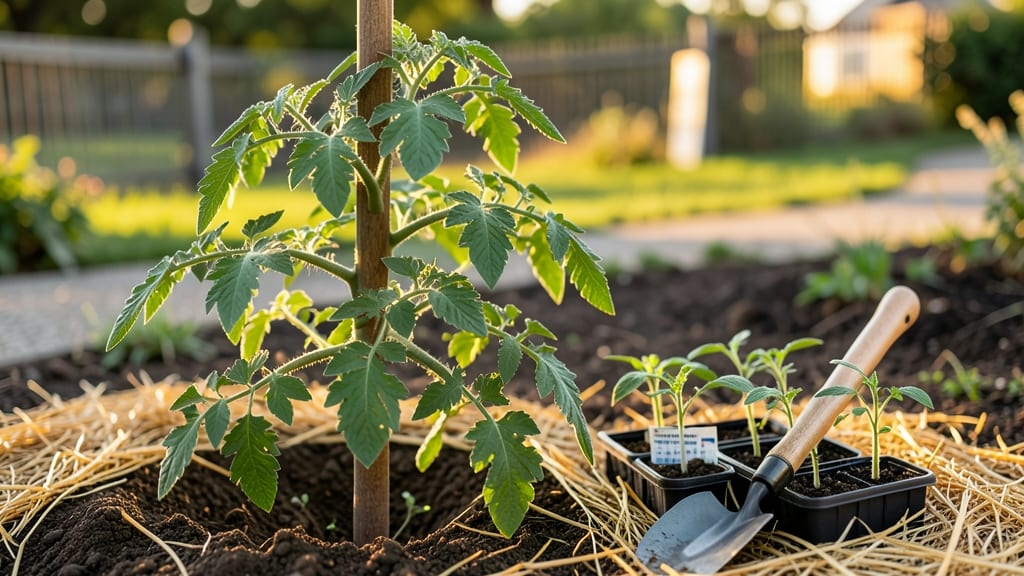
If you're asking "when should I plant tomatoes in Tennessee", the answer isn't one-size-fits-all—because the state's climate zones (from 5a to 8a) create wildly different deadlines. Plant too early in cooler zones like East Tennessee, and frost will wipe out your seedlings.
Plant too late in the warmer West, and your tomatoes might bolt before producing fruit.
I’ve grown 🍅 tomatoes across Tennessee’s regions, and the key is knowing your last frost date—whether you’re in Nashville’s 7a or Memphis’ 8a. A general rule? Wait until soil temperatures hit 60°F and nighttime lows stay above 50°F.
But here’s the catch: Tennessee’s spring weather can be unpredictable, so I’ll show you how to adjust for your specific zone.
You’ll also discover the best varieties for your area—fast-maturing types for short seasons in the mountains, heat-tolerant hybrids for the flatlands, and even container-friendly options if space is tight. Plus, I’ll debunk common myths (like "plant after Easter") and share my go-to strategies for beating late frosts or early heatwaves.
Ready to avoid the #1 mistake Tennessee gardeners make? Let’s break it down by zone so you can plant with confidence—and harvest juicy tomatoes all summer long.
Tennessee planting zones & exact tomato deadlines by region
Tennessee’s USDA zones 5a through 8a create wildly different planting schedules—what works in Memphis (Zone 7b) might fail in Nashville (Zone 6b). The key? Last frost dates and soil warmth.
Most Tennessee gardeners aim for after April 15 but adjust based on microclimates. For example, Chattanooga’s higher elevation (Zone 6a) needs later starts than Jackson’s flatlands (Zone 8a).
I’ve broken down ideal transplant windows by zone, plus heat-tolerant varieties to prevent bolt-inducing stress. Pro tip: Use a soil thermometer—tomatoes thrive when soil hits 60°F+.
In Zone 5a, wait until May 15; in Zone 8a, you can start as early as March 15.
Here’s your zone-specific planting cheat sheet, including city averages and variety recommendations to maximize yields:
| Zone | Last Frost Date | Ideal Transplant Window | Heat-Tolerant Varieties | Key Risk |
|---|---|---|---|---|
| 5a (e.g., Bristol) | April 20–May 5 | May 15–June 1 | ‘Mountain Merit’, ‘Stupice’ | Late frosts |
| 6a (e.g., Nashville) | April 5–April 20 | April 25–May 10 | ‘Celebrity’, ‘Better Boy’ | Heatwaves in July |
| 7a (e.g., Memphis) | March 15–March 30 | March 20–April 5 | ‘Arkansas Traveler’, ‘Solar Fire’ | Humidity + fungal diseases |
| 8a (e.g., Jackson) | February 15–March 1 | February 28–March 15 | ‘Heatmaster’, ‘Sun Gold’ | Early bolting |
For Nashville gardeners (Zone 6b), I recommend starting seeds indoors by March 1 and hardening off seedlings by April 15.
If you’re in Memphis (Zone 7b), you can direct-sow seeds after March 15—just cover them with row fabric for frost protection. Chattanooga’s cooler nights (Zone 6a) demand black plastic mulch to warm soil faster.
One mistake I see often? Planting too early in Zone 5a and losing seedlings to frost. Wait until soil temperatures consistently stay above 55°F—even if daytime highs are warm. Use a meat thermometer (they’re cheap and accurate) to check 2 inches deep.
In southern Tennessee (Zones 7b–8a), the real challenge is heat stress. Varieties like ‘Heatmaster’ or ‘Solar Fire’ handle 90°F+ days better than heirlooms. For container growing, choose determinate varieties like ‘Patio’ or ‘Tiny Tim’—they ripen faster in limited root zones.
Remember: Tennessee’s weather is unpredictable. Always have a 7-day backup plan—whether it’s row covers for late frosts or shade cloth for sudden heatwaves. Next, we’ll tackle adjusting dates when Mother Nature throws curveballs.
How to adjust planting dates for Tennessee’s unpredictable weather patterns
Tennessee’s unpredictable spring weather can throw off even the most experienced gardeners. While average last-frost dates provide a starting point, late frosts and early heatwaves often demand adjustments.
I’ve learned to add a 7-day buffer to my planting schedule in high-risk zones like East Tennessee (5a–6a), where frosts can linger into mid-April. In West Tennessee (7a–8a), heat can arrive early, forcing me to shift my focus to heat-tolerant varieties by late March.
One of my go-to strategies is using row covers or cold frames to extend the season. These tools let me plant 4–6 weeks earlier than the traditional window, giving seedlings a head start without risking frost damage.
For example, I’ve successfully transplanted Early Girl tomatoes in Nashville (Zone 7a) as early as mid-April under a lightweight fabric cover. Always remove covers when temps rise above 80°F to prevent overheating.
The soil thermometer is my secret weapon for timing. Tomatoes thrive when soil reaches 60–65°F, but moon planting myths won’t help here—only actual soil warmth matters. I test temps at 6 AM in full sun, the coolest part of the morning.
If the reading is below 55°F, I wait. Pro tip: Black plastic mulch warms soil 5–10°F faster than bare earth, cutting my wait time by nearly half.
For late frosts, I’ve adopted a two-stage planting approach. First, I sow fast-maturing varieties (like Solar Fire) in protected containers by mid-March. If frost hits, I move them to a garage or sunroom until danger passes.
Then, I transplant them outdoors once soil warms. This method has saved my harvests in Chattanooga (Zone 7b) during April’s infamous frost events.
Early heatwaves are another Tennessee challenge. If daytime temps climb above 90°F before your tomatoes are established, they’ll bolt prematurely (flower without fruit). To combat this, I prioritize shade cloth (30–50% coverage) and drip irrigation to keep foliage cool. In Memphis (Zone 8a), I’ve had success with heat-set varieties like Celebrity or Heatmaster, which tolerate 95°F+ better than heirlooms.
Don’t forget succession planting! Tennessee’s long growing season lets me squeeze in two tomato harvests in many zones. After my first batch (planted in April–May) produces, I clear the space and replant with late-season varieties like Brandywine in mid-July.
This works best in Zones 7a–8a, where frost rarely arrives before November.
When in doubt, I consult my local Cooperative Extension Service for hyper-local frost data. Their frost prediction maps often reveal microclimate variations—like valleys holding frost longer than hilltops.
Armed with this info, I’ve fine-tuned my planting dates to within 3–5 days of perfection. The key? Flexibility and layered protection—because Tennessee’s weather doesn’t play by the rules.
Late Frost Warning
East Tennessee (Zones 5a–6a) sees late frosts until April 15–30. If you plant tomatoes before May 1, use row covers or delay until soil stays above 55°F for 5 consecutive days. Never plant seedlings when nighttime temps dip below 50°F—they’ll succumb to cold stress within 48 hours. 🌱