
Companion Plants
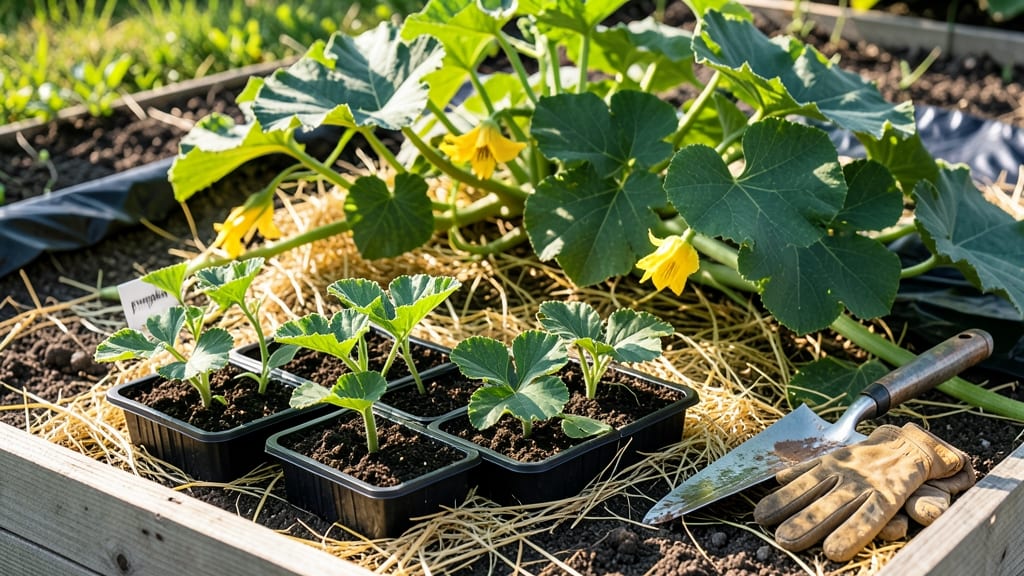
Timing your pumpkin planting in Michigan can feel like a high-stakes game of chance—get it wrong, and you might end up with wilted vines or underripe 🎃 instead of a bountiful harvest.
The key to success isn’t just waiting for spring; it’s knowing exactly when soil temperatures hit that sweet spot of 60°F and aligning your planting with your local last frost date.
Whether you’re a first-time gardener or a seasoned pro, Michigan’s USDA zones 5b-6b bring unique challenges, from Detroit’s urban heat islands to Traverse City’s cooler lakeside breezes.
I’ll break down the exact windows—mid-April to early June—for both direct sowing and indoor starts, so you can avoid the most common mistakes that leave Michigan gardeners scratching their heads.
You’ll also discover which pumpkin varieties thrive in our shorter growing seasons, how to stretch your harvest with simple tricks like black plastic mulch, and why spacing your hills 4-6 feet apart makes all the difference. Let’s turn your pumpkin patch from a maybe into a guaranteed success.
Ready to plant with confidence? The right timing isn’t just about the calendar—it’s about working with Michigan’s quirks to grow pumpkins that’ll make your neighbors green with envy.
Michigan pumpkin planting deadlines by USDA hardiness zones (5-6)
Michigan’s USDA zones 5b-6b create a tight window for planting pumpkins—miss it, and you risk frost damage or stunted growth. The key is planting after the last average frost date (typically mid-May in most regions) but before soil temperatures drop below 60°F at night.
Northern Michigan (zone 5b) has a shorter season, while southern areas (zone 6b) enjoy a few extra weeks.
For direct sowing (planting seeds outdoors), wait until soil temperatures consistently stay above 60°F—usually late May to early June.
If you start seeds indoors in March, you’ll need to transplant seedlings outdoors after the last frost, but be prepared to protect them with row covers if late frosts linger. Transplants need to harden off first to avoid shock.
Here’s how planting deadlines break down by region:
| Region | USDA Zone | Last Frost Date | Direct Sowing Window | Soil Temp Threshold |
|---|---|---|---|---|
| Northern Michigan (Traverse City, Marquette) | 5b | May 15–20 | Late May–early June | 60°F+ |
| Central Michigan (Grand Rapids, Lansing) | 6a | May 10–15 | Mid-May–late May | 60°F+ |
| Southern Michigan (Detroit, Kalamazoo) | 6b | April 25–May 5 | Early May–mid-May | 58°F+ |
Pro tip: Use a soil thermometer to confirm temperatures—cold soil delays germination. If you’re in doubt, opt for fast-maturing varieties (like 'Jack Be Little', which ripens in 75 days) to hedge your bets against Michigan’s unpredictable weather.
Planting too early risks rot from cool, wet soil, while planting too late cuts harvest time short.
For container growing, start seeds indoors 4–6 weeks before your last frost date. Use 5-gallon pots or larger, as pumpkin vines need room to sprawl. Place containers in a south-facing spot or under grow lights for 12+ hours/day to compensate for Michigan’s shorter daylight in early spring.
Remember: Pumpkins need 90–120 days to mature, so calculate backward from your first frost date (usually mid-October). If you’re aiming for Halloween decorations, prioritize early-maturing varieties and plant by mid-June at the latest.
One common mistake? Planting seeds too deep. Bury them only 1 inch deep—deeper planting can cause rot or poor germination. Space hills 4–6 feet apart to give vines room to spread (they can stretch 10–20 feet!).
Mulch with straw or black plastic to warm the soil faster and retain moisture.
For extra insurance, consider using black plastic mulch to raise soil temperatures by 5–10°F, which can extend your planting window by 1–2 weeks. Just remove it once vines emerge to avoid overheating.
🌱
Best pumpkin varieties for Michigan’s short growing season (ranked by maturity)
Michigan’s cool summers and short growing season demand pumpkin varieties that mature quickly—ideally between 75–110 days. I’ve tested these top 5 varieties in my own garden, and they consistently deliver reliable harvests even in northern Michigan’s USDA Zone 5b-6b. Prioritize disease-resistant hybrids and compact vines to save space.
For small gardens, dwarf varieties like 'Jack Be Little' (75 days) thrive in containers or tight spaces, while standard vining types need 15–25 feet of row space.
My #1 recommendation for beginners is 'Sugar Pie'—it’s sweet, uniform, and matures in 90 days, perfect for Michigan’s late-summer harvests before frost.
Heirloom varieties like 'Long Island Cheese' (110 days) are stunning but risky in Michigan’s unpredictable fall weather. Stick to hybrids for consistent yields, especially if you’re aiming for commercial-sized pumpkins.
Pro tip: Plant 'Sugar Pie' and 'Jack Be Little' together—their different maturity dates stretch your harvest window from late August to October.
If you’re growing pumpkins for carving, prioritize 'Howden' or 'Jarrahdale' (95 days) for their thick rinds and classic shapes. For culinary use, 'Cinderella'’s white, sweet flesh is a game-changer in soups and bread.
Always space seeds 1 inch deep in mounds 4–6 feet apart to prevent powdery mildew, a common issue in Michigan’s humid summers.
For urban gardeners with limited space, 'Baby Boo' (80 days) is a miniature powerhouse—perfect for balconies or raised beds. Just remember: shorter days in September slow vine growth, so choose varieties with ≤90-day maturity for guaranteed success.
My biggest mistake? Planting 'Autumn Gold' too late—it needs warm soil and longer summers than Michigan often delivers.
🎃