
Companion Plants
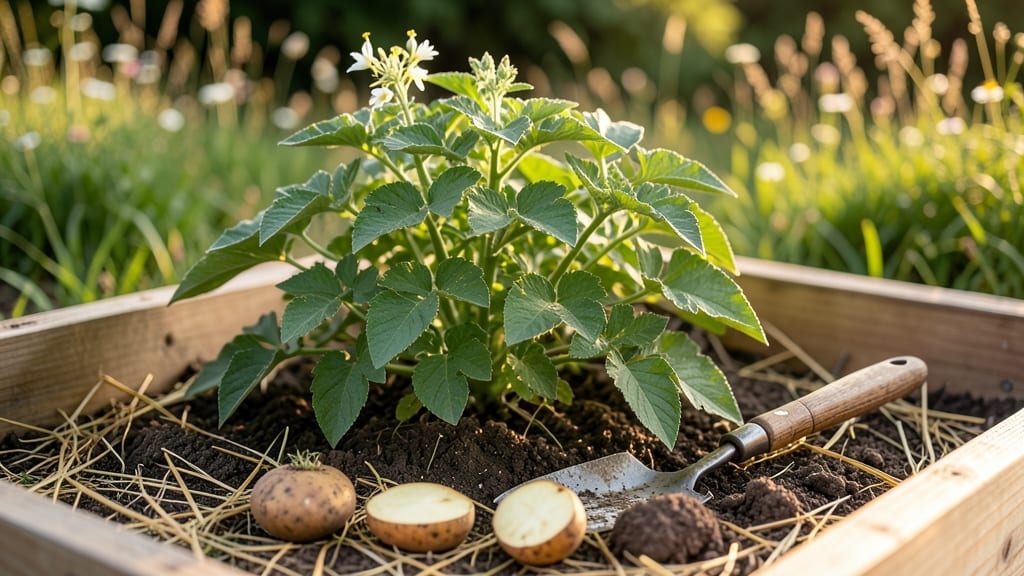
Timing when should I plant potatoes in Zone 6 can make the difference between a bountiful harvest and a disappointing one.
With last frosts often lingering into April, knowing exactly when to plant your seed potatoes is key to avoiding frost damage while giving them enough time to mature before summer heat sets in.
I’ve learned from years of gardening in Zone 6 that the ideal window is 4–6 weeks before your last frost date, typically between early March and mid-April. But here’s the catch: early varieties like 'Red Pontiac' can handle cooler soil, while late-season types need warmer temperatures to thrive.
In this guide, I’ll break down the exact frost-free timeline for planting potatoes in Zone 6, including soil temperature tips and how to adjust for unpredictable weather. Whether you’re a first-time gardener or a seasoned pro, these insights will help you maximize your yield and avoid common mistakes.
Ready to dig in? Let’s get your potatoes in the ground at the perfect time for a harvest that’ll impress everyone at the dinner table.
Zone 6 potato planting timeline: exact dates for frost-free success
In Zone 6, potatoes thrive when planted at the right time—too early and frost will damage tender sprouts, too late and you’ll miss peak harvest season.
The ideal planting window spans from mid-March to mid-April, aligning with soil temperatures of 45°F (7°C) and your last average frost date. Most Zone 6 gardeners aim for 4–6 weeks before the last frost to ensure healthy growth before summer heat arrives.
Your local last frost date (typically mid-April in Zone 6) is the anchor for planning. For example, if frost usually hits April 15th, plant your seed potatoes by March 15th to give them 6–8 weeks of growth before summer’s full sun.
Early varieties like 'Red Pontiac' can even start in late February under protective covers.
Here’s the breakdown of your Zone 6 potato planting timeline, tailored to different varieties and weather patterns:
| Planting Window | Soil Temp | Variety Type | Days to Harvest | Key Tip |
|---|---|---|---|---|
| Late February - Early March | 40–45°F (4–7°C) | Early (e.g., 'Yukon Gold') | 60–80 days | Use row covers for frost protection |
| Mid-March - Mid-April | 45–50°F (7–10°C) | Mid-season (e.g., 'Kennebec') | 80–100 days | Plant when soil is workable |
| April - Early May | 50–55°F (10–13°C) | Late (e.g., 'Russet Burbank') | 100–120 days | Best for fall harvest |
For early varieties, you can start as soon as the ground is workable (usually late February in Zone 6), even if frost is still possible.
These potatoes mature quickly (60–80 days), so they’re ideal for gardeners eager to harvest before summer’s peak. 'Red Pontiac' and 'Early Rose' are top choices for this window.
If you’re planting mid-season varieties like 'Kennebec' or 'LaSoda', wait until mid-March to mid-April when soil temperatures consistently stay above 45°F (7°C). These varieties take 80–100 days to mature, making them perfect for a summer harvest just as your garden needs a break from planting.
Late-season varieties like 'Russet Burbank' or 'Idaho Russet' should go in the ground late April to early May. These potatoes need 100–120 days to reach harvest, so planting them later ensures they’re ready for fall harvest before the first frost. This strategy also works well if you missed the earlier windows.
Pro tip: Test your soil temperature with a soil thermometer before planting. Potatoes won’t sprout until soil reaches 50°F (10°C), so rushing too early can stall growth. If your soil is too cold, wait a week or use black plastic mulch to warm it faster.
Don’t forget about succession planting! In Zone 6, you can plant a second crop of early varieties in late June for a fall harvest. Choose fast-maturing types like 'New Potato' varieties and expect harvests by early October before frost sets in.
🌱
Zone 6 potato planting timeline: exact dates for frost-free success
In Zone 6, your potato planting window is tight—just 4-6 weeks before the average last frost date (typically mid-April). Planting too early risks frost damage to young sprouts, while delaying past early May may shorten your harvest season.
The key is balancing soil temperature (at least 45°F) with frost risk.
For most Zone 6 gardeners, the ideal planting window spans from late March to early April. Early varieties can even start in February under protective covers, while late-season types should go in by mid-May for a fall harvest. Local microclimates matter—urban areas may warm faster than rural spots.
| Planting Stage | Zone 6 Timeline | Key Conditions |
|---|---|---|
| Seed Potato Prep | Late February - Early March | Chit sprouts in light, 60-65°F |
| Early Varieties | Late March - Early April | Soil ≥45°F, frost-free window |
| Main Crop | Mid-April - Early May | 6+ hours sun/day, 50-60°F soil |
| Late Varieties | Mid-May | For fall harvest, 90+ days to maturity |
| Harvest Window | July - September | 70-120 days post-planting |
Use your local frost date as your anchor—check the USDA Plant Hardiness Zone Map for your specific location within Zone 6 (6a vs. 6b). For example, Chicago (6a) typically has a later last frost than Raleigh (6b).
Adjust your planting by 1-2 weeks if your area runs cooler or warmer than the average.
Pro tip: Plant a successive crop every 2 weeks through early May to stagger harvests. This ensures a continuous supply while extending your growing season. For example, plant Red Pontiac in late March, Yukon Gold in early April, and Kennebec in mid-April for a 3-month harvest window.
Monitor soil temperature with a thermometer—potatoes won’t sprout below 45°F, even if air temps are warmer. If your soil heats up quickly, consider shading young plants to prevent bolting (premature flowering). Mulch with straw or grass clippings to maintain even soil temps and moisture.
Remember: Zone 6’s growing season is short—aim to harvest before the first frost (mid-October). Early varieties like ‘Early Girl’ (60 days) are perfect for late plantings, while ‘Russian Banana’ (110 days) needs an early start. Plan your varieties based on your planting date!