
Companion Plants
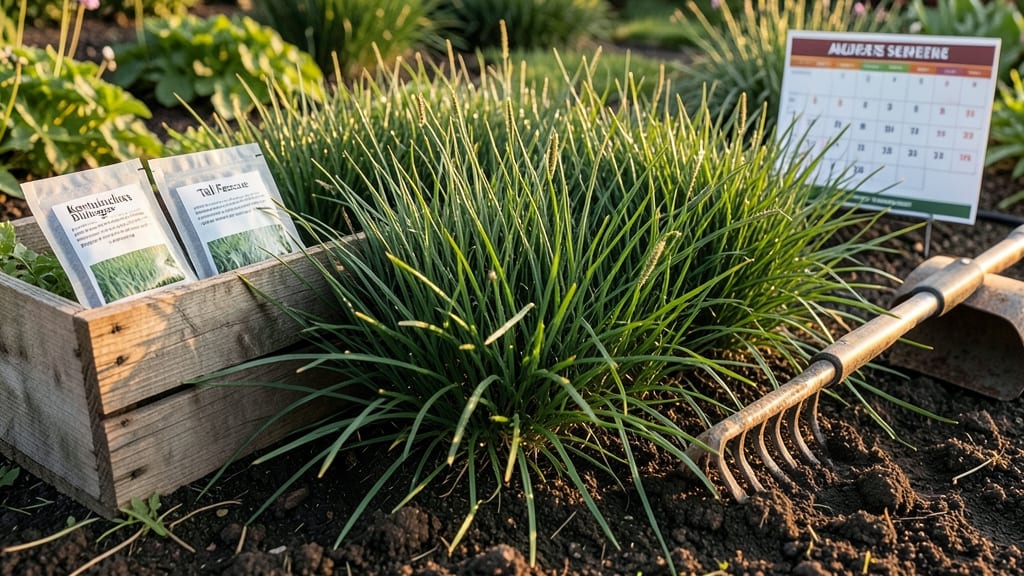
Timing your Grass (Turfgrass) seed planting in Michigan isn't just about luck—it's the difference between a lush, green lawn and months of patchy frustration. Whether you're tackling a new yard or repairing bare spots, getting the window right means avoiding frost damage, drought stress, and wasted seed.
Michigan's 5b-6b climate gives you two prime opportunities: early spring or early fall, when soil temperatures and daylight align perfectly for germination. But here's the catch—plant too early, and frost will kill your efforts; too late, and weeds will steal the show.
I'll break down exactly when to plant in your specific zone, plus how to prep your soil for success.
You'll discover the ideal soil temps (hint: it's not just about the calendar), how to read Michigan's frost-free deadlines, and why some grasses thrive in spring while others wait for fall. Let's get your lawn off to the right start—without the guesswork.
From the Upper Peninsula to southern Michigan, every region has its nuances. By the end, you'll know exactly when to grab that seed bag, how deep to plant, and what to watch for in those critical first weeks. Your perfect lawn begins with the right timing—and I've got you covered.
Best grass seed planting times in Michigan by USDA hardiness Zone
Michigan’s USDA hardiness zones 4-6 create distinct windows for planting grass seed, where timing can make the difference between a lush lawn and wasted effort.
The ideal soil temperature for germination is 50-65°F, and Michigan’s cool-season grasses (like Kentucky bluegrass and tall fescue) thrive when planted in early spring or early fall.
Let’s break down the best times by zone to ensure your grass establishes strong roots before winter or summer stress sets in.
In Zone 5b (southern Michigan), you’ll have the longest growing season, while Zone 6b (southeast Michigan) offers slightly more flexibility. Meanwhile, northern Michigan (Zone 4), including the Upper Peninsula, demands earlier spring planting and earlier fall deadlines.
Missing these windows can lead to frost damage or dormancy issues, so planning ahead is key.
For spring planting, aim to sow seeds 4-6 weeks after the last frost, typically late April to early May in most of Michigan. In the Upper Peninsula, this might shift to early May due to later frost dates.
For fall planting, seed 6-8 weeks before the first frost, usually mid-September to early October, giving grass time to root before winter.
Here’s a quick comparison of planting windows by zone, including soil temperature thresholds and frost-free deadlines:
| Zone | Spring Planting Window | Soil Temp (°F) | Fall Planting Window | First Frost Date |
|---|---|---|---|---|
| 5b (Southern MI) | Late April - Early May | 50-65°F | Mid-September - Early October | Mid-October |
| 6b (Southeast MI) | Early April - Mid-May | 50-65°F | Late August - Mid-October | Early November |
| 4 (Upper Peninsula) | Early May - Early June | 50-65°F | Early September - Early October | Late September |
If you’re in southern Michigan (Zone 6b), you can push the envelope slightly—planting as late as early May in spring or as late as mid-October in fall—thanks to the longer growing season.
However, northern Michigan gardeners should avoid planting after early June in spring or before mid-August in fall, as the risk of frost damage increases significantly.
For cool-season grasses like Kentucky bluegrass, which dominate Michigan lawns, fall planting is often preferred. These grasses establish deeper roots in cooler weather, making them more resilient to summer heat and winter freeze.
In contrast, warm-season grasses (like Bermuda grass, though rare in Michigan) would require late spring planting, but they’re not ideal for the state’s climate.
Always check your local USDA frost-free dates and soil temperature before planting. Tools like a soil thermometer (available for under $20) can help you confirm when conditions are just right.
Pro tip: If your soil is still below 50°F in spring, wait a few more weeks—cold soil can delay germination by weeks or even kill seedlings.
One common mistake is assuming that "early spring" means March. But planting in March is risky because soil temperatures are often too cold, and seedlings can rot or wash away during spring rains.
Instead, wait until the soil warms to at least 50°F, even if it means delaying until late April or early May.
For fall planting, the goal is to give grass 6-8 weeks of growth before the first frost. In Zone 5b, this might mean planting by September 15th, while in Zone 4, you’ll need to finish by early September.
Planting too late in fall can leave grass vulnerable to winter kill.
🌱
How to check soil temperature and frost dates for perfect grass seed timing in Michigan
Michigan’s unpredictable spring frosts and variable fall temperatures make timing your grass seed planting a science—not a guess. Before you even open that seed bag, you need to know two critical things: your soil temperature and your local frost dates.
These factors determine whether your grass will sprout or shrivel.
Cool-season grasses like Kentucky bluegrass and tall fescue (Michigan’s most popular choices) thrive when soil temps hover between 50°F and 65°F. Planting too early in cold soil slows germination, while planting too late risks heat stress or fungal diseases. Here’s how to get it right every time.
Start by checking Michigan’s average frost-free dates. The U.S. National Phenology Network provides a free tool where you can plug in your ZIP code to see when your area typically reaches 50°F soil temps in spring and 40°F air temps in fall.
For most of Michigan, this falls between mid-April and early May for spring planting, and late August to mid-September for fall.
For a real-time check, invest in a soil thermometer (available for under $15). Stick it 2 inches deep in your lawn—this is where grass seed germinates.
Test it in the late afternoon when temps are highest. If it’s consistently below 50°F, wait. If it’s above 65°F, you’re risking poor germination.
Pro tip: Morning frost doesn’t mean your grass is doomed—seeds can handle light frosts once they’ve sprouted. But hard freezes (below 28°F) will kill young seedlings. Always plant 4-6 weeks before your first expected frost in fall to give roots time to establish.
Don’t forget to account for microclimates. A south-facing slope warms up faster than a shady backyard, and low-lying areas stay cooler longer. If your lawn has uneven sun exposure, test multiple spots before committing to a planting date.