
Plants
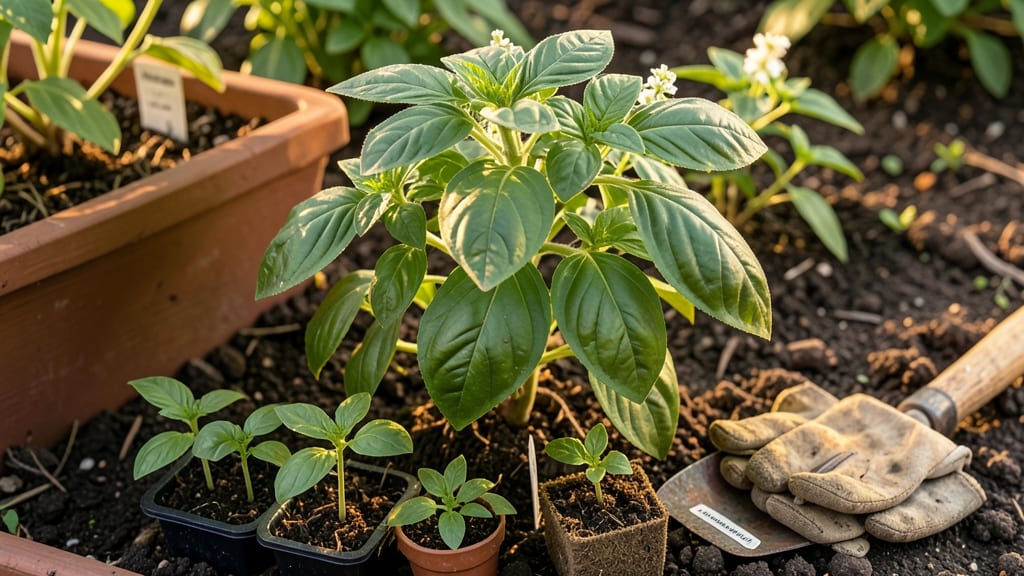
Timing your basil planting in Ohio isn’t just about waiting for spring—it’s about catching that sweet spot between frost and heat where this 🌿 herb thrives. Plant too early, and a late frost will wipe out your seedlings before they even get started.
Too late, and you’ll miss the prime window for lush, flavorful leaves that make summer dishes sing.
Ohio’s Zone 6a climate means you’ve got roughly April 15 to May 15 to get basil in the ground, but there’s more to it than just dates. Soil temperature matters just as much as the calendar—basil roots need to feel that 50°F warmth before they’ll take off.
And let’s be honest: nobody wants to wait until June to start harvesting when you could be snipping fresh leaves for pesto in June.
Whether you’re starting with transplants or sowing seeds, this guide cuts through the guesswork. I’ll walk you through exactly when to plant, how to protect your basil from Ohio’s unpredictable weather, and the simple care routines that turn good basil into exceptional basil.
No more wasted effort—just a garden full of aromatic, ready-to-harvest plants.
Ready to grow basil that’s bursting with flavor? Let’s dive into the timing, tricks, and troubleshooting tips that’ll make your Ohio garden the talk of the neighborhood. Your first perfect pesto is just a few weeks away—if you plant it right.
Ohio’s frost-free dates for basil planting: exact timing by region
Ohio’s USDA Zone 5-6 climate means basil planting hinges on precise timing to avoid frost damage. The average last frost date across the state ranges from mid-April in southern Ohio to late April in northern regions.
For direct sowing, wait until soil temperatures hit 50°F+—this usually aligns with mid-to-late May for most gardeners.
If you’re using transplants, you can push the timeline slightly earlier, around early May, but always monitor local forecasts.
Urban areas like Columbus or Cincinnati often warm up faster than rural zones, while valleys like those in Appalachian Ohio may need an extra week of patience. Microclimates matter—a south-facing garden bed can be 5-10°F warmer than a shaded corner.
Here’s the golden rule: Never plant basil outdoors before May 15 in most of Ohio, unless you’re using row covers or cold frames to protect seedlings. Even then, a late frost can devastate tender basil seedlings in just one night.
I’ve learned this the hard way—2022’s Memorial Day frost wiped out my entire garden overnight!
| Region | Avg. Last Frost | Safe Direct Sow Date | Transplant Window |
|---|---|---|---|
| Southern Ohio (e.g., Cincinnati) | April 15 | May 1 | April 20 |
| Central Ohio (e.g., Columbus) | April 22 | May 10 | April 25 |
| Northern Ohio (e.g., Cleveland) | May 5 | May 25 | May 1 |
| Appalachian Ohio (e.g., Athens) | May 10 | June 1 | May 15 |
Note: Adjust dates 1-2 weeks earlier for urban heat islands or later for shaded/rural areas.
For container gardening, you can cheat the system by starting seeds indoors 6-8 weeks before your last frost date. This gives you compact basil plants ready for transplanting as soon as soil warms.
I swear by this method—my Genovese basil thrives in pots on my balcony, and I harvest all summer long without frost worries.
Pro tip: Use a soil thermometer to confirm 50°F+ soil temps before planting. Cold soil slows germination and invites rot. I test mine every morning at 8 AM—consistency is key. If your soil is below 50°F, wait another week, even if the air feels warm.
Ohio’s first frost typically hits around October 15, but basil’s harvest window closes much earlier. By mid-September, days shorten and temps dip, causing basil to bolt and turn bitter.
To extend your season, move potted basil indoors near a sunny window or under grow lights—I’ve kept mine producing until Christmas with this trick!
If you’re in Zone 6a (most of Ohio), aim to have mature basil plants by June 1. This gives you 3-4 months of peak harvest before heat stress sets in.
My Thai basil loves the humidity, but even it struggles if temps hit 90°F+ for weeks. Always prioritize morning watering to keep roots cool.
For direct sowing vs. transplants, transplants win in Ohio’s short season. Seedlings need 4-6 weeks to mature enough for transplanting, and starting them early indoors buys you critical time.
I order basil starts from local nurseries by April 1 to have them ready for May planting—this ensures I’m harvesting by June.
Remember: Basil hates cold, but it also bolts in heat. Ohio’s unpredictable summers make timing tricky, but with these dates and tricks, you’ll avoid the most common mistakes and enjoy fresh basil from June to October. Happy planting!
Heat tolerance secrets: how to extend Ohio’s basil growing season
Ohio’s summers may feel short, but with the right tricks, you can stretch your basil harvest well into September. This herb craves 70°F+ temperatures, and our state’s Zone 6a climate delivers—if you play your cards right.
The key? Creating microclimates that mimic summer’s warmth and protecting young plants from late frosts or sudden heat spikes.
First, choose heat-tolerant varieties like Genovese or Sweet Basil, which handle Ohio’s 85°F+ days better than delicate types. For extra insurance, start seeds indoors by March 15 and transplant after the last frost (usually April 15), giving them a head start in warmer soil.
Containers are your best friend for extending the season. Black pots absorb heat, raising soil temps by 5-10°F compared to garden beds. Place them on patio slabs or near south-facing walls to trap warmth.
Mulch with straw or black plastic to keep roots cool on scorching days—this prevents stress that leads to bitter leaves.
Don’t overlook late-season harvesting—basil can produce leaves until first frost (around October 15) if you protect it. Cover plants with frost cloth on chilly nights (below 50°F) and remove it during the day.
For a second crop, sow new seeds in late July; they’ll thrive in the residual summer heat and give you fresh basil through September.
Watering smartly is non-negotiable. Basil wilts fast in 90°F+ heat, but overwatering causes root rot. Stick to deep watering every 2-3 days in the morning, and avoid wetting leaves to prevent fungal diseases like downy mildew. A drip irrigation system keeps soil consistently moist without stressing the plant.
With these tricks, you’ll turn Ohio’s short summer into a basil bonanza, snipping leaves for pesto, salads, and teas from June through September. The secret?
Treat your basil like a sun-worshipping diva—give it heat, protect it from extremes, and it’ll reward you with flavor-packed harvests all season long. 🌿☀️