
Vegetables
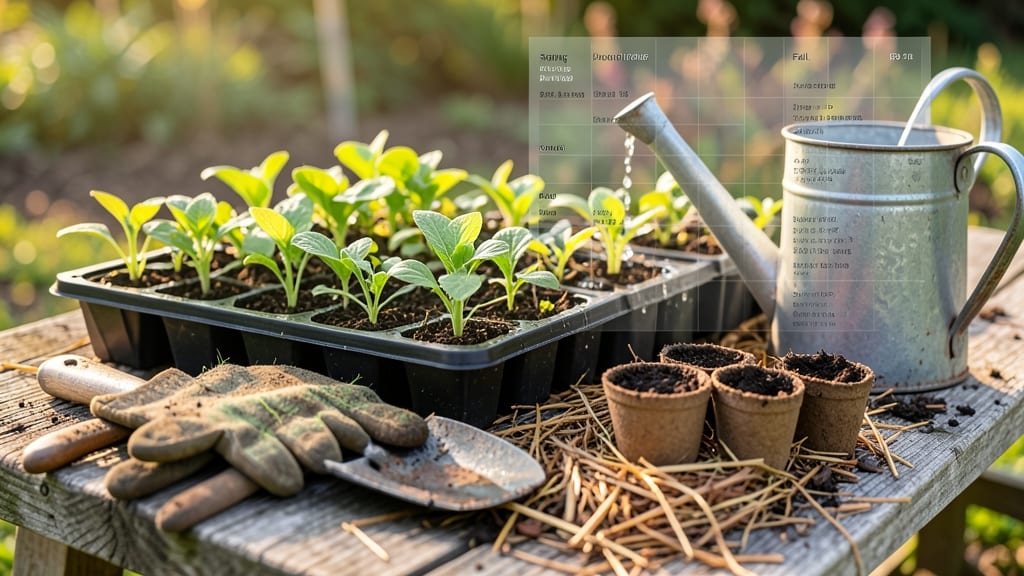
Timing your vegetable planting in Texas isn't just about following a calendar—it's about outsmarting the heat before your 🌱 greens bolt or wilt under 100°F+ skies. If you've ever watched your seedlings struggle or your tomatoes turn bitter from the Texas sun, you know the stakes are high.
Here's the game-changer: Planting at the right moment means the difference between a thriving garden and a sad, sun-scorched disappointment.
I've spent years testing what works in Texas' unique growing zones, and I'm about to share the exact windows that keep your vegetables happy—whether you're in the North, Central, or High Plains regions.
You'll discover which vegetables handle the heat best, how to stretch your planting season without risking frost, and the critical soil prep steps that make all the difference. Let's turn those Texas summers into your garden's peak growing season.
Ready to grow vegetables that actually thrive in the heat? The clock is ticking—literally. Your first planting window opens sooner than you think, and missing it could mean waiting until fall. Here's how to nail it the first time.
Texas vegetable planting calendar by month: exact dates to avoid heat stress and bolting
Texas' 11 growing zones create wildly different planting windows—what works in North Texas (Zone 7b) fails in South Texas (Zone 9a). The key? Aligning your plantings with soil temperatures and heat tolerance thresholds to prevent bolting.
Cool-season crops like broccoli and lettuce need spring or fall planting, while heat-lovers such as okra and sweet potatoes thrive when planted after the last frost.
For most of Texas, the last frost date ranges from February 15 (North) to March 15 (South). However, microclimates matter—hilltops freeze faster than valleys. Use a frost-free calendar (like Texas A&M's) and adjust planting by 2-4 weeks based on your exact location.
I’ve grown peppers in March in Austin and seen them bolt by May, while my neighbor in San Antonio plants theirs in April and avoids stress entirely.
Here’s your month-by-month breakdown for Texas vegetable planting, including bolting triggers and soil temperature rules to follow:
| Month | Cool-Season Crops (Plant) | Warm-Season Crops (Plant) | Soil Temp (°F) | Bolting Risk |
|---|---|---|---|---|
| January | Spinach, kale, peas (North TX) | None (too cold) | 50–60°F | Low (if covered) |
| February | Lettuce, broccoli, carrots | Onions, garlic (South TX) | 55–65°F | Moderate (watch for heat spikes) |
| March | Peas, radishes, cabbage | Tomatoes, peppers (North TX) | 60–70°F | High (plant late March) |
| April | None (too hot) | Okra, sweet potatoes, beans | 70–80°F | Low (heat-tolerant crops) |
| May | None (peak heat) | Pumpkins, squash, corn | 80–90°F | None (summer crops) |
| September | Lettuce, spinach, kale | Green beans, cucumbers | 70–80°F | Moderate (use shade cloth) |
| October | Broccoli, cauliflower, carrots | None (cooling down) | 60–70°F | Low (ideal for fall crops) |
| November | Peas, radishes, garlic | None | 50–60°F | Low (cover for frost) |
🌱 Pro Tip: Use shade cloth (30–50%) for spring/fall plantings to prevent bolting in sudden heat spikes.
Notice how April and May are the sweet spots for warm-season crops, while September–November offer a second chance for cool-season veggies. I’ve had successful fall lettuce in North Texas by planting in early September—just cover it with frost blankets by October.
In South Texas, you can even grow winter greens year-round with minimal protection.
One critical mistake I’ve seen is planting tomatoes too early (before April 15 in North TX). The soil stays too cold, roots rot, and plants bolt from stress. Instead, wait until the soil hits 65°F—use a soil thermometer to check.
For peppers, which are even more sensitive, aim for 70°F+ soil and plant after May 1 in most regions.
For bolting-prone crops like lettuce and spinach, shade cloth (30%) is a game-changer. I’ve extended my spring lettuce season
Top 10 heat-tolerant vegetables for Texas gardens: what stays productive in 100°F+ weather
Texas summers can push temperatures past 100°F, but some vegetables actually thrive in this heat. I’ve grown these heat-tolerant varieties in my own garden, and they consistently deliver—even when most plants wilt. The key is choosing varieties bred to handle Texas’ extreme conditions while providing the right care.
These 10 vegetables won’t just survive—they’ll flourish, giving you bountiful harvests when other gardens struggle. From leafy greens that stay crisp to fruits that sweeten under the sun, these picks are my top recommendations for beating the Texas heat.
🌡️ Heat Tolerance Ratings
Okra is my top pick for Texas gardens—it not only handles the heat but actually improves in flavor when grown in 90°F+ temperatures. Plant it in late spring after the last frost, and it’ll produce pods for months.
I’ve seen my okra plants yield 50 pods per plant in a single season!
For leafy greens, Malabar spinach is a game-changer. Unlike traditional spinach, it won’t bolt in the heat and stays tender even when other greens turn bitter. Pair it with black-eyed peas, another heat-lover that thrives in Texas’ clay soil when given well-draining conditions.
Peppers and eggplants also excel in the heat, but they need consistent moisture to prevent bitterness. I water mine deeply every morning and mulch heavily to retain soil moisture. For tomatoes, choose heat-tolerant varieties like 'Heatmaster' or 'Solar Fire'—they’re bred to set fruit even when daytime temps hit 95°F.
Don’t overlook squash and cucumbers either. While they need more water, varieties like 'Bush Buttercup' squash and 'Lemon' cucumbers produce abundantly in Texas’ summer heat. The trick is to plant them in late spring and provide afternoon shade during the hottest weeks.
Pro tip: Use companion planting to maximize yields. Pair okra with sweet potatoes to improve soil health, and plant peppers near basil to repel pests naturally. These combinations create a self-sustaining ecosystem that thrives in Texas’ intense climate.