
Plants
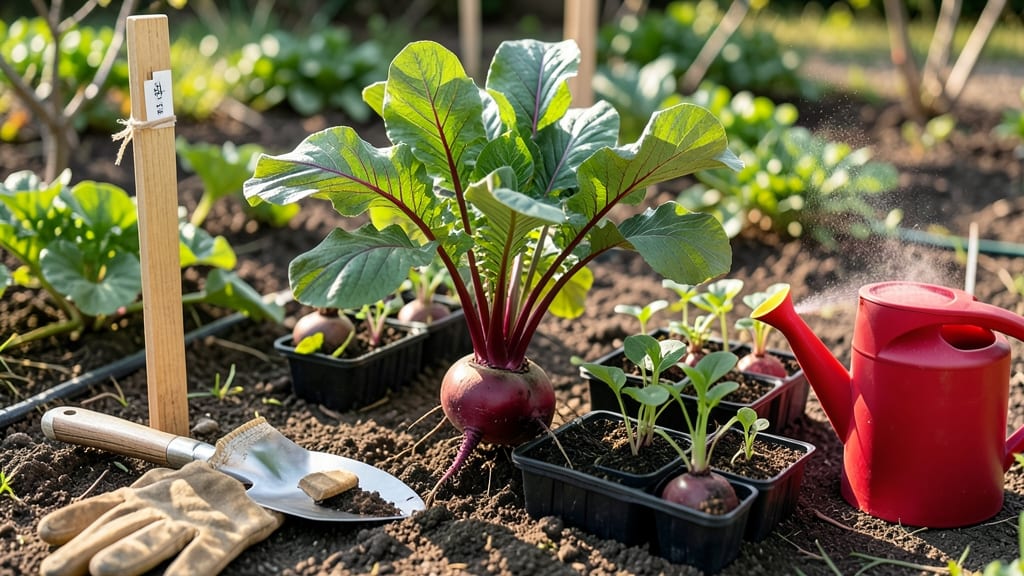
Timing your beets 🍠 just right in Southern California is the secret to avoiding bitter, bolted harvests—and I’ve cracked the code after years of trial and error in zones 9b-11. Plant too early, and the heat will send them flowering before you even see roots.
Too late, and you’ll miss the sweet spot for crisp, tender beets. But nail these two prime windows, and you’ll enjoy homegrown harvests from November through June.
Most gardeners in SoCal focus on fall planting, but the real magic happens when you layer in a winter/spring window too. September through October gives you that first flush of cool-season growth, while February-March extends your harvest into summer.
The key? Avoiding those scorching summer months when even shade-loving beets will bolt faster than you can say “seed packet.”
Here’s what I’ll show you: exactly when to drop those seeds for foolproof success, how to tweak timing for coastal vs. inland microclimates, and the three signs your beets are about to go bad (so you can fix it fast). No more wasted effort—just reliable, delicious harvests all season long.
Ready to stop guessing and start growing? Let’s dive into the perfect planting schedule that’ll have your beets thriving when others are struggling—and trust me, your taste buds will thank you.
Best planting windows for beets in SoCal: avoiding bolting and heat stress
Southern California’s mild winters and hot summers create a unique challenge for growing beets—too early, and they’ll bolt; too late, and they’ll wilt. The key is planting during cool-season windows when temperatures stay between 50°F and 75°F.
For most of SoCal (USDA zones 9b-11), this means focusing on fall and early spring plantings.
Beets thrive in cooler temperatures, but they’re sensitive to heat stress. Inland areas like Los Angeles and Riverside can get hotter faster than coastal regions like San Diego or Santa Barbara.
Adjust your planting schedule based on your microclimate—coastal gardeners have a slightly longer window, while inland gardeners should plant earlier in fall and later in spring.
Here’s the optimal planting timeline for beets in Southern California, broken down by season and region:
| Season | Planting Window | Ideal Soil Temp | Notes for SoCal |
|---|---|---|---|
| Fall | Late August - Early October | 60°F - 70°F | Best time! Coastal areas can plant until mid-October. |
| Winter | November - January | 50°F - 65°F | Slow growth; protect from cold snaps with mulch. |
| Spring | February - Early March | 55°F - 70°F | Inland areas can plant until late March. |
| Summer | Avoid | N/A | Heat stress causes bolting; use shade cloth if attempting. |
For coastal regions, you can push the fall window later—even into mid-October—because cooler ocean breezes delay heat buildup. Inland areas should start seeds by late August to avoid the first wave of summer heat.
If you’re in the Inland Empire or Desert regions, consider using shade cloth (30-50%) to extend your fall planting into early September.
Temperature is the biggest factor in preventing bolting (when beets send up flower stalks and become bitter). Aim to keep daytime temps below 75°F and nighttime temps above 50°F. Use a soil thermometer to monitor conditions—ideal soil temps for germination are 60°F-70°F.
If your soil is too hot (above 80°F), wait until evening to plant seeds and keep them consistently moist to encourage root growth over bolting.
Another pro tip: Succession planting every 2-3 weeks during your window ensures a steady harvest. For example, if you plant your first batch in late August, follow up with seeds in mid-September and early October to stagger maturity.
This works especially well for baby beet varieties, which mature faster (40-50 days) and are less likely to bolt.
If you’re in a warmer microclimate (like Palm Springs or Coachella Valley), focus on shade-tolerant varieties like 'Detroit Dark Red' or 'Golden', which handle heat slightly better than others. Always pair them with afternoon shade during peak summer months to prevent stress.
Finally, don’t forget to harden off seedlings if you’re starting indoors. Southern California’s coastal fog can create temperature swings, so acclimate plants to outdoor conditions for 7-10 days before transplanting. This reduces shock and gives them a better chance to establish roots before cooler weather sets in.
With these cool-season windows and microclimate adjustments, you’ll avoid the two biggest beet-growing pitfalls in SoCal: bolting and heat stress. Soon, you’ll be harvesting crisp, sweet beets from fall through spring—no bitter surprises!
Best planting windows for beets in SoCal: avoiding bolting and heat stress
Southern California’s microclimates create unique challenges for beet growers. Coastal areas like Santa Barbara stay milder year-round, while inland zones like Palm Springs experience extreme summer heat. To avoid bolting (when beets go to seed prematurely), focus on cool-season windows when daytime temps stay below 75°F.
Your best bets are September-October for fall planting and February-March for spring. These windows align with USDA zones 9b-11, where frost is rare but heat stress is real. Coastal gardeners can extend windows slightly earlier, while inland areas should plant 2-3 weeks later to escape summer’s intensity.
| Planting Window | Ideal Temperature | SoCal Region | Harvest Window |
|---|---|---|---|
| Late August - Early October | 55°F - 70°F | Coastal (e.g., LA, San Diego) | October - December |
| September - October | 50°F - 65°F | Inland (e.g., Riverside, Palm Springs) | November - January |
| February - March | 55°F - 70°F | All Regions | April - June |
For coastal gardens, start seeds in late August to capture mild fall temperatures. Inland gardeners should wait until mid-September to avoid heat stress, which causes beets to bolt within weeks. A simple soil thermometer helps—ideal soil temps for germination are 55°F-75°F.
Pro tip: Use shade cloth (30-50%) if planting in late spring (April-May). This buys you 2-3 extra weeks of growing time before summer heat takes over. Pair this with drip irrigation to maintain consistent moisture without overheating the soil.
Inland areas face higher risks of bolting due to hot afternoons. If you’re in zone 10b+, opt for heat-tolerant varieties like 'Detroit Dark Red' or 'Chioggia', which handle slightly warmer conditions better than standard types.
Remember: Beets thrive on consistency. Once planted, maintain even moisture and avoid letting soil dry out. This prevents stress-induced bolting and ensures sweet, crisp roots ready for harvest in 50-70 days.