
Trees
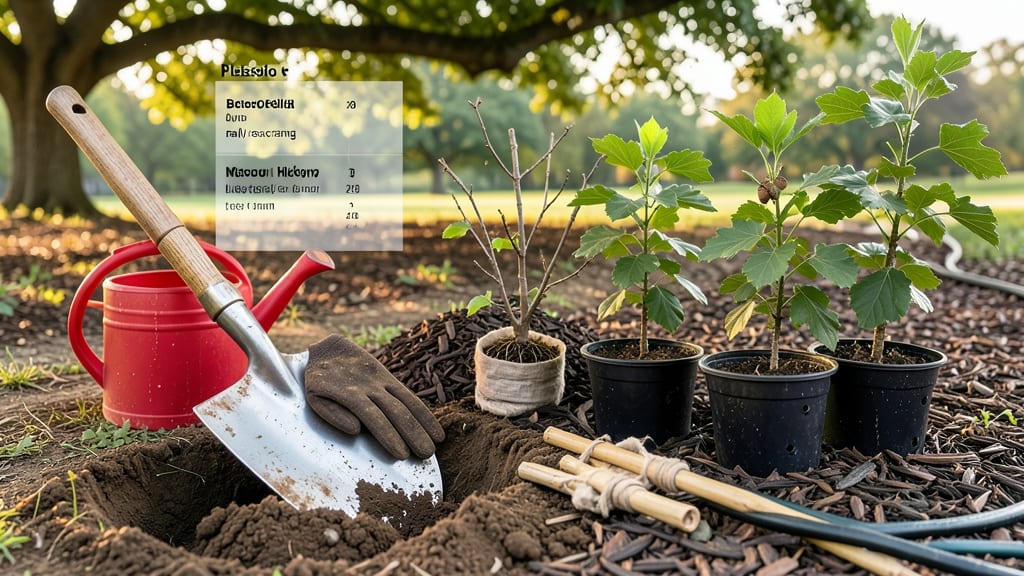
Planting a tree in Missouri at the wrong time can mean the difference between a thriving 🌳 and a struggling sapling fighting for survival. The best time to plant trees in Missouri hinges on two critical factors: soil warmth and avoiding frost, which can shock young roots and stunt growth.
Most gardeners in zones 5b-6b swear by early spring (March-April) or fall (October-November) as the ideal windows—when soil temperatures hit 50-60°F and frost-free days stretch ahead. But timing isn’t one-size-fits-all; fast-growing species like red maples adapt better to spring, while hardy oaks thrive when planted in fall.
Why does this matter? Because getting it right means stronger root systems, faster establishment, and trees that outlive their 10-year average lifespan. I’ll break down the science behind Missouri’s frost dates, soil prep secrets, and species-specific strategies so you can plant with confidence.
Ready to turn your backyard into a thriving forest? Let’s dive into the exact windows, tools, and tricks that’ll give your trees the best possible start—no guesswork required.
Missouri tree planting timeline by hardiness Zone (soil temp & frost dates)
Missouri spans USDA hardiness zones 5a through 7a, meaning frost dates and soil temperatures vary dramatically from north to south. Planting at the wrong time—like when soil is still frozen or when late frosts threaten—can kill young roots before they establish.
The key is timing your planting when soil reaches 50-60°F and the risk of frost has passed for 6-8 weeks.
For northern Missouri (zones 5a-5b), this window is tight: aim for early May or late September to avoid early frosts. Southern Missouri (zones 6a-7a) has a longer window, but even there, planting in mid-April or October ensures roots have time to harden before winter.
My rule of thumb? Plant when you can stick your hand 6 inches into the soil without hitting ice.
Here’s how Missouri’s zones break down for ideal planting:
Pro tip: Use a soil thermometer to check depth—roots need warmth at 6 inches deep. In Missouri’s clay-heavy soils, this can take longer to warm up in spring.
If you’re in doubt, err on the side of fall planting—cooler temps mean less stress on the tree as it establishes.
Missouri’s fall planting window is often overlooked but ideal for hardwoods like oak and hickory. These trees enter dormancy naturally, allowing roots to grow undisturbed until spring. For evergreens like pine or spruce, stick to early spring to avoid winter desiccation from dry winds.
One common mistake? Planting bare-root trees in summer. Their roots dry out quickly in Missouri’s heat. If you must plant in summer, choose container-grown trees with established root balls and mulch heavily to retain moisture.
My go-to summer backup? Plant fast-growing species like red maple or silver maple—they tolerate transplant shock better than oaks or pines.
For container-grown trees, the rules are more flexible. You can plant them year-round except in winter, but avoid extreme heat (above 90°F) or cold (below 20°F). If you’re planting in late summer (August-September), water deeply every 3–5 days to compensate for high evaporation rates.
Missouri’s microclimates add another layer of complexity. Urban areas like St. Louis (zone 6b) can be 5–10°F warmer than rural areas, delaying frost dates. Use local weather data from Missouri Climate Center or your county extension office to fine-t
Best trees for Missouri’s planting seasons (spring vs. fall strategies)
Missouri’s two prime planting windows—spring and fall—offer distinct advantages for tree growth. Spring planting (March-April) gives young roots time to establish before summer heat arrives, while fall planting (October-November) lets trees settle before winter dormancy. Your choice depends on the tree species and your region’s last frost date.
Fast-growing deciduous trees like red maple or silver maple thrive when planted in early spring.
Their roots grow aggressively in warm soil, but they need consistent moisture during Missouri’s dry summers. Evergreens, including pine and spruce, prefer fall planting because their shallow root systems benefit from cooler temperatures and winter moisture.
Here’s how each season stacks up for Missouri gardeners:
Spring Planting (March-April) vs. Fall Planting (October-November)
- ✅ Pros: Long growing season for root establishment
- ✅ Ideal for fast-growing species (e.g., willow, poplar)
- ✅ Avoids drought stress in summer
- ⚠️ Cons: Early planting risks frost damage
- ⚠️ Requires consistent watering during dry spells
- ✅ Pros: Cooler temps reduce transplant shock
- ✅ Best for hardy species (e.g., oak, hickory, pine)
- ✅ Winter moisture aids root growth before spring
- ⚠️ Cons: Late planting may not establish roots before freeze
- ⚠️ Soil prep needed to avoid compacted ground
For USDA Zone 5b-6a (northern Missouri), prioritize fall planting for oaks, maples, and fruit trees. In Zone 6b-7a (southern Missouri), spring planting works well for faster-growing species like redbud or dogwood.
Always check your local last frost date—Missouri’s ranges from April 1-15 in the north to March 15-April 1 in the south.
Pro tip: Container-grown trees can be planted year-round (except winter), giving you flexibility. Bare-root trees, however, must be planted during their dormant season—spring for most species, fall for evergreens. Mulch heavily (3-4 inches) after planting to retain moisture and regulate soil temperature.
Missouri’s clay-heavy soils can stress young trees, so amend with compost or organic matter before planting. Whether you choose spring or fall, timing your tree planting right ensures stronger roots and healthier growth for decades to come. 🌳