
Plants
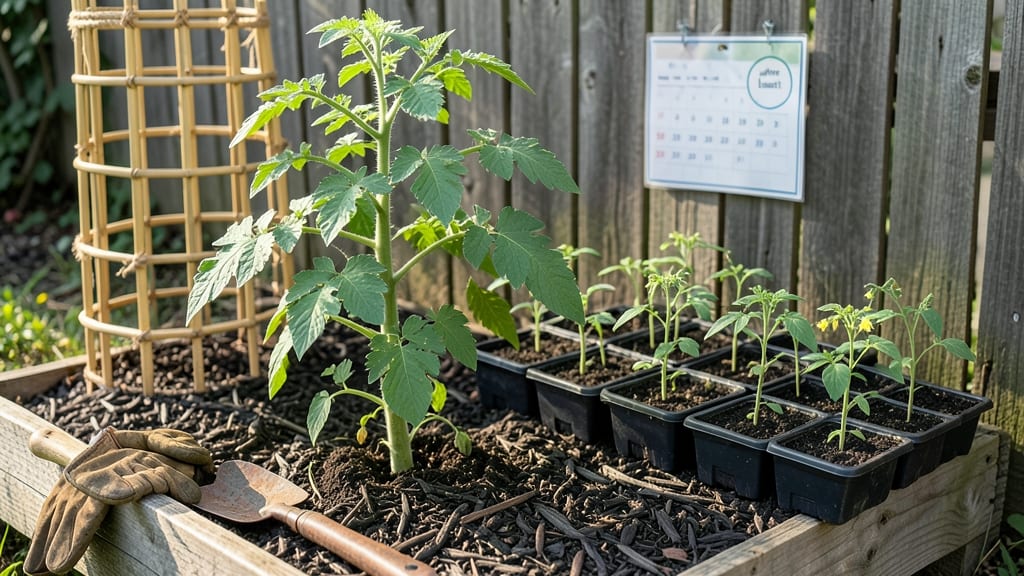
When is the best time to plant the tomatoes in Indiana? isn’t just about the calendar—it’s about outsmarting unpredictable frosts and heatwaves that can make or break your harvest. The best time to plant isn’t one-size-fits-all, but with Indiana’s USDA Zone 6a climate, you’ve got a 30-day window (April 15–May 15) where soil warmth and frost-free skies align perfectly for strong starts.
Here’s the catch: Plant too early, and a late frost could turn your seedlings into sad, wilted snacks. Too late, and you’ll miss the sweet spot for 60°F soil—the magic temperature where roots take off like a rocket.
Whether you’re in northern Indiana’s cooler pockets or southern areas with earlier springs, I’ll show you how to read your microclimate like a pro.
We’ll break down exactly when to pop those seedlings in the ground (spoiler: it’s not just about the date), how to prep your soil for tomato success, and which varieties thrive in your zone.
Plus, I’ll share my go-to tricks for beating Indiana’s unpredictable weather, so you can go from seedling to salad in record time.
Ready to turn your garden into a tomato powerhouse? Let’s dive into the science—and the secrets—behind planting tomatoes the way Hoosiers do it best.
Indiana’s frost-free deadlines & soil temperature requirements for tomatoes
Indiana’s USDA zones 5-7 create a 3-week window for planting tomatoes, but timing depends on soil temperature and last frost dates. Northern Indiana (Zone 5) faces earlier frosts, while southern areas (Zone 7) enjoy longer growing seasons.
The ideal soil temperature for planting is 55-65°F, with roots establishing best at 60°F+.
Most Indiana gardeners experience their average last frost between April 15-30, but microclimates near lakes or valleys can shift this by 1-2 weeks. For example, Evansville (Zone 6b) typically warms up 2 weeks earlier than Gary (Zone 5b).
Always verify your local plant heat maps from the USDA or Purdue Extension for precision.
🌱
| Indiana Zone | Avg. Last Frost | Ideal Planting Window | Soil Temp. Threshold | Backup Date |
|---|---|---|---|---|
| Zone 5 (North) | April 25 | May 1-15 | 60°F+ | May 30 (with row covers) |
| Zone 6a (Central) | April 15 | April 25-May 10 | 55°F+ | May 15 (cold frames) |
| Zone 6b/7 (South) | April 1 | April 10-25 | 50°F+ | May 1 (late varieties) |
To test your soil temperature, use a soil thermometer buried 2 inches deep. If readings are below 55°F, delay planting or use black plastic mulch to warm the soil 2-3°F faster. Tomatoes planted in cooler soil struggle to establish roots, leading to blossom drop or stunted growth.
🌡️
For container gardening, aim for soil temps of 65°F+ since pots cool faster. Place containers near south-facing walls or use heat mats for 2-3 weeks post-planting.
In Zone 5, start seeds indoors by March 1 to transplant hardened-off seedlings by May 1, ensuring they mature before the first frost (Oct 15).
Use Purdue Extension’s frost maps to track real-time updates, as 2023’s late spring proved even Zone 6 areas faced May frosts. Pro tip: Plant fast-maturing varieties like ‘Early Girl’ (60 days) in Zone 5 for guaranteed harvests.
☀️
If your area experiences unpredictable frosts, opt for heat-loving varieties like ‘Celebrity’ or ‘Solar Fire’, which tolerate warmer soils and produce fruit faster. Pair them with row covers for 2-3 weeks post-planting to create a 5°F warmer microclimate.
Always monitor local weather forecasts the week before planting—Indiana’s “April snow” can delay your schedule by 10-14 days. For Zone 7, you can even plant late-season varieties like ‘Brandywine’ (85 days) in early June for a fall harvest.
🌱
Indiana’s frost-free deadlines & soil temperature requirements for tomatoes
Indiana’s USDA zones 5-7 create a 3-week window for planting tomatoes, but soil temperature and last frost dates determine success. Zone 5 gardeners (northern Indiana) face earlier risks than Zone 7 (southern Indiana), where summers stretch longer. The key? Wait until soil reaches 55-65°F—cold soil stunts roots.
Most Indiana counties experience their average last frost between April 15 (Zone 5) and May 1 (Zone 7). However, microclimates near lakes or urban areas can shift this by 1-2 weeks.
Check Purdue Extension’s Indiana Plant Heat Map for your exact location—it’s your best tool for real-time adjustments.
| Zone | Avg. Last Frost | Ideal Soil Temp | Planting Window |
|---|---|---|---|
| Zone 5 (Northern IN) | April 15 | 55-60°F | April 22–May 10 |
| Zone 6 (Central IN) | April 22 | 58-63°F | April 29–May 15 |
| Zone 7 (Southern IN) | May 1 | 60-65°F | May 8–May 22 |
Use a soil thermometer ($10 at garden centers) to confirm readiness—60°F+ is non-negotiable for tomato roots. If your soil is cold, opt for cold-hardy varieties like ‘Stupice’ or ‘Mountain Merit’, which tolerate 45°F soil briefly. For Zone 5, these buy you 2-3 extra weeks of planting flexibility.
Pro tip: Mulch heavily (straw or black plastic) after planting to warm soil faster and preserve moisture. In Zone 5, this can extend your harvest by 10-14 days compared to unmulched beds. Pair this with row covers for an extra 2-4°F buffer against late frosts.
Don’t rely on calendar dates alone—Indiana’s 2023 late frost in early May wiped out 30% of Zone 6 gardens. Instead, combine 3 data points: your local last frost average, soil temperature, and plant heat maps.
For example, Evansville (Zone 7) can plant 2 weeks earlier than South Bend (Zone 5), even if both use the same calendar.
For Zone 5 gardeners, consider successive planting of fast-maturing varieties (e.g., ‘Early Girl’ at 55 days) every 2 weeks from late April through early June. This stretches your harvest from July to September, maximizing your 165 frost-free days.