
Plants
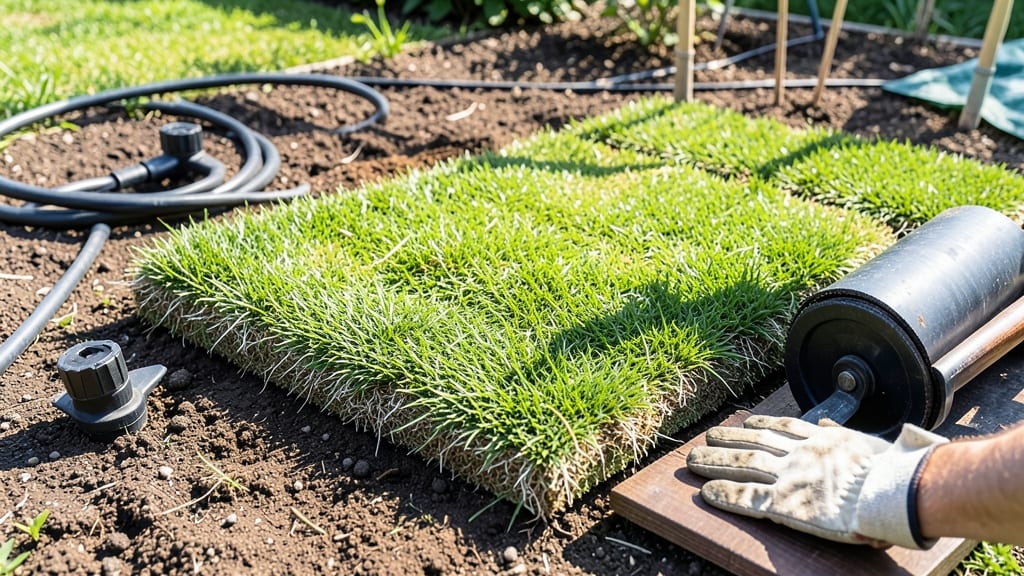
When is the best time to plant sod in Texas? Timing your sod installation isn’t just about picking a month—it’s about catching that perfect cool-season window when your 🌱 lawn can establish deep roots before summer’s brutal heat shuts down growth.
Most homeowners assume spring planting is ideal, but Texas' extreme heat and drought conditions make fall the smarter choice for most regions. We're talking about soil temps between 60-75°F, which gives your new sod the 6-8 weeks it needs to root before summer arrives.
Whether you're in North Texas' 8a zone or South Texas' 10b climate, the wrong timing can mean weak roots, brown patches, and wasted money. I'll show you exactly when to plant in your specific area—and how to adjust for urban heat islands or drought-prone counties.
Ready to transform your yard from patchy to picture-perfect? Let's dive into the Texas-specific planting schedule that actually works, not just the generic advice you'll find elsewhere.
Optimal Texas sod planting windows by region: cool-season timing for perfect root growth
Texas' diverse climate means your sod's success hinges on regional timing. North Texas (USDA Zones 7b-8a) has cooler springs and earlier falls, while South Texas (Zones 9a-10b) demands later spring and earlier fall planting to avoid summer stress.
The golden window? Soil temperatures between 60-75°F—when roots establish before summer's brutal heat.
For North Texas, aim for late February to April (spring) or September to early November (fall). Central Texas (Zones 8a-9a) shifts slightly: March to May or September to October. South Texas gardeners should plant in April-May or September—any later risks heat shock before roots take hold.
Timing isn't just about months—it's about avoiding extremes. Planting in June-August means battling 100°F+ soil, which burns roots. Even December can be risky in frost-prone areas like North Texas, where cold snaps can stall growth.
Here’s how Texas’ three regions break down for sod success:
| Region | Best Planting Months | Soil Temp Threshold (°F) | Key Risk to Avoid |
|---|---|---|---|
| North Texas | Late Feb-Apr, Sep-Early Nov | 60-75°F | Late frosts (Feb-Mar) or summer heat (May-Jun) |
| Central Texas | Mar-May, Sep-Oct | 65-75°F | April heat spikes (90°F+ soil) |
| South Texas | Apr-May, Sep | 70-75°F | Summer drought stress (Jun-Aug) |
🌱 Pro Tip: Use a soil thermometer to confirm temps before planting—don’t guess!
Fall planting often yields healthier sod because cooler temps slow evaporation, letting roots penetrate 6-8 inches deep before winter. Spring planting? Rush to beat summer—April showers help, but May heat can dry out new sod faster than you can water.
Texas’ urban heat islands (like Houston or Dallas) add complexity. City lawns can be 10°F hotter than rural areas, so adjust planting 1-2 weeks earlier in spring or later in fall to align with cooler microclimates near trees or shade structures.
For drought-prone areas (West Texas, Hill Country), prioritize deep watering schedules post-planting. Even with perfect timing, clay-heavy soils retain moisture poorly—amend with compost to improve drainage and root access.
Remember: Sod isn’t seed. It needs immediate moisture to bond with soil. Planting on a 75°F day in June? Roots will bake before they sprout. Stick to the cool-season window, and your lawn will thank you with lush, deep roots by summer.
🌿
Critical factors beyond timing: soil prep, watering, and Texas-specific challenges
Texas lawns thrive when you nail the soil prep before sod arrives. Most Texas soils are clay-heavy or compacted, which means poor drainage and shallow roots. I always test my soil pH first—aim for 6.0-7.0—because sod struggles in acidic or alkaline extremes.
A simple soil test kit from your local extension office costs $20 and saves you from wasted sod.
Next, loosen the top 6-8 inches of soil with a rototiller or garden fork. Breaking up compaction lets roots penetrate deeper, which is critical in Texas' shallow topsoil. Spread 2-3 inches of compost over the area and mix it in—this improves drainage and holds moisture better than native clay.
For urban areas with heat islands, add a mulch layer afterward to keep roots cool.
⚠️ Texas-Specific Pitfalls to Avoid
- Planting too late: Sod laid in June-August often bakes in 100°F+ heat, leading to root desiccation.
- Overwatering: Clay soils hold too much moisture, causing fungal diseases like brown patch.
- Skipping soil test: Texas soils vary—North Texas is limestone-based, while South Texas is sandy.
Pro Tip: Water deeply 2x/week in summer instead of daily shallow watering to encourage deep roots.
Watering is where most Texas homeowners fail. New sod needs 1-1.5 inches of water daily for the first 2 weeks, but I’ve seen sod die from overwatering just as often as underwatering.
Use a rain gauge or tuna can to measure—your sprinkler likely over-applies. For drought-prone areas like West Texas, switch to drip irrigation to reduce evaporation.
After the initial 2 weeks, reduce to 3x/week deep watering—this forces roots to grow downward. In summer months, water early morning (4-8 AM) to prevent fungal growth from evening moisture. If your area has water restrictions, group watering days with neighbors to stay compliant.
Don’t forget about fertilizer timing. Apply a starter fertilizer (16-4-8 NPK) right after planting, then wait 6-8 weeks before a second feeding.
In North Texas, a winter fertilizer in December helps sod survive cold snaps, while South Texas lawns benefit from a light feed in February to prep for summer.
For urban heat islands, consider shade cloth during the first month if your lawn gets >6 hours of direct sun. Even Bermuda grass, Texas’ toughest variety, wilts under 110°F+ without proper care.
Shade cloth reduces stress while roots establish—just remove it after 4-6 weeks to avoid etoliation (weak, leggy growth).