
Plants
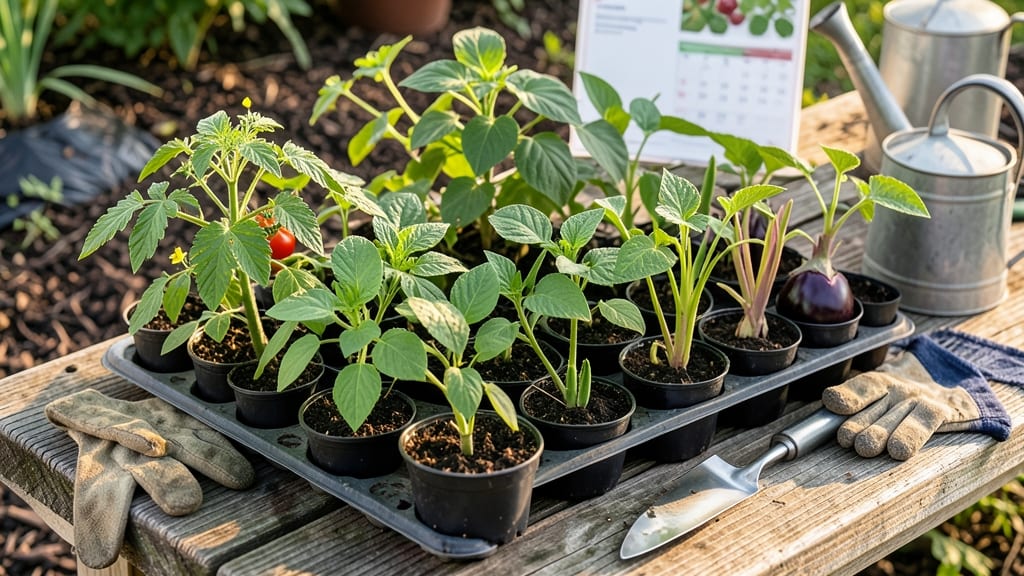
If you’ve ever watched your vegetables bolt in the Florida heat or struggled to keep flowers blooming, you’re not alone—when is the best time to plant in Florida isn’t just about seasons; it’s about heat zones, humidity triggers, and avoiding frost surprises that can wipe out your garden overnight.
Florida’s 11 distinct climate zones mean what works in North Florida (like cooler spring starts) fails in South Florida’s year-round warmth. I’ll break down the exact months to plant everything from tomatoes to tropicals—plus how to stretch your growing season with shade tricks and mulching hacks that actually work.
Whether you’re a first-time gardener or a veteran who’s lost crops to unexpected heat waves, this guide cuts through the guesswork. You’ll learn which crops thrive in summer’s scorching sun (hint: okra and sweet potatoes love it) and which need spring’s cooler soil to take root without wilting.
Ready to turn your garden into a zero-bolt success? Let’s dive into the heat-zone map that’ll keep your plants happy—and your harvests bountiful—all year long.
Florida’s planting heat zones: best months by region
Florida’s unique microclimates mean what works in North Florida (like Jacksonville) fails in South Florida (like Miami). The state spans USDA Zones 8a-11, with no frost in most areas—but heat and humidity still dictate planting windows.
Let’s break down the ideal months for vegetables, flowers, and tropical plants by region.
For North Florida (Zones 8a-9a), your cool-season window is tight—just November to March. This is prime time for leafy greens and root vegetables like carrots and beets. Meanwhile, South Florida (Zones 10a-11) can plant year-round, but summer heat (June-August) stresses heat-sensitive crops like tomatoes and peppers.
Here’s the key rule: Plant cool-season crops when daytime highs stay below 85°F and warm-season crops when soil temps hit 60°F+. Use these monthly guides to align with Florida’s humidity triggers and rainfall patterns.
In North Florida, your fall planting window (September-October) is critical for cool-season vegetables. Think kale, spinach, and carrots—these thrive when daytime temps drop below 80°F.
Meanwhile, Central Florida can stretch this window into early November, while South Florida gardeners can plant greens year-round with shade cloth.
For warm-season crops, timing is everything. In North Florida, start tomatoes and peppers in February for an early harvest before summer heat sets in. In South Florida, you can plant year-round, but shade cloth (30-50%) helps protect heat-sensitive greens during peak summer.
Don’t overlook tropical plants like bananas or citrus. These thrive when planted in spring (March-April) when rainfall increases and humidity rises. Avoid planting bare-root tropicals in summer—they’ll struggle with drought stress.
One common mistake? Planting cool-season crops too late. By April, even North Florida soils can hit 90°F+, causing bolting in lettuce or bitter flavors in radishes. Use row covers or shade tents to extend your spring planting by 2-3 weeks.
For flowers, timing varies. Annuals like marigolds or petunias love spring planting (March-April), while perennials like hibiscus or plumbago can go in year-round in <
How to avoid common planting mistakes in Florida’s climate
Florida’s humid heat and unpredictable weather make it easy to plant at the wrong time—or worse, make mistakes that stifle growth. I’ve seen tomatoes bolt in July or squash rot from too much summer rain, all because of avoidable errors.
The key? Understanding soil heat, humidity triggers, and heat-sensitive crops before you even dig your first hole.
One of the biggest mistakes is planting too late for fall crops. Many gardeners wait until September to sow greens, but by then, short days and rising temperatures signal the plants to bolt before they mature.
Instead, start cool-season crops like lettuce and radishes in early August for a fall harvest. Another common pitfall is overwatering in summer, which leads to fungal diseases like powdery mildew.
Florida’s high humidity means plants need less frequent but deeper watering—aim for early morning to reduce evaporation and disease risk.
Here’s the hard truth: Heat-loving plants (like okra, sweet potatoes, and peppers) thrive in Florida’s summer, but cool-season crops (broccoli, cabbage, carrots) struggle if planted after mid-August. Even tropical plants like hibiscus can wilt if their roots stay too wet during hurricane season.
The solution? Mulch heavily with straw or pine needles to keep roots cool and use shade cloth for delicate seedlings.
⚠️ 3 Planting Mistakes That Kill Florida Gardens
- Ignoring soil heat: Test soil temperature—below 60°F stalls growth, above 90°F burns roots. Use a soil thermometer!
- Planting heat-sensitive seeds too early: Basil and cucumbers bolt if sown before April 15 in North Florida.
- Skipping mulch in summer: Without mulch, topsoil dries out and weeds steal nutrients—costing you 30% less yield.
🌡️ Pro Tip: Wait until soil warms to 70°F+ for tomatoes and peppers to avoid blossom-end rot.
Another critical error? Not adjusting for Florida’s microclimates. A Panhandle garden in Zone 8a can handle tomatoes in March, while Miami’s Zone 10b gardeners plant year-round. Check your frost-free dates: North Florida’s last frost is mid-January, but South Florida’s never drops below 32°F.
This means spring planting starts 2 months earlier in the Keys than in Tallahassee.
To future-proof your garden, start with heat-resistant seeds. Varieties like ‘Celebrity’ tomatoes, ‘Black Beauty’ eggplants, and ‘Georgia Southern’ peppers are bred to handle Florida’s heat and humidity. Pair them with drip irrigation (not sprinklers) to keep foliage dry and reduce fungal risk.
And always harden off seedlings for 7–10 days before transplanting—Florida’s sudden rain showers can shock tender plants.
Finally, don’t underestimate the power of succession planting. Instead of sowing all your bush beans at once, stagger plantings every 2 weeks from March to September. This ensures a continuous harvest and maximizes space.
For fall crops, use row covers to extend the season—spinach and kale can survive until December with protection.
By avoiding these mistakes, you’ll double your yield and save hours of frustration. The secret? Plan like a pro, adapt to Florida’s quirks, and never skip the mulch. Your garden will thank you with bigger blooms, sweeter tomatoes, and fewer headaches—no matter the season. 🌱✂️💧