
Plants
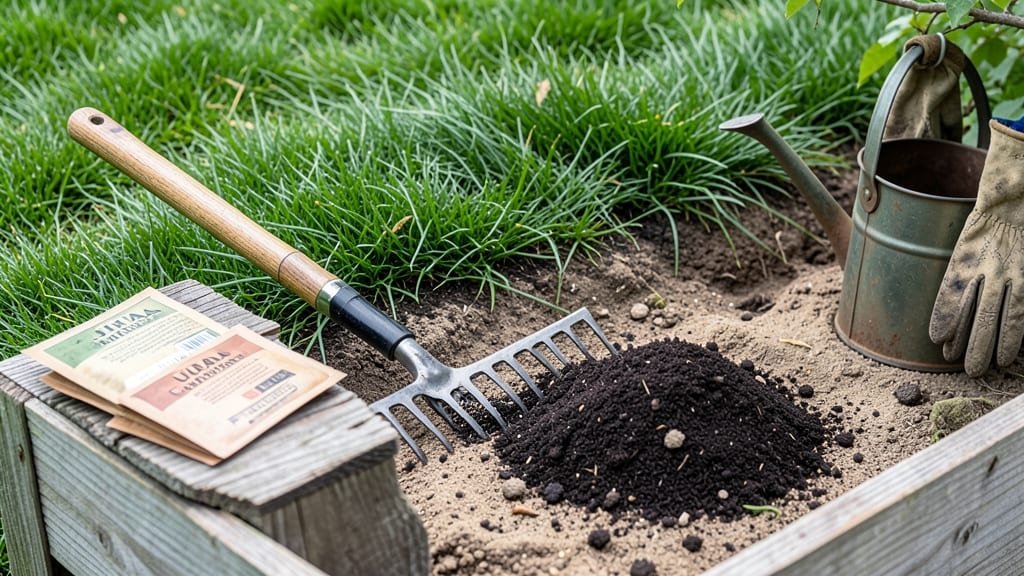
If you’ve ever stared at a patchy lawn in Utah and wondered when is the best time to plant grass seed, the answer might surprise you: fall isn’t just a backup plan—it’s the secret weapon for deep, resilient roots before winter sets in.
Most Utah gardeners focus on spring planting, but the 50-65°F soil temperatures of September-October create perfect conditions for grass seed to germinate without competing weeds or scorching heat. That’s why USDA Zones 5-8 see the best results when they plant early fall, giving grass a head start before frost.
I’ll show you exactly how to time it right for your Utah microclimate—whether you’re in the high desert or mountain areas—plus the 3-step checklist that turns seed into a lush lawn by spring. Let’s make your grass the envy of the neighborhood.
No more guessing games: the science, the timing, and the Utah-specific tricks are all ahead. Ready to plant with confidence?
Why fall is the optimal time to plant grass seed in Utah (and how to avoid spring mistakes)
Utah’s cool fall temperatures and increased rainfall create the perfect conditions for grass seed to establish deep roots before winter. Unlike spring planting, fall offers lower weed competition and consistent soil moisture, giving your lawn a head start.
The key window is September through mid-October, when soil temps hover between 50-65°F—ideal for germination.
Spring planting in Utah often fails because hot, dry winds and rapid evaporation stress young seedlings. Fall planting avoids these issues by letting grass develop strong root systems before winter dormancy.
In USDA Zones 5-8, this means targeting late September in northern Utah and early October in southern regions like St. George.
Here’s why fall outperforms spring in Utah’s climate:
| Factor | Fall Advantage | Spring Risk |
|---|---|---|
| Soil Temperature | 50-65°F (ideal germination) | 70°F+ (stresses seedlings) |
| Moisture Retention | Higher rainfall, cooler air | Rapid evaporation, drought stress |
| Weed Competition | Weeds dormant or slow-growing | Weeds germinate first, outcompete grass |
| Root Development | 6+ weeks before frost | Limited time before summer heat |
Utah’s microclimates demand adjustments: High desert areas like Moab should plant by mid-September, while mountain regions (e.g., Park City) can extend to late October. Test soil temps with a soil thermometer—aim for 60-65°F at 4-inch depth for optimal results.
Even in fall, late planting risks include early frosts and reduced root growth. If you miss the September-October window, consider sod instead or wait until early spring (March-April). Pro tip: Cover seed with straw to protect from late-season wind and temperature swings.
For Wasatch Front gardeners, focus on Kentucky bluegrass or fine fescue—both thrive when planted in early fall. In southern Utah, tall fescue handles later planting better due to its drought tolerance. Always choose Utah-adapted seed mixes labeled for your region.
Spring planting isn’t impossible, but it requires extra watering and shade cloth to protect seedlings. Fall’s natural moisture and cooler temps do 80% of the work for you.
Think of it as giving your lawn a free head start—just plant before the first hard frost (typically mid-October in most areas).
One common mistake is overwatering in fall. Utah’s cool nights slow evaporation, so water deeply but less frequently—aim for 0.5 inches per week once germination starts. Use a rain gauge to track moisture and avoid waterlogging, which suffocates roots.
To maximize success, test your soil’s pH (ideal: 6.0-7.0) and amend with compost before planting. Fall’s mild temps make soil prep easier than spring’s dry, compacted ground. With the right timing, your Utah lawn will emerge thicker and greener next spring—no guessing game required. 🌱
Utah-specific grass seed varieties and their ideal fall planting windows
Choosing the right grass seed variety for Utah’s diverse climate is half the battle. Cool-season grasses like Kentucky bluegrass and tall fescue dominate Utah lawns because they thrive in our 50-65°F soil temperatures during fall.
Warm-season options like Bermuda grass are better for southern Utah’s heat, but they need late spring planting—not fall.
For most Utah gardeners, September-October is the sweet spot. This window ensures seeds germinate before first frost (October 15) but avoid summer’s scorching heat. High-elevation areas (like Park City) can push planting to mid-October, while low desert regions (like St. George) should aim for early September.
The key is matching your grass type to your microclimate. Tall fescue handles Utah’s drought better than Kentucky bluegrass, while fine fescue is ideal for shady spots. Each variety has a 3-week germination window, so timing is everything.
| Variety | Best Fall Planting Window | Utah-Specific Notes |
|---|---|---|
| Kentucky Bluegrass | Mid-Sept to early Oct | Needs consistent moisture; best for Wasatch Front |
| Tall Fescue | Late Aug to mid-Oct | Drought-tolerant; ideal for high desert |
| Fine Fescue | Sept to early Oct | Shade-tolerant; perfect for mountain areas |
| Bermuda Grass | Not recommended for fall | Warm-season; plant in late spring only |
Late fall planting (after October 15) is risky but possible with cold-hardy varieties like tall fescue. If you miss the ideal window, use a lightweight mulch to insulate seeds from early frost. Just remember: soil temperature, not air temperature, determines success.
Pro tip: Test your soil’s pH (6.0-7.0 ideal) before planting. Utah’s alkaline soils often need sulfur amendments to create the perfect seedbed. A simple test kit (under $20) saves you from wasted seed and effort.
Now that you’ve picked your variety, the next step is prepping your soil—and that’s where Utah’s dry climate throws a curveball. Stay tuned for my step-by-step fall planting