
Plants
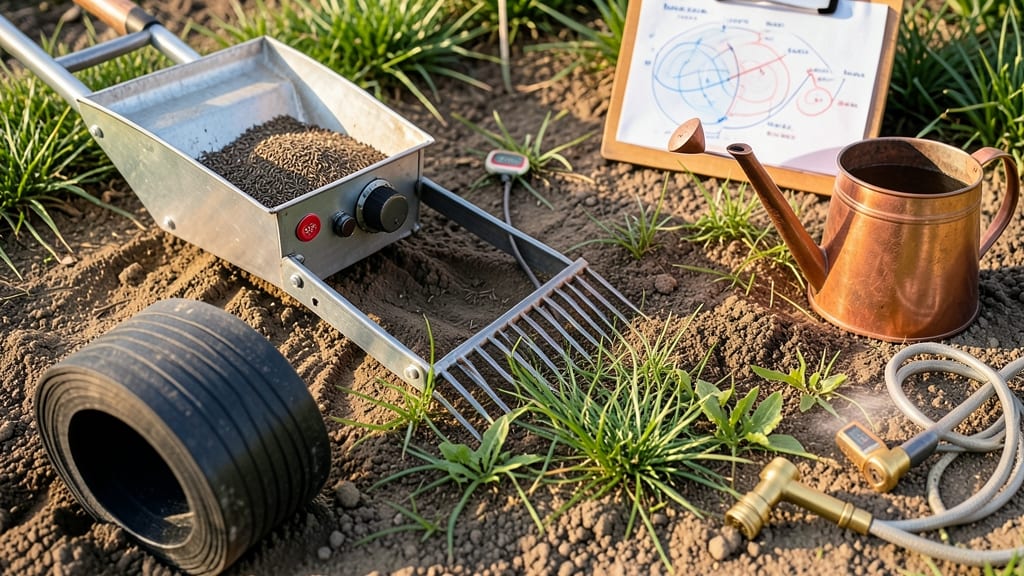
The best time to plant grass seed in Oregon isn’t just about checking a calendar—it’s about reading your local microclimate like a pro. Whether you’re in the rainy Willamette Valley or the drier high desert, timing matters more than you think. Plant too early, and frost or weeds steal the show; too late, and summer heat turns your lawn into a crispy desert. Let’s cut through the guesswork so you can grow that lush, green carpet Oregon lawns are famous for.
Oregon’s 7b-9a climate zones mean your neighbors might be planting while you’re still shoveling snow—or vice versa. The sweet spot? Early spring (March-April) or early fall (September-October), when soil temps hover between 50°F and 65°F.
This range gives your 🌱 grass seed the perfect head start, whether you’re seeding a new yard or repairing bare patches. But here’s the kicker: coastal areas and inland zones play by slightly different rules.
Why does this matter? Because skipping the right window means battling weeds, drought stress, or frost damage before your grass even gets a chance to root.
I’ll walk you through Oregon-specific tricks—like testing soil temperature, picking the right seed mix for your zone, and post-planting care—to turn your lawn from “meh” to “wow.” Ready to stop gambling with your grass?
From OSU Extension recommendations to real-world tips from Oregon gardeners, you’ll learn exactly when to plant, what to avoid, and how to keep your new grass thriving. Let’s make your lawn the envy of the neighborhood—starting with the right timing.
Oregon’s ideal grass seed planting windows: cool-season timing explained
Oregon’s cool-season climate creates perfect conditions for grass seed germination during two key windows—early spring and early fall. These periods offer moderate soil temperatures (50°F–65°F) and consistent moisture, which are critical for seedling success.
Missing these windows often means battling drought stress in summer or frost damage in winter.
For most of Oregon, the best planting months are March through April (spring) and September through October (fall).
Coastal regions like Portland and the Willamette Valley can start slightly earlier (late February), while high desert areas like Bend may need to wait until late April or early May to avoid late frost risks.
Timing isn’t just about months—it’s about soil temperature. Use a soil thermometer to confirm the top 2 inches of soil are between 50°F and 65°F.
In Oregon, this typically aligns with late spring after the last frost (usually mid-April) and early fall before the first frost (typically mid-October).
Here’s how Oregon’s three distinct climate zones influence planting timing:
| Climate Zone | Ideal Planting Window | Key Considerations |
|---|---|---|
| Western Oregon (Coastal) | Late February–April, September–October | Higher humidity, milder winters; watch for late spring rains. |
| Willamette Valley | March–April, September–early October | Moderate rainfall; avoid planting after October 15 to prevent frost. |
| Eastern Oregon (High Desert) | Late April–May, September–early October | Drier, hotter summers; irrigation is critical in early fall. |
Spring planting gives seedlings a head start before summer heat, while fall planting allows them to establish deep roots before winter dormancy. Both strategies outperform summer planting, which often leads to dormant seeds or weed competition.
For example, seeding in July or August in Oregon’s USDA Zones 7b–9a typically results in poor germination due to soil temperatures exceeding 75°F.
Pro tip: Check Oregon State University Extension’s frost maps for your specific area. Coastal Oregon (e.g., Astoria) may have 200+ frost-free days, while inland areas (e.g., Bend) average only 120–150 days. Adjust your timeline accordingly to maximize your growing window.
Even within these windows, weekly conditions matter. Aim to plant when rainfall is forecasted for the first 2 weeks post-seeding, or be prepared to water daily (1–1.5 inches per week). Oregon’s Pacific Northwest weather can shift rapidly—don’t let a heatwave or unexpected frost derail your lawn’s progress.
If you’re seeding in shady areas (common in urban Oregon), prioritize fall planting. Cool-season grasses like fine fescue thrive in partial shade and benefit from fall’s lower light intensity. For sunny lawns, Kentucky bluegrass or tall fescue planted in spring will outcompete weeds more effectively.
Remember: Soil prep is 50% of the battle. Whether you’re seeding in March or September, ensure your soil is loose, level, and free of debris. Skipping this step can lead to poor seed-to-soil contact, even with perfect timing.
For a lush, weed-free lawn, align your planting with Oregon’s cool-season rhythm. Spring and fall are your allies—use them wisely to turn bare patches into a thick, green carpet before winter sets in. 🌱
Oregon’s ideal grass seed planting windows: cool-season timing explained
Oregon’s cool-season climate creates two prime windows for planting grass seed: early spring (March-April) and early fall (September-October). These periods align with soil temperatures between 50°F and 65°F, the sweet spot for germination.
Coastal areas like Astoria or Cannon Beach can start as early as February, while high desert regions like Bend or La Grande may wait until late April or early May.
Why these windows? Spring planting lets you capitalize on Oregon’s increased rainfall and lengthening daylight, while fall planting avoids summer heat stress and gives grass roots time to establish before winter dormancy. Missing these windows risks weed competition (spring) or drought stress (summer).
🌱 Key Timing Factors for Oregon:
- Soil Temperature: Use a soil thermometer—ideal range is 50°F-65°F.
- Frost Dates: Coastal areas: Last frost ~April 15; inland: May 1.
- Rainfall: Spring brings consistent moisture; fall offers cooler temps.
| Planting Window | Best For | Soil Temp | Oregon Regions | Pro Tip |
|---|---|---|---|---|
| Early Spring (March-April) | Rapid germination | 50°F-60°F | Coastal, Willamette Valley | Use starter fertilizer for weak spring soil. |
| Early Fall (September-October) | Deep root growth | 60°F-65°F | High desert, inland | Avoid planting if first frost is imminent. |
| Late Summer (August) | Emergency repair | 65°F-75°F | All regions (high risk) | Use shade cloth to reduce heat stress. |
For coastal Oregon, prioritize September planting—milder winters mean grass stays active longer. Inland areas should lean toward April-May to avoid summer drought. Always check OSU Extension’s frost maps for your exact location, as microclimates can shift planting windows by 2-4 weeks.
Pro move: Test your soil’s moisture retention before planting. Oregon’s clay-heavy soils (common in the Willamette Valley) can suffocate grass roots if not amended with compost or sand.
A simple percolation test—dig a 6-inch hole, fill with water, and time how long it drains—reveals if your soil needs help.
Remember, consistency beats perfection. Even if your timing isn’t perfect, focus on watering deeply and keeping soil moist for the first 30 days. That’s when your grass seed either thrives or throws in the towel—literally. 🌱