
Plants
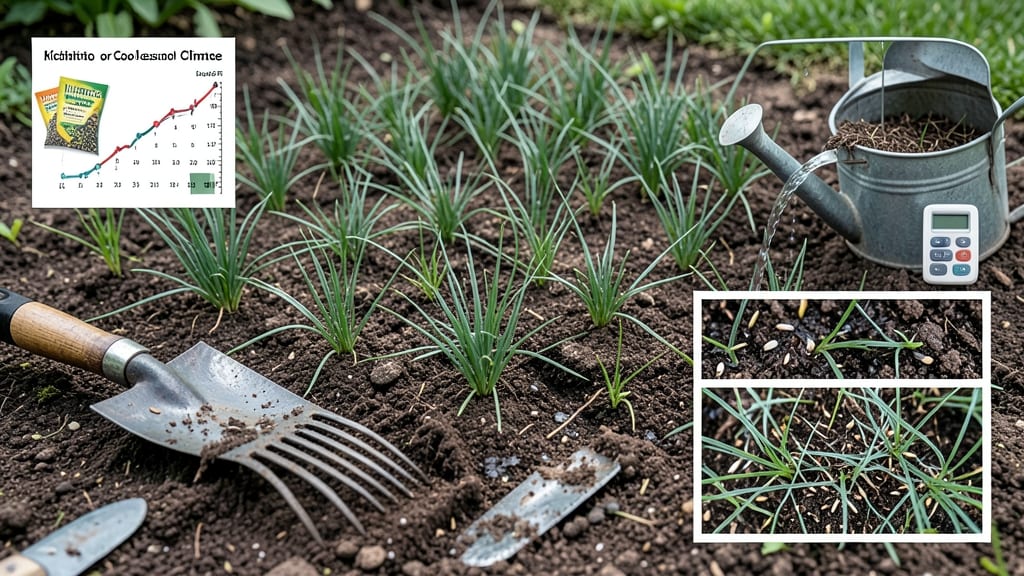
If you’ve ever wondered when it is too late to plant grass seed in Michigan and stared at a half-empty bag in October, you’re not alone. The answer depends on your Michigan hardiness zone—because planting too late can mean winter kill or a weak lawn next spring.
For zones 5b-6b, the cutoff isn’t just about dates but soil temperature and frost risk.
Most Michigan gardeners aim to plant grass seed by mid-September in the south or early October in the north, but late plantings can still work with the right approach.
The key is choosing frost-resistant varieties and preparing your soil properly. I’ll break down exactly when to stop planting in your zone—and how to salvage a late-season lawn.
Why does this matter? Because a rushed planting can leave your lawn vulnerable to winter damage or slow germination in cold soil. Let’s cut through the guesswork so you can make the best call for your yard before the first frost hits.
You’ll discover the exact deadlines by zone, the best grass types for late planting, and simple tricks to give your seed the best shot at survival. No more second-guessing—just a stronger lawn next season.
Michigan’s last safe grass seed planting dates by hardiness zone (2024 guide)
Michigan’s USDA hardiness zones 4a-6b create dramatic differences in frost timing—from the Upper Peninsula’s harsh zone 4a to Detroit’s milder zone 6a. Planting grass seed too late risks winter kill, but knowing your zone’s soil temperature thresholds and first frost averages lets you push boundaries safely.
For most of Michigan, the last safe planting window closes in early October, but exceptions exist for cold-hardy varieties.
Cool-season grasses like Kentucky Bluegrass and Tall Fescue dominate Michigan lawns because they establish quickly in 50-60°F soil—ideal for late-summer/early-fall planting. Warm-season grasses (e.g., Zoysia) are rare in Michigan’s climate but can extend deadlines by 2-3 weeks in southern zones.
Always check your local frost date averages using the USDA Plant Hardiness Zone Map.
📌 PRO TIP: Use a soil thermometer to confirm temperatures stay above 50°F for at least 4-6 weeks after planting. Cold soil slows germination to a crawl, leaving seeds vulnerable to fungal diseases and winter desiccation.
| Zone | Last Safe Planting Date | Soil Temp Threshold (°F) | First Frost Avg. | Best Grass Types |
|---|---|---|---|---|
| 4a (UP, Northern MI) | Mid-September | 50-55°F | Oct 10-15 | Fine Fescue, Creeping Red Fescue |
| 5a (Traverse City, Grand Rapids) | Late September | 50-58°F | Oct 15-20 | Kentucky Bluegrass, Tall Fescue |
| 5b (Lansing, Kalamazoo) | Early October | 50-60°F | Oct 20-25 | Perennial Ryegrass, Mixes |
| 6a (Detroit, Ann Arbor) | Mid-October | 50-62°F | Nov 1-5 | All Cool-Season Grasses |
| ⚠️ WARNING: Planting after these dates risks winter kill unless you use frost protection (see next section). | ||||
Zone 6a (southern Michigan) enjoys the most flexibility, with some gardeners successfully planting Kentucky Bluegrass as late as October 15—but only if soil stays above 50°F and you mulch heavily with straw.
In contrast, zone 4a (Upper Peninsula) demands earlier deadlines due to earlier frosts and colder soils. Always verify your exact location using the USDA zone finder.
Microclimates matter too! Lawns near large bodies of water (e.g., Lake Michigan) may have 2-3 weeks later frost dates than inland areas. Urban heat islands (like Detroit) can delay first frost by 10 days or more. Use local weather stations (e.g., NOAA) for hyper-local data.
If you’re overseeding an existing lawn, push deadlines by 1-2 weeks because established grass insulates seeds from temperature swings. However, new lawns need 4-6 weeks of growth before winter to survive. Always test soil pH (ideal: 6.0-7.0) and add compost to improve cold tolerance.
For emergency late planting (after the table’s deadlines), use frost cloth or straw mulch (3-4 inches) to insulate seeds. Pair this with warm-season grass varieties like Zoysia (
5 Signs your late grass seed planting will fail (and how to fix it)
Planting grass seed late in Michigan’s fall can backfire if your soil or timing is off. The biggest red flag? Soil temperatures below 50°F—grass seed struggles to germinate when it’s too cold.
Use a soil thermometer to check; if it’s consistently under 50°F for more than a week, your seeds may never sprout. Even frost-resistant varieties like Fine Fescue will sit dormant until conditions improve.
Another warning sign is thin or patchy snow cover after planting. A light dusting of snow can protect seeds, but if your lawn is exposed to freeze-thaw cycles, seeds may heave out of the soil or dry out.
In zones 4a-5a, this happens frequently in November—wait for at least 2-3 inches of consistent snow to insulate your new seeds.
🌱
- Soil temp < 50°F: Seeds won’t germinate. Fix: Use a black plastic mulch or straw to warm soil by 5-10°F.
- No snow cover: Seeds exposed to frost. Fix: Apply straw mulch (1-2 inches) or frost cloth for insulation.
- Weeds sprouting first: Grass seed is outcompeted. Fix: Pre-emergent herbicide before planting to suppress weeds.
- Hard, compacted soil: Poor seed-to-soil contact. Fix: Aerate 2-3 weeks before planting for better root penetration.
- Irregular watering: Seeds dry out or rot. Fix: Water lightly daily (keep soil moist but not soggy) until germination.
If weeds are already sprouting before your grass seed, you’ve missed the window for a thick lawn. Weeds like chickweed or crabgrass germinate faster in cool soil, and once established, they’ll crowd out your new grass.
The fix? Apply a pre-emergent herbicide 2-3 weeks before planting to buy your grass seed time to establish.
Don’t overlook hard, compacted soil—it’s a silent killer for late plantings. If your lawn feels like a concrete slab when pressed, seeds won’t make contact with moisture or nutrients.
Aerate 2-3 weeks before planting to create channels for roots. For high-traffic areas, rent a core aerator to pull out small soil plugs and improve drainage.
Finally, irregular watering is a common downfall. New grass seed needs consistent moisture to germinate, but many gardeners overwater or let it dry out. Water lightly every day (about ¼ inch) until you see sprouts, then gradually reduce to deep watering 2-3 times per week.
Use a sprinkler with a rain gauge to avoid guesswork.
With these fixes, even a late October planting can still yield a dense, healthy lawn by spring. The key is acting fast—once temperatures drop below 40°F at night, your chances of success plummet.
Don’t wait until the first frost to panic; act now if you’re still holding that grass seed bag! ✂️