
Plants
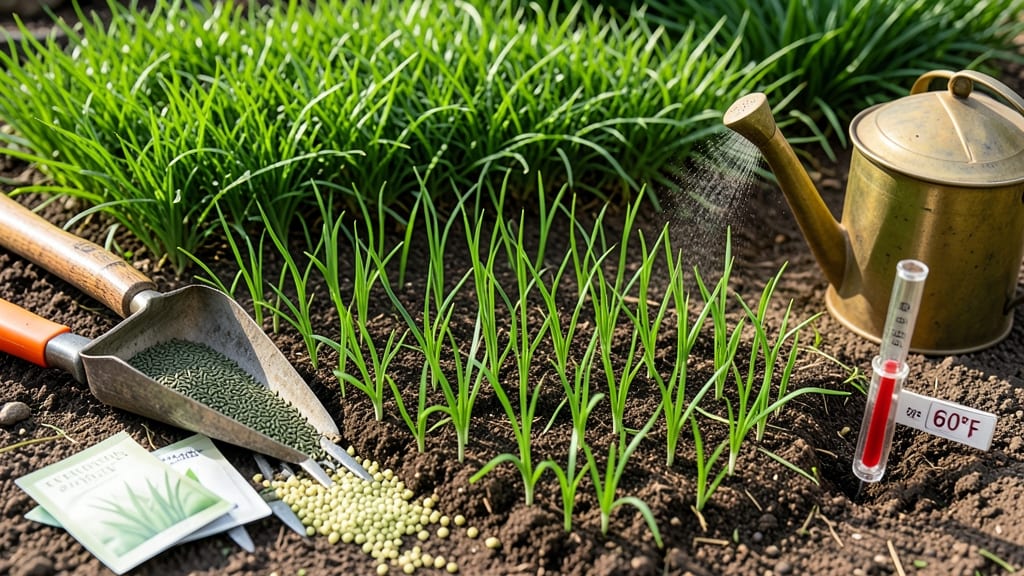
Timing your grass planting perfectly in spring can mean the difference between a lush, green lawn and months of frustration. The wrong move—planting too early when frost lingers or too late when summer heat arrives—often leads to wasted seeds and stunted growth.
For USDA Zone 6 (where most of the U.S. falls), the ideal window opens after the last frost but before soil temperatures climb too high.
Most gardeners overlook a simple soil temperature test that could save them from costly mistakes. Unlike other plants, grass thrives when soil reaches 55–65°F, a range that’s easy to check with just a thermometer or even your finger.
In Zone 6, this typically lands between mid-April and early May, but regional variations mean your exact timing could shift by weeks.
Whether you're overseeding an existing lawn or starting fresh, knowing when to plant grass in spring isn’t just about dates—it’s about understanding your local climate and soil conditions. I’ll walk you through the 3-zone planting timeline, foolproof soil tests, and common pitfalls that could derail your lawn’s success.
Let’s get your grass off to the right start.
Ready to transform your yard? By the end of this guide, you’ll know exactly when to plant grass in your area, how to prepare your soil for maximum germination, and the critical signs that tell you it’s finally time to sow. No more guessing—just a thriving lawn.
The exact soil temperature range for planting grass in spring (and how to test it)
Grass seeds are delicate—plant them too early, and frost will wipe them out; too late, and summer heat will stress young roots. The secret to success lies in soil temperature, not just air temperature.
For cool-season grasses like Kentucky Bluegrass and Fescue, the sweet spot is 50–65°F (10–18°C), while warm-season grasses (Bermuda, Zoysia) thrive when soil hits 65–75°F (18–24°C). But how do you know when your soil is ready without a fancy thermometer?
I’ll show you 5 foolproof methods, including my favorite "finger test" that takes less than 10 seconds.
Most gardeners check the weather forecast for frost dates, but soil temperature lags behind air temperature by weeks—sometimes even months. That’s why planting based on calendar dates alone leads to disappointment.
For example, in Zone 6, air might feel spring-like by March, but soil could still be 40°F (4°C)—far too cold for seeds. The key is testing 2–4 inches deep, where roots will grow. This depth mimics the microclimate where seeds germinate, giving you the most accurate reading.
Here’s the golden rule: Wait until soil warms to at least 50°F (10°C) for cool-season grasses or 65°F (18°C) for warm-season types. Pro tip: Morning soil temps are cooler than afternoon temps, so check mid-morning (9–11 AM) for the most reliable reading.
If you’re in a hurry, a black plastic tarp laid over the soil for 3–5 days can speed up warming by 5–10°F—just remove it before planting to avoid overheating.
My go-to method for testing soil temperature is the "finger test"—just press your finger 2 inches deep into the soil. If it feels warm like a lukewarm bath (not hot or cold), it’s ready for cool-season grass.
For warm-season grasses, the soil should feel hot enough to hold a boiled egg (but not scorching). Another trick? Use a thermometer from your fridge or freezer—they’re cheap and accurate. Stick it in the soil for 10 minutes, then check the reading.
If you’re really old-school, the "potato test" works too: Bury a raw potato for 1 hour, then dig it up. If it’s sprouted, the soil’s too warm for cool-season grass.
Timing isn’t just about temperature—it’s also about moisture. Grass seeds need consistent moisture to germinate, but standing water will drown them. After planting, water lightly twice daily (morning and evening) for 14–21 days, keeping the top ½ inch of soil damp.
Use a sprinkler with a fine mist or a garden hose with a soft spray nozzle to avoid dislodging seeds. Pro move: Mulch with straw (not wood chips) to lock in moisture and protect seeds from birds.
Just ¼ inch max—any thicker, and seeds won’t get enough light to sprout.
One mistake I see all the time? Planting based on air temperature alone. For example, in Zone 5, air might hit 60°F (15°C) by early April, but soil could still be 45°F (7°C)—way too cold for seeds. That’s why I always test soil, not the air.
If you’re in doubt, wait one more week. Patience now means a thicker, greener lawn later. And if you’re overseeding an existing lawn, mow shorter (1–1.5 inches) 2–3 days before planting to give seeds sunlight and soil contact.
For northern climates (Zones 3–5), aim to plant 2–4 weeks after your last frost date. Use a frost calendar from your local USDA office or a free app like PlantSnap to track progress.
In southern climates (Zones 8–10), focus on warm-season grasses and plant when soil hits 70°F+ (21°C+)—usually May–June. If you’re in Zone 6–7, you’ve got flexibility: March–April for cool-season grasses or late summer for overseeding.
The key is soil temp, not the calendar—so grab that finger and get testing!
Spring grass planting timeline by USDA Zone (3-Zone breakdown for fast results)
Timing your grass planting to your USDA hardiness zone is the secret to a lush, healthy lawn. Miss the window, and you risk weak growth, weed invasion, or even total failure.
The best time depends on whether you're planting cool-season grasses (like Kentucky Bluegrass) or warm-season varieties (like Bermuda), but these zone-specific guidelines will help you plant at the perfect moment for your region.
For Zones 3–5, where winters are harsh, your 6-week planting window opens April 15–May 15. This is when soil temperatures finally climb to 50°F (10°C), signaling it’s safe to sow cool-season blends like tall fescue.
Use a soil thermometer or the finger test (press your finger into the soil—if it feels warm but not hot, it’s ready).
3-Zone Spring Planting Calendar (Cool-Season Grasses)
Plant 2–4 weeks after last frost when soil reaches 50°F (10°C). Use cool-season blends like tall fescue.
Aim for soil temps of 55–65°F (13–18°C). Overseed in early spring or late summer for best results.
Spring planting is not recommended—opt for fall or summer instead. Focus on warm-season grasses like Bermuda in May–June when soil hits 70°F+ (21°C+).
If you're in Zones 6–8, your window is wider: March 15–April 30. This gives you flexibility to overseed in early spring (for a head start) or late summer (for fall establishment). For warm-season grasses, wait until May–June when soil temperatures consistently stay above 65°F (18°C).
A quick trick to speed up soil warming? Cover bare patches with black plastic for 7 days before planting—this raises soil temps by 10–15°F faster than waiting for nature.
For Zones 9–10, spring planting is a gamble. Warm-season grasses like St. Augustine or Zoysia thrive in heat, but sowing too early can lead to fungal diseases or seed rot.
Instead, focus on fall planting (September–October) when temps are ideal, or try summer sod installation for instant results. If you must plant in spring, wait until late May when soil temps are 70°F+ (21°C+) and moisture levels are stable.
Pro tip: Check your local extension office for last frost dates and soil warming trends—some years, an early heatwave can shift your planting window by 2–3 weeks. Don’t guess; use data to time it perfectly! 🌱