
Flowers
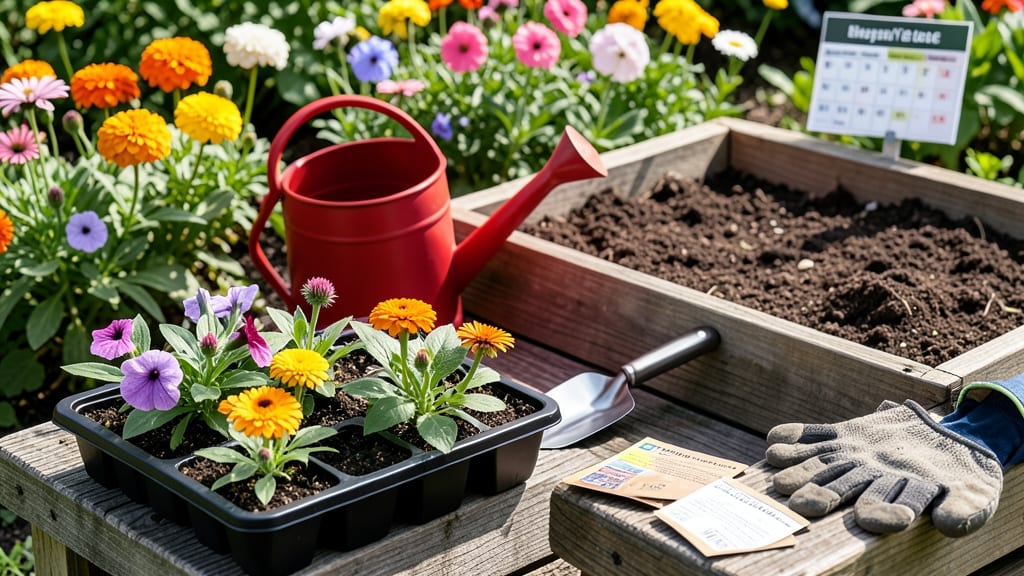
If you’ve ever watched your beautiful flower beds turn into an icy graveyard after an unexpected frost, you know when it is safe to plant flowers in Ohio isn’t just a suggestion—it’s survival for your garden.
Ohio’s unpredictable spring weather can leave even the most eager gardeners guessing whether their petunias or pansies will make it past the last frost.
The truth is, timing your plantings to Ohio’s hardiness zones—ranging from 5a to 6b—makes all the difference.
Whether you’re in Columbus, Toledo, or Cincinnati, knowing the exact window for cool-season blooms like snapdragons or heat-loving annuals like marigolds can mean the difference between a vibrant garden and a sad, half-dead one.
I’ll break down the zone-specific deadlines you need to avoid frost damage while maximizing your blooms. Plus, I’ll share pro tips for extending your planting season—because Ohio’s weather isn’t just about the calendar, it’s about the microclimates that can shift your success by weeks.
Ready to turn your garden dreams into reality? Let’s get those flowers in the ground at the perfect moment—before the next surprise frost rolls in.
Ohio’s frost-free dates by hardiness zone: when to plant annual flowers
Ohio spans USDA hardiness zones 5a to 6b, meaning frost dates vary dramatically from northwest Ohio (zone 5a) to southern Ohio (zone 6b). In my experience, these differences can mean the difference between a flourishing flower bed and wilted seedlings.
The average last frost date in northern Ohio (like Toledo) is around May 15, while southern Ohio (like Cincinnati) typically sees its last frost by April 15.
For cool-season annuals like pansies and snapdragons, I always plant 4-6 weeks before the last frost—usually mid-March to early April in most of Ohio.
These hardy flowers can even handle light frosts. Warm-season favorites like petunias and marigolds, however, need to wait until after the last frost and when soil temperatures reach at least 60°F.
Here’s the key: Soil temperature matters more than air temperature. Use a soil thermometer to confirm readiness—most annuals need 55-65°F soil for optimal germination. In my garden, this often means waiting until late April to early May in colder zones.
| Zone | Last Frost Date | Safe Planting Window | Best Flowers |
|---|---|---|---|
| 5a (Toledo, Youngstown) | May 15 | May 15–June 1 (after frost) | Petunias, Marigolds, Zinnias |
| 5b (Columbus, Akron) | April 25 | April 25–May 10 | Pansies, Snapdragons, Cosmos |
| 6a (Dayton, Cincinnati) | April 15 | April 1–April 15 | Tulips, Daffodils, Begonias |
| 6b (Southern Ohio) | March 25 | March 15–April 1 | Calendulas, Nasturtiums, Sweet Alyssum |
Microclimates add another layer of complexity. Urban areas like Columbus often warm up faster than rural zones due to heat islands. I’ve seen 1-2 week differences in frost dates just 10 miles apart.
For example, Toledo’s port area may see later frosts than inland areas. Always check local weather stations or ask fellow gardeners in your neighborhood.
If you’re planting seeds indoors, start 6-8 weeks before your last frost date. For zone 5a, that means mid-March for most annuals. Use grow lights if natural light is limited—seedlings need 12-16 hours of light daily to avoid leggy growth.
I swear by a simple LED grow bulb on a timer for my indoor starts.
For transplants, harden off seedlings 7-10 days before moving them outside. This means gradually exposing them to outdoor conditions (wind, sun, temperature swings) to prevent shock.
I start with 1-2 hours daily and increase by 1 hour each day. Skip this step, and you risk wilted or stunted plants.
Pro tip: Monitor the 10-day forecast before planting. A cold snap predicted for 3 nights after planting might warrant waiting another week. I use the National Weather Service’s point forecast for my area—it’s more accurate than general zone averages.
Also, avoid planting after sunset; cooler evening temperatures can stress young plants.
Don’t forget fall planting for cool-season flowers! In Ohio, September to early October is ideal for pansies, calendulas, and sweet peas. These blooms often survive light frosts and provide early spring color. I’ve had pansies bloom in December with a little mulch protection—magical!
Finally, soil prep is non-negotiable. Test your soil’s pH (most flowers prefer 6.0-7.0) and amend with compost or aged manure 2-3 weeks before planting. I mix in a 2-inch layer of compost and a slow-release fertilizer like 10-10-10.
Well-drained soil prevents root rot and ensures your flowers thrive from day one.
Ohio’s frost-free dates by hardiness zone: when to plant annual flowers
Ohio spans USDA hardiness zones 5a to 6b, meaning frost dates vary dramatically from northern Appalachia to southern Cincinnati. For annual flowers, timing isn’t just about the calendar—it’s about soil temperature and frost risk.
In zone 5a (like Youngstown), last frosts average April 20-30, while zone 6b (like Cincinnati) sees frost-free dates by April 5-15.
Cool-season annuals like pansies and snapdragons can handle light frosts, but warm-season favorites like petunias and marigolds need to wait until soil reaches 60°F (15°C). Toledo’s lake-effect microclimate often delays frost by 1-2 weeks compared to inland areas—so check local weather trends, not just zone averages.
Here’s your zone-by-zone planting timeline for Ohio’s most popular annuals, including when to start seeds indoors for a head start:
| Zone | Last Frost Avg. | Cool-Season Flowers (Plant) | Warm-Season Flowers (Plant) |
|---|---|---|---|
| 5a (Youngstown) | April 20-30 | Pansies: March 15 Snapdragons: April 1 |
Petunias: May 15 Marigolds: May 1 |
| 5b (Columbus) | April 10-20 | Pansies: March 1 Sweet Alyssum: March 20 |
Petunias: May 1 Zinnias: April 25 |
| 6a (Dayton) | April 5-15 | Violas: Feb 28 Lobelia: March 15 |
Geraniums: April 15 Sunflowers: April 10 |
| 6b (Cincinnati) | March 25-April 5 | Calendula: March 1 Stock: Feb 20 |
Impatiens: April 1 Coleus: April 10 |
*Adjust dates 1-2 weeks later for Toledo’s lake-effect delays.
Pro tip: Use a soil thermometer to confirm 60°F (15°C) for warm-season flowers—cold soil can stunt growth even after the last frost. In my zone 5b garden, I’ve seen two-week delays in spring planting due to unusually cool soils, so always test before committing.
For perennials like coneflowers or black-eyed Susans, plant in early spring (March-April) or early fall (September) to establish roots before winter. These hardy plants handle Ohio’s first fall frosts better than annuals, making them ideal for extending your bloom season.
Remember: Ohio’s weather is famously unpredictable. If your local forecast calls for 32°F (0°C) or below within 5 days of planting, wait. Even heat-loving annuals like portulaca can survive light frosts if established early—just cover them with row fabric for extra protection.