
Plants
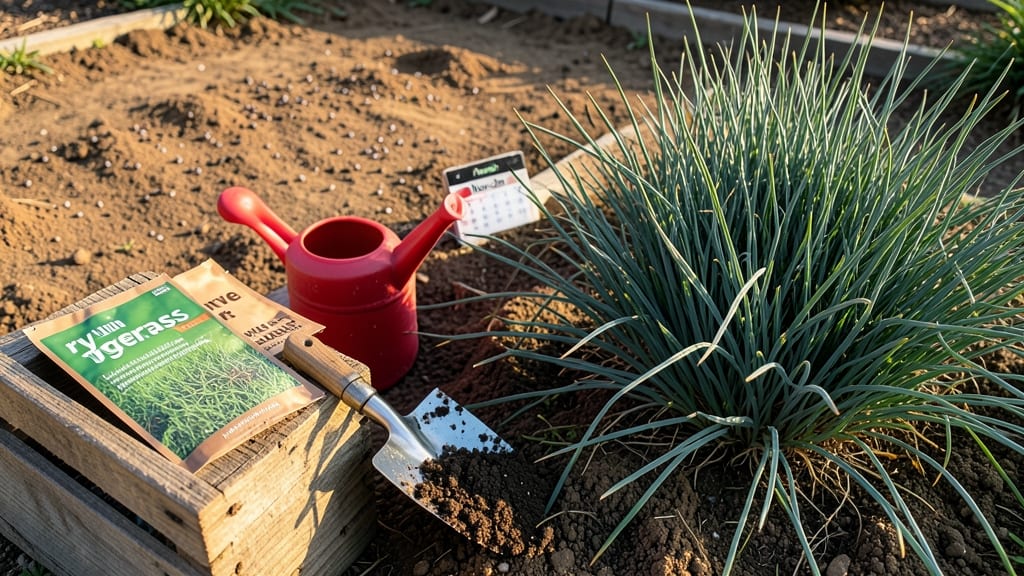
Planting Winter Grass in Arizona isn’t just about timing—it’s about catching that 3-month frost-free window when your lawn can establish strong roots before summer’s heat takes over. If you miss this narrow period, you risk weak growth or even failure, especially in USDA Zone 9b where temperatures can swing unpredictably.
Most Arizona gardeners swear by planting between October and November, when soil temperatures are ideal and rainfall is more reliable. This timing gives your 🌱 Winter Grass the best chance to thrive before the intense heat of summer arrives, ensuring a lush, drought-resistant lawn year-round.
But here’s the catch: Arizona’s microclimates—from Phoenix’s desert heat to Flagstaff’s cooler elevations—can shift the ideal window slightly. I’ll break down exactly how to adjust your planting schedule based on your location, plus the prep work that makes all the difference.
Ready to transform your lawn? Let’s dive into the fastest, most reliable way to plant Winter Grass in Arizona, step by step—no guesswork, just results.
Arizona’s ideal winter grass planting window: month-by-month breakdown
Arizona’s cool-season grasses thrive when planted during the 3-month frost-free window between September and November. This timing aligns with soil temperatures dropping below 85°F—ideal for seed germination and root establishment before winter’s mild chill sets in.
Missing this window risks weak growth or failure due to summer heat stress.
Unlike northern states, Arizona’s USDA Zone 9b eliminates frost concerns, but elevation and microclimates still dictate the best planting dates. For example, Phoenix and Tucson can plant as late as early November, while Flagstaff’s higher elevation may need to start in September to avoid early cold snaps.
Here’s the month-by-month breakdown of when to plant winter grass in Arizona, tailored to your region’s unique conditions:
| Month | Best Planting Time | Soil Temp (°F) | Notes |
|---|---|---|---|
| September | Early to mid-September | 80–85°F | Ideal for high-elevation areas (Flagstaff). Avoid late September in low deserts (heat stress risk). |
| October | Entire month (peak time) | 70–80°F | Best for Phoenix/Tucson. Soil is warm enough for germination but cooling for root growth. |
| November | Early November only | 60–70°F | Risky in low deserts (soil may cool too fast). High-elevation areas can plant later. |
🌡️ Pro Tip: Use a soil thermometer to confirm temps are below 85°F before planting.
For cool-season grasses like ryegrass or fescue, aim to plant 4–6 weeks before the first expected frost—though Arizona’s frost risk is minimal, this timing ensures strong root growth before winter. Warm-season grasses like Bermuda can be overseeded in late fall (November) for a winter-green lawn.
If you’re in Phoenix or Tucson, focus on October planting for the best balance of warm soil and cooling temperatures. In Flagstaff or Sedona, start in September to avoid early cold snaps that can stunt germination. Always check local weather forecasts for unexpected temperature drops.
One common mistake is planting too late in November, when soil temperatures drop below 60°F. Seeds may not germinate properly, leading to patchy or slow-growing grass. Use a seed starter fertilizer to boost early growth if planting near the cutoff.
After planting, maintain consistent moisture for the first 30–45 days to encourage deep root establishment. In Arizona’s dry climate, this means deep watering 2–3 times per week until the grass reaches 2–3 inches tall. Avoid overhead sprinklers to prevent fungal diseases.
For overseeding existing lawns, choose cool-season grasses like annual ryegrass, which germinate quickly and provide instant green-up. Spread seed in October and mow high (3–4 inches) to protect new shoots from heat stress.
Remember: Arizona’s winter grass success hinges on timing, soil prep, and water management. By planting in this 3-month window and following local microclimate guidelines, you’ll establish a drought-resistant, lush lawn that thrives through winter and transitions smoothly into spring. 🌱
Arizona’s ideal winter grass planting window: month-by-month breakdown
Arizona’s cool-season grasses like ryegrass and fescue thrive when planted during the 3-month frost-free window from September to November. This timing avoids summer’s scorching heat while giving roots time to establish before winter’s mild chill.
The key is planting when soil temperatures drop below 85°F—a critical threshold for germination success.
Your location matters: Phoenix’s low desert (Zone 9b) has a longer planting window than Flagstaff’s high desert (Zone 7a). Elevation shifts planting dates by 2-4 weeks. For example, Tucson gardeners can start in late August, while Flagstaff residents should wait until mid-September to avoid early frost risks.
| Month | Soil Temp (°F) | Ideal Planting Time | Notes |
|---|---|---|---|
| September | 80-85°F | Early Sept (low desert) | Best for Phoenix/Tucson |
| October | 70-75°F | Entire month | Optimal for all regions |
| November | 60-65°F | Early Nov (high desert) | Last chance for Flagstaff |
Test your soil temperature before planting—use a soil thermometer at 4-inch depth. If it’s above 85°F, wait 1-2 weeks for cooler conditions. Pro tip: Plant ryegrass in October for fastest establishment, as it germinates in 7-14 days when soil temps are ideal.
Miss the window? You can still plant in December, but growth slows dramatically. For a spring green-up, overseed in January—just accept slower germination (21+ days) and thinner coverage. The trade-off? Avoiding summer’s 110°F+ soil temps, which kill seeds instantly.
Use shade cloth if planting in late November to protect new shoots from cold snaps. Even in Arizona, 32°F nights can stress young grass. Mulch lightly with straw to retain moisture and insulate roots during winter’s rare freezes.
For drought-resistant varieties, opt for Tifway 419 Bermuda or Tall Fescue. These handle Arizona’s low winter humidity better than delicate ryegrass. Pair planting with deep irrigation—water 1 inch per week for the first 30 days to encourage deep root growth.