
Plants
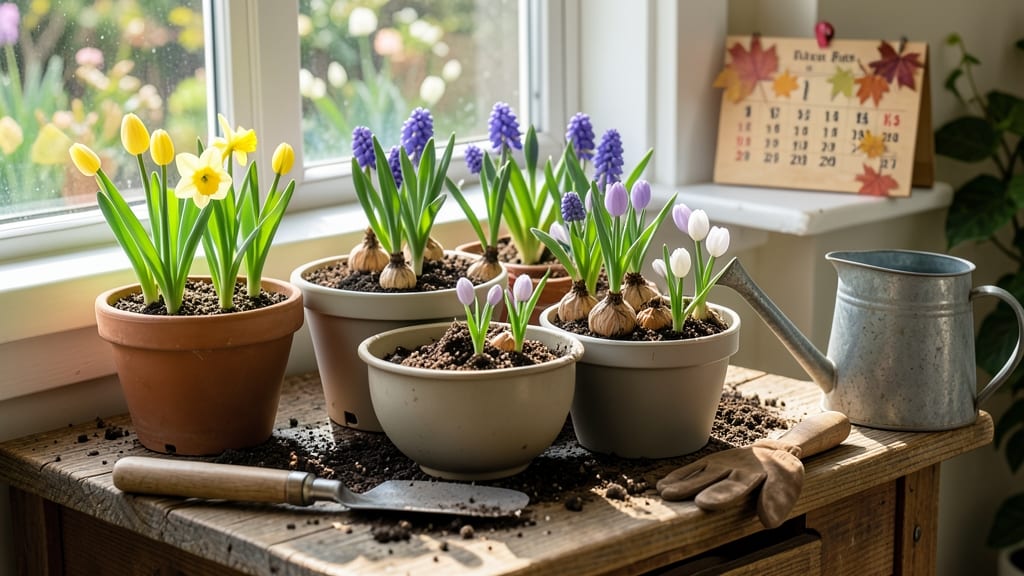
If you’ve ever waited all winter for your 🌷 bulbs in pots to plant—only to be disappointed by weak or no flowers—timing is likely the culprit. Planting too early or too late can leave your tulips, daffodils, or hyacinths struggling, even in containers.
The secret to vibrant spring blooms lies in understanding your USDA zone and whether you’re planting in fall or spring.
For most gardeners in Zone 6a, fall planting is the golden window—typically 6-8 weeks before the first frost. This gives bulbs time to establish roots before winter, ensuring they burst into color come spring. But what if you missed that window?
Or maybe you’re planting for a summer display instead? I’ll break down the exact timing for both seasons, plus pro tips for indoor vs. outdoor pots to keep your bulbs thriving.
You don’t need a green thumb to get this right—I’ll show you how to adjust for early frosts, choose the best bulb varieties for containers, and even troubleshoot common mistakes.
Whether you’re a beginner or a seasoned gardener, these insights will help you avoid the heartbreak of bulbs that never bloom.
Let’s dive into the perfect planting schedule so you can enjoy a pot full of cheerful flowers year after year, no matter when you start.
Fall planting schedule for bulbs in pots by USDA zone
Timing is everything when planting bulbs in pots, especially in fall. Bulbs need 6-8 weeks before the first frost to establish roots, but the exact window depends on your USDA hardiness zone.
In colder zones (3-5), aim for early September, while warmer zones (7-10) can plant until late November. The key is soil temperatures—they should be between 40-50°F (4-10°C) for optimal root growth.
Why fall? Bulbs naturally enter dormancy as days shorten, and cooler soil prevents rot. Planting in pots gives you flexibility to move them indoors before winter if needed. Just ensure pots have drainage holes to avoid soggy soil, which can cause bulbs to rot before they even sprout.
Use a well-draining potting mix with added perlite or sand for best results.
Here’s how to prep your pots for winter dormancy: Choose containers that are at least 6 inches deep (deeper for larger bulbs like tulips). Add a layer of gravel or broken pottery at the bottom for drainage, then fill with mix.
Plant bulbs pointy-end up, spacing them 2-3 inches apart for smaller varieties and 4-6 inches apart for larger ones.
Now, let’s break down the ideal planting windows by zone to ensure your bulbs thrive:
| USDA Zone | Planting Window | Soil Temp Goal | Best Bulb Varieties |
|---|---|---|---|
| Zones 3-5 | Early September to mid-October | 40-50°F (4-10°C) | Tulips, Daffodils, Crocus, Hyacinths |
| Zones 6-7 | Mid-September to early November | 50-60°F (10-15°C) | Alliums, Snowdrops, Grape Hyacinths |
| Zones 8-10 | October to December | 60-70°F (15-21°C) | Calla Lilies, Rain Lilies, Cyclamen |
For zones with early frosts (like Zone 3), plant 8-10 weeks before the first frost date. In warmer zones (like Zone 10), you can push planting to December, but avoid planting too late—bulbs need time to root before summer heat arrives.
If you’re unsure about your frost date, check your local USDA zone map or use a frost calendar for your region.
Pro tip: If you’re planting in pots for indoor winter blooms (like paperwhite narcissus), you can plant them anytime in fall or winter—they don’t need cold stratification.
Just place them in a cool, dark spot for 6-8 weeks before moving to a sunny window. This trick lets you enjoy blooms indoors during the holidays!
After planting, water thoroughly to settle the soil, then reduce watering. Bulbs in pots need minimal water during dormancy—just enough to keep the soil from drying out completely. In spring, you’ll see shoots emerge, signaling it’s time to move pots to a sunny location and resume regular care.
Mulch the soil surface with pebbles or moss to retain moisture and prevent weeds.
Adjust for your microclimate: If your area has unpredictable frosts, err on the earlier side. For example, if your zone 6 typically gets frost by November 1, plant by mid-October.
Overcrowded pots can lead to weak blooms, so avoid packing bulbs too tightly. With the right timing and care, your potted bulbs will reward you with vibrant spring blooms year after year.
🌷
Spring planting bulbs in pots: late vs early timing mistakes
Spring planting bulbs in pots is a fantastic way to enjoy summer blooms, but timing is everything. Unlike fall-planted bulbs, spring varieties like lilies, gladiolas, and canna lilies need warm soil to sprout properly.
Plant too early, and you risk premature sprouting that can’t survive a late frost. Plant too late, and your bulbs may never bloom at all.
For most USDA Zones 7-10, aim to plant spring bulbs in pots 2-4 weeks before your last frost date. This gives roots time to establish without forcing shoots to emerge too soon.
For example, in Zone 9, that’s typically mid-February to early March, while Zone 7 gardeners should wait until late March or April.
🚨 CRITICAL: Avoid the March Madness Mistake—planting bulbs in pots too early when soil temps are still chilly (below 50°F). Cold soil can stunt root growth or trigger weak, leggy stems. Use a soil thermometer to confirm temps are consistently above 55°F before planting.
⚠️ Spring Planting Pitfalls to Avoid
- Planting in soggy soil → Causes rot. Use pots with drainage holes and well-draining mix.
- Overcrowding bulbs → Leads to weak stems. Space bulbs 3-4 inches apart in pots.
- Skipping mulch → Protects roots from temperature swings. Add 2 inches of mulch after planting.
- Using small pots → Restricts root growth. Choose pots at least 6 inches deep for most bulbs.
Pro Tip: Pre-warm soil by placing pots in a sunny spot or using black plastic mulch for a week before planting.
Not all spring bulbs thrive in pots. Lilies and dahlias are top performers, while tulips and daffodils (better suited for fall planting) may struggle in spring containers. Opt for heat-loving bulbs like canna lilies or elephant ears, which tolerate warmer soil and bloom through summer.
After planting, keep pots in a shady, protected spot until soil warms. Once shoots appear, move them to full sun (6+ hours daily) to encourage strong blooms. Water deeply once a week, letting the top inch of soil dry between waterings to prevent rot.
With the right timing and care, spring-planted bulbs in pots can reward you with months of vibrant blooms—just avoid the common mistakes, and your containers will shine all summer long. 🌸