
Plants
Planting tulip bulbs in Alabama at the wrong time could mean watching your 🌷 dreams wither before spring—but timing it just right guarantees vibrant blooms that’ll make your neighbors jealous. The key lies in Alabama’s unique climate, where USDA Zones 7b-8a demand precise fall deadlines that most gardeners miss.
You’ve got roughly 6 weeks to get those bulbs in the ground, starting as early as mid-October in cooler northern regions and stretching into early November for warmer southern counties.
Plant too soon, and frost will damage tender roots; too late, and your tulips may not establish strong roots before winter dormancy kicks in.
Don’t stress—this guide breaks down the exact planting window for your Alabama zone, plus soil prep tricks to ensure your bulbs thrive.
We’ll cover everything from bulb depth to post-planting care, so you can skip the guesswork and enjoy spring blooms that’ll make your garden the talk of the neighborhood.
Ready to transform your yard into a tulip paradise? Let’s dive into the foolproof steps that’ll have your bulbs blooming like clockwork next April—without a single frost-related setback.
Alabama’s ideal tulip bulb planting window: exact dates by region
Alabama’s climate—hot summers and mild winters—creates a 4-6 week window to plant tulip bulbs for spring blooms. Miss this window, and your bulbs may rot before winter or fail to root deeply enough to survive.
The key is planting 4-6 weeks before the first hard frost, which varies by region. For most of Alabama (USDA zones 7b-8a), this means mid-October to early November.
North Alabama (e.g., Huntsville, Decatur) has earlier frosts, so aim for late September to mid-October. Central Alabama (Birmingham, Montgomery) can wait until early to mid-October, while South Alabama (Mobile, Dothan) has until late October to early November.
Always check your local first frost date—planting too late risks bulbs sprouting before winter, which frost will kill.
Here’s the breakdown by region, including soil temperature targets (60°F or below) for best root development:
| Region | USDA Zone | First Frost Date | Ideal Planting Window | Soil Temp Goal | Actionable Deadline |
|---|---|---|---|---|---|
| North Alabama | 7a-7b | Mid-November | Late September – Mid-October | 60°F or below | Plant by October 15 |
| Central Alabama | 7b-8a | Late November | Early to Mid-October | 60°F or below | Plant by October 31 |
| South Alabama | 8a-8b | Early December | Late October – Early November | 60°F or below | Plant by November 15 |
Pro tip: Use a soil thermometer to confirm temperatures. Tulip bulbs need 4-6 weeks of cool soil (below 60°F) to root before winter dormancy. If your soil stays warm, consider planting in shaded beds or under trees to slow warming.
For extra insurance, plant dwarf tulip varieties (like ‘Tiny Star’ or ‘Purple Prince’) in containers. These can be moved to a garage or cold frame if frost threatens early. Just ensure they get 6+ hours of sun daily to bloom reliably.
If you’re in Zone 8b (e.g., Mobile), you might even squeeze in a December planting for late-winter blooms. However, prioritize October-November for the best success rate. Bulbs planted in December may not have enough time to establish strong roots before Alabama’s unpredictable winter weather arrives.
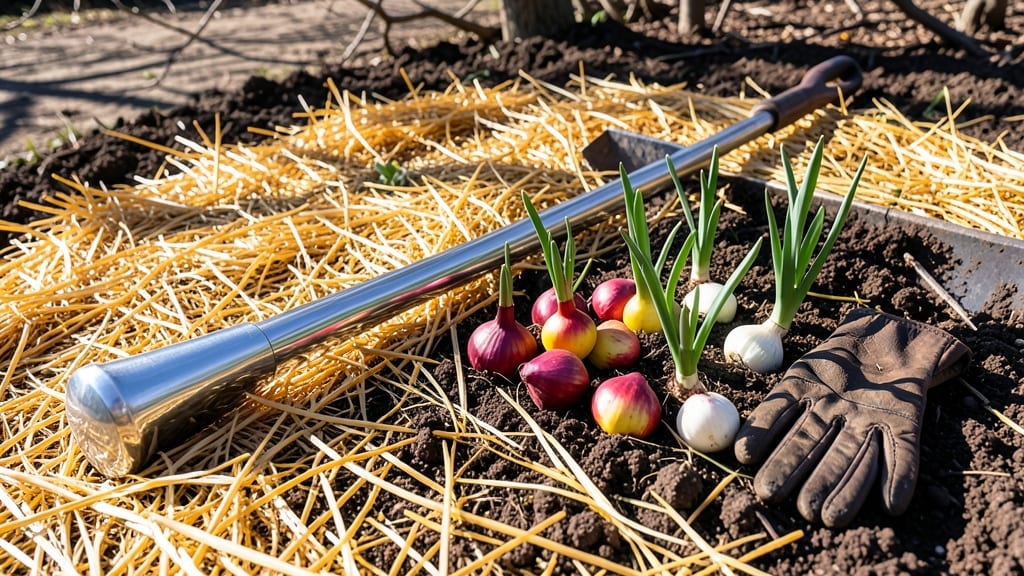
Once planted, mulch with 2-3 inches of straw or shredded leaves to insulate bulbs and regulate soil temperature. Avoid thick mulch layers—too much can suffocate bulbs or trap moisture, leading to rot. In spring, remove mulch as shoots emerge to prevent disease.
Remember: Tulips are perennial in Alabama’s mild winters, but they often decline after 3-4 years. For long-term blooms, dig up and divide bulbs every 3-4 years in early summer after foliage yellows. This rejuvenates plants and prevents overcrowding.
🌷
How to prepare Alabama soil for tulip bulbs: 3 critical steps
Alabama’s clay-heavy, humid soils can turn your tulip bulbs into a soggy mess if you don’t prep properly. The key is creating well-draining, nutrient-rich soil that mimics the bulbs’ natural Mediterranean habitat.
Without this, your 🌷 dreams risk rotting before they even bloom. Let’s fix that with three non-negotiable steps tailored to your local conditions.
First, test your soil’s pH—tulips thrive in slightly acidic to neutral soil, with an ideal range of 6.0-7.0. Alabama’s native soils often skew alkaline, so you may need to add elemental sulfur or peat moss to adjust.
Grab a soil test kit from your local garden center for precise results, or use a DIY vinegar-and-baking-soda test if you’re on a budget.
Test & Amend Soil pH
- 🔍 Test pH (aim for 6.0-7.0)
- 🧪 Add sulfur if pH > 7.0 (1 lb per 100 sq ft)
- 🍄 Avoid lime—it raises pH further
Next, break up compacted clay with a garden fork or tiller to a depth of 12-15 inches. Alabama’s heavy soils smother roots, so loosen the soil in 6-inch-wide trenches where you’ll plant.
Mix in 2-3 inches of compost or well-rotted manure to boost organic matter—this improves drainage while feeding your bulbs. For extra insurance, blend in coarse sand (like builder’s sand) if your soil feels like concrete when squeezed.
Loosen Clay & Add Organic Matter
- ✂️ Tiller to 12-15" depth
- 🌱 Add 2-3" compost per trench
- 🏗️ Mix in coarse sand if soil feels dense
Finally, create a raised mound for planting—this prevents water from pooling around bulbs during Alabama’s rainy winters. Mound the amended soil into 4-inch-high ridges, then plant bulbs on top.
Top with 2-3 inches of mulch (straw or pine needles work best) to insulate roots and suppress weeds. Avoid wood chips, which can introduce volatile compounds that harm bulbs.
Pro tip: If your yard floods in winter, consider planting tulips in raised beds or containers with drainage holes. This gives you full control over soil conditions—no more soggy surprises!
With these three steps, your Alabama soil will be bulb-ready and your tulips will reward you with bold, healthy blooms next spring.