
Plants
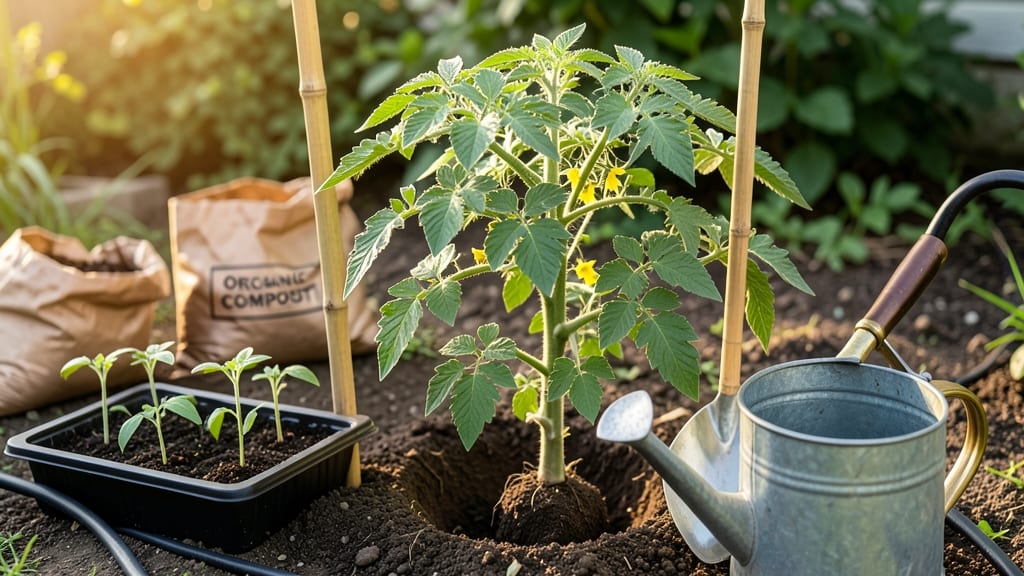
Timing when do you plant tomatoes in Virginia could mean the difference between a thriving garden and a sad, wilted disappointment—but getting it right unlocks the secret to juicy, vine-ripened rewards.
With USDA zones 7a-8a and unpredictable frost patterns, knowing exactly when to plant isn’t guesswork—it’s a science backed by local climate data.
Most Virginia gardeners wait until April 15 or later, after the last frost has passed and soil temperatures hit at least 60°F. But whether you're in Richmond, Roanoke, or the Shenandoah Valley, your exact planting window depends on microclimates that can shift even within the same county.
Here’s the game-changer: starting seeds indoors 6-8 weeks before your last frost date gives you a head start, while direct-sowing after June 1 can still yield late-season harvests if you use row covers. I’ll break down the exact steps to stretch your growing season—no matter which zone you’re in.
Ready to turn your Virginia garden into a tomato powerhouse? Let’s dive into the heat-zone map and frost-date triggers that will have your plants thriving from June through October.
Virginia’s heat zones & frost dates: the exact timing for tomato planting
Virginia’s climate spans USDA zones 5a through 8a, meaning frost dates vary wildly—from late April in the mountains to mid-May in coastal areas. For tomatoes, this means planting too early risks frost damage, while waiting too late cuts your harvest short.
The key? Align your schedule with your local last frost date and soil temperature—not just the calendar.
Most Virginia gardeners aim to plant tomatoes after April 15, but this shifts 1-3 weeks depending on your zone. For example, Roanoke (zone 6b) can safely plant by May 1, while Richmond (zone 7b) may start as early as April 20.
Always check your local weather station or use the National Weather Service’s frost prediction tools for real-time adjustments.
Here’s the golden rule: Tomatoes thrive when soil temps hit at least 60°F. A soil thermometer is your best friend—cold soil stunts roots and delays growth.
In cooler zones like zone 5a (Mountains), consider starting seeds indoors 6-8 weeks before your last frost date to give transplants a head start.
🌱
🌱 Virginia Tomato Planting Timeline by Zone
| Zone | Last Frost Date | Ideal Planting Window | Soil Temp Requirement | Notes |
|---|---|---|---|---|
| 5a (Mountains) | May 1-15 | May 15-June 1 | 60°F+ | Start seeds indoors March 1 |
| 6a (SW VA) | April 20-May 5 | April 30-May 15 | 60°F+ | Use row covers for early starts |
| 7a (Richmond) | April 10-20 | April 20-May 10 | 55°F+ | Direct-sow or transplant |
| 8a (Tidewater) | March 20-April 5 | March 30-April 15 | 50°F+ | Early varieties preferred |
🌡️ Pro Tip: Use a soil thermometer to confirm temps before planting—cold soil = slow growth.
If you’re in zone 5a or 6a, don’t skip starting seeds indoors. Begin 6-8 weeks before your last frost date—typically early March—to ensure sturdy transplants ready for late May.
For zones 7a and warmer, you can direct-sow seeds 2-3 weeks after your last frost, but harden off seedlings first to avoid transplant shock.
For coastal Virginia (zone 8a), the window opens earlier—sometimes as early as late March. However, heat-loving tomato varieties like ‘Celebrity’ or ‘Better Boy’ still need consistent warmth. If nights dip below 55°F, use row covers or black plastic mulch to protect young plants.
One common mistake? Relying on calendar dates instead of weather patterns. A late frost in May can wipe out early plantings, while a warm April might let you start sooner. Sign up for local frost alerts or track your garden’s microclimate—shady spots frost later than sunny ones!
🌿
For succession planting, make a second sowing 4-6 weeks after your first batch to stagger harvests through fall. In Virginia, this often means late May or early June plantings for a September-October bonus.
Just be ready to protect late-season plants with row covers as first frost nears (usually mid-October).
Finally, don’t rush! Tomatoes planted in cold soil or chilly nights develop blossom end rot or stunted growth. Wait for consistent warmth—your future vine-ripened tomatoes will thank you.
How to stretch your tomato growing season in Virginia: early vs. late planting hacks
Virginia’s short growing season can feel like a race against frost—but with the right tricks, you can turn your tomato plants into season-extending superstars. Whether you’re in cooler mountain zones (5a/6a) or warmer Piedmont regions (7a/8a), these proven strategies will help you beat frost and maximize harvests.
From cold frames to succession planting, I’ll show you exactly how to grow tomatoes earlier and later than you ever thought possible.
The key is layering protection and strategic timing. In Zone 5a (like the Shenandoah Valley), you might lose 60+ days of growing season to frost—unless you use the right tools.
Meanwhile, Zone 8a gardeners (like those in Norfolk) can push harvests into late October or November with minimal effort. Let’s break down the best hacks for early and late planting so you can enjoy homegrown tomatoes from June to October—or even longer!
🌱 5 Proven Hacks to Extend Your Tomato Season in Virginia
- 🌡️ Start seeds indoors 6-8 weeks before last frost (e.g., Zone 5a: February 15, Zone 8a: March 15) to get a 3-4 week head start.
- 🛡️ Use row covers or frost blankets to protect seedlings from light frosts (28-32°F) and extend early planting by 2-3 weeks.
- 🔥 Try cold frames or mini greenhouses for overwintering or early starts—some gardeners in Zone 7a harvest year-round!
- 🌿 Practice succession planting: Sow new seeds every 2-3 weeks from April to June for staggered harvests.
- 🍂 Harden off late-season plants in September to delay frost damage—some varieties (like ‘Solar Fire’) ripen even in cool weather.
For early planting, the goal is to outsmart frost by giving seedlings a safe, warm environment. If you’re in Zone 5a or 6a, start seeds indoors under grow lights by mid-February.
Transplant outdoors only after soil temps hit 60°F (usually mid-May) and use black plastic mulch to warm the soil faster. Pro tip: Plant heat-loving varieties like ‘Celebrity’ or ‘Better Boy’—they thrive in Virginia’s heat once established.
Late-season hacks focus on protecting mature plants from early frosts (after October 15). In Zone 7a/8a, you can harvest tomatoes well into November by using row covers or low tunnels. Choose cold-tolerant varieties like ‘Stupice’ or ‘Mountain Merit’, which ripen in cooler temps. If frost is forecast, cover plants at night and remove covers during the day to prevent heat stress. For container gardeners, move pots closer to the house or under a porch to trapped warmth.
Don’t forget succession planting—this is my #1 trick for non-stop tomatoes. Instead of planting all your seeds at once, sow a new batch every 2-3 weeks from April through June.
This ensures you’ll have ripe tomatoes every 4-6 weeks all summer long. Pair this with vertical trellising to save space and improve airflow, reducing disease risk in Virginia’s humid summers.
The biggest mistake? Waiting until after Memorial Day to plant—by then, you’ve lost 4-6 weeks of growing time. Instead, plan backward: Count 70-90 days from your first frost date (usually October 15) to determine your last planting window.
For example, in Richmond (Zone 7b), your final planting date is around July 15 for a fall harvest.
With these season-extending tricks, you’ll turn Virginia’s short growing season into a tomato lover’s paradise. Whether you’re a mountain gardener or a Tidewater resident, the right timing and tools can double—or even triple—your harvest.
Now grab your frost blankets and seed packets, and let’s get growing!
🌱