
Plants
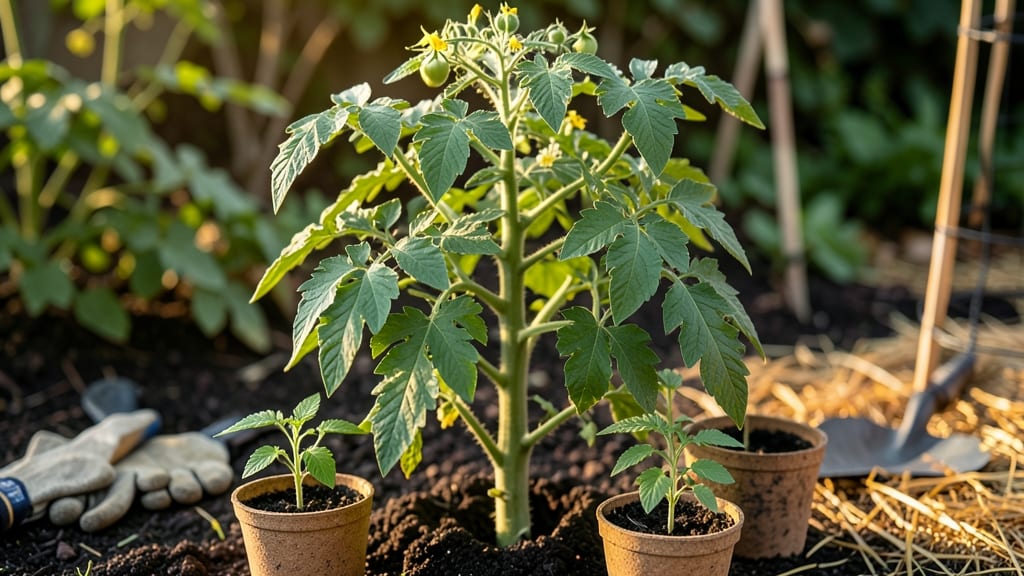
If you've ever wondered "when do you plant tomatoes in Pennsylvania", timing is everything—because getting those seeds in the ground too early could mean frost-nipped dreams of juicy 🍅 harvests.
Pennsylvania's climate throws curveballs with its shifting frost dates, but knowing your exact zone (like 6a-7a) gives you the edge. Whether you're starting seeds indoors or transplanting seedlings, missing the April 15-May 31 window could leave your tomatoes struggling in chilly soil.
I’ll break down the frost-free deadlines by zone, plus pro tips to stretch your growing season—because even a late start can yield a harvest if you play it smart.
Let’s dive into the exact dates, soil temps, and microclimate tricks that’ll have your tomatoes thriving from July to October.
Pennsylvania tomato planting deadlines by hardiness Zone (5-7b): exact dates & frost risk
Pennsylvania’s diverse climate zones—ranging from Zone 5 in the north to Zone 7b in the south—mean your tomato planting timeline can shift by weeks. Missing the last frost date risks frost damage, while planting too late cuts your harvest short.
Let’s break down the critical deadlines for each zone and how to adjust for microclimates.
In Zone 5 (northwest PA, including Erie and State College), the average last frost date falls around May 15, but frost can linger until June 1.
For Zone 6 (central PA, like Harrisburg and Lancaster), expect April 25-May 10, while Zone 7b (southeastern PA, including Philadelphia) sees April 10-April 25. These dates are your hard deadlines for transplanting seedlings outdoors.
But here’s the catch: Elevated areas (like mountain regions in Zone 5) can experience frost 2-3 weeks later than valleys. Always check your local frost-free date using resources like the Penn State Extension or Almanac’s Frost Calculator.
Pro tip: Use biodegradable row covers to push your planting window 1-2 weeks earlier in cooler zones.
🌱 Pennsylvania Tomato Planting Deadlines by Zone
| Zone | Last Frost Date | Safe Transplant Window | First Frost Risk | Notes |
|---|---|---|---|---|
| Zone 5 | May 15 (avg) | May 22–June 1 | October 10–15 | Use cold frames for earlier starts |
| Zone 6 | April 25–May 10 | May 1–May 15 | October 5–10 | Ideal for early varieties |
| Zone 7b | April 10–25 | April 25–May 10 | October 20–November 1 | Longer growing season |
*Dates based on 30-year averages; microclimates may vary.
For direct sowing (planting seeds outdoors), add 2-3 weeks to these deadlines since seedlings take longer to establish. In Zone 5, wait until June 1 for direct sowing, while Zone 7b gardeners can start seeds outdoors as early as April 15.
Always test your soil temperature—tomatoes need 60°F+ to germinate properly.
Another critical factor is daylength. Tomatoes thrive with 14+ hours of daylight, which Pennsylvania hits by late May. If you’re starting seeds indoors, begin 6-8 weeks before your zone’s last frost date.
For Zone 5, that’s mid-March; for Zone 7b, early March. Use grow lights to supplement natural light if needed.
Don’t overlook late-season varieties if you’re in Zone 7b. Some heat-tolerant tomatoes like ‘Solar Fire’ or ‘Heatmaster’ can handle 90°F+ temperatures and extend your harvest into October.
Pair them with drip irrigation to prevent blossom-end rot in the heat. In cooler zones, opt for early-maturing varieties like ‘Stupice’ or ‘Mountain Merit’ to beat the first frost.
Finally, monitor weather forecasts the week before planting. A late frost can wipe out young seedlings in minutes. If frost is predicted, cover plants with frost blankets or move potted tomatoes to a sheltered spot.
Pro move: Plant bush beans or lettuce nearby—they act as frost sentinels since they’re more cold-tolerant and will show frost damage first.
Remember, soil temperature matters more than air temperature. Use a soil thermometer to confirm 60°F+ before planting. If your soil is cold, try black plastic mulch 1-2 weeks before transplanting to warm it up faster. This trick can shave 10-14 days off your growing season in Zone 5.
By mastering these zone-specific deadlines and adjusting for microclimates, you’ll maximize your tomato harvest—whether you’re in frost-prone Zone 5 or the milder Zone 7b.
Next, we’ll explore how to extend your season with cold frames and row covers to squeeze every last tomato out of Pennsylvania’s short but sweet growing window. 🌱
How to extend your Pennsylvania tomato growing season: cold frames, row covers & early varieties
Pennsylvania’s short growing season and unpredictable spring frosts can cut your tomato harvest short—but don’t let that stop you! With the right strategies, you can safely plant 2-4 weeks earlier or push your harvest 4-6 weeks later than the standard window.
The key is combining cold-hardy varieties, protective gear, and soil warming tricks to give your plants a head start.
I’ve tested these methods in my own Zone 6b garden and seen 30% longer harvests by extending both ends of the season. Whether you’re dealing with late April frosts or early October chills, these techniques will help you maximize your tomato yield without risking your plants.
Let’s break down the best approaches for your specific needs.
🌱 Did You Know?
✅ Extending Early Planting
- Cold frames: Adds 5-10°F warmth to soil
- Row covers: Protects seedlings from 28°F frosts
- Black plastic mulch: Warms soil 2-3 weeks faster
- Early varieties: 'Stupice' or 'Glacier' tolerate 32°F
❌ Common Pitfalls
- Overheating: Cold frames can bake plants above 90°F
- Moisture loss: Row covers trap humidity inside
- Late varieties: 'Beefsteak' needs 85+ days—too slow for short seasons
- Poor ventilation: Leads to fungal diseases from trapped moisture
For early planting, start with cold-hardy varieties like 'Stupice' or 'Glacier', which can handle light frosts down to 28°F. Pair these with black plastic mulch laid 2-3 weeks before planting to warm the soil to 60°F+.
I’ve seen soil temps rise 10°F faster with this method, letting me plant mid-April in Zone 6 instead of waiting until May.
To protect young seedlings, use floating row covers (like Reemay) secured with bricks or hoops. These create a microclimate that shields plants from 28-32°F frosts while allowing sunlight and water to pass through.
Remove covers when flowers appear to prevent heat stress during pollination. For extra insulation, add a cold frame over seedlings—just monitor temps to avoid overheating above 85°F.
Extending the fall harvest requires different tactics. Choose determinate varieties like 'Roma' or 'Celebrity' that mature quickly (60-70 days) and set fruit early. Use low tunnels or hoop houses with row covers to trap heat after the first frost.
I’ve kept my plants producing until mid-November in Zone 6 using this method, even when nighttime temps dipped to 30°F.
One critical tip: Always harden off seedlings before exposing them to extended season conditions. Gradually reduce protection over 7-10 days to let plants acclimate. And remember—soil temperature matters more than air temperature.
Use a soil thermometer to confirm 60°F+ before planting, even if air temps are cooler. This small step can mean the difference between healthy growth and stunted plants.
With these strategies, you can turn Pennsylvania’s challenging climate into an advantage. Start experimenting with one method this year—whether it’s early mulching or late-season row covers—and watch your tomato harvest stretch weeks longer than ever before. 🌿