
Plants
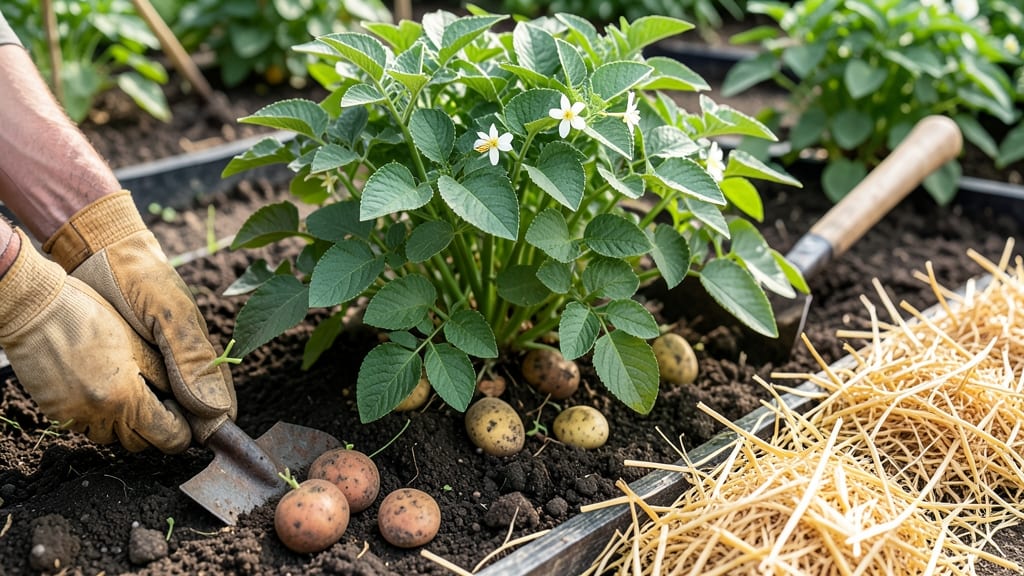
Timing when you can plant potatoes in Colorado can make or break your harvest—get it wrong, and you might lose everything to late frosts or stunted growth.
The state’s dramatic elevation shifts mean what works in Denver’s lowlands (like planting in early April) fails miserably in Steamboat Springs’ high country, where gardeners often wait until May.
Most Colorado gardeners aim to plant 4-6 weeks before the last frost, but that window shrinks dramatically as you climb in altitude. In USDA Zones 5-7, soil temperatures below 45°F can delay sprouting, while high-altitude areas face shorter growing seasons—meaning you’ll need faster-maturing varieties to pull it off.
I’ve tested these strategies across Colorado’s zones, and the key is balancing historical frost dates with real-time soil conditions.
Whether you’re pre-sprouting seed potatoes indoors or planting directly in chilly March soil, I’ll show you exactly how to time it right for your elevation—so you’re harvesting crisp, homegrown potatoes by summer.
From Denver’s urban gardens to mountain farms, we’ll cover everything: when to start chits, how to use row covers, and which varieties thrive in Colorado’s unpredictable climate. Let’s dig in.
Colorado’s potato planting zones: frost-free deadlines by elevation
Colorado’s three distinct elevation zones dramatically impact potato planting. Lowland areas (3,000–5,000 ft) like Denver can start as early as mid-March, while high-country gardens above 7,000 ft often wait until late May. The key is soil temperature—potatoes need 45°F+ soil to thrive, not just frost-free air.
For lowland zones (3,000–5,000 ft), aim for planting between March 15–April 15. This aligns with Colorado State University’s recommendations for early varieties like Red LaSoda, which mature in 70–90 days.
In Denver’s metro area, the average last frost date is April 15, giving you a 150-day growing season.
At foothills elevations (5,000–7,000 ft), such as Colorado Springs or Fort Collins, push planting to April 1–May 1. Cooler nights and shorter days slow growth, so mid-season varieties like Yukon Gold (90–110 days) work best. Use black plastic mulch to warm soil faster in these transitional zones.
High-country gardens above 7,000 ft (Steamboat Springs, Leadville) face the biggest challenges. Plant no earlier than May 15, focusing on late varieties like Kennebec (110–130 days). These areas often experience late spring frosts even after Memorial Day, so row covers are essential.
🌱 Colorado Potato Planting Timeline by Elevation
| Elevation Zone | Planting Window | Soil Temp Requirement | Best Varieties | Key Tip |
|---|---|---|---|---|
| Lowland (3,000–5,000 ft) | March 15–April 15 | 45°F+ | Red LaSoda, Early Girl | Use black plastic mulch |
| Foothills (5,000–7,000 ft) | April 1–May 1 | 48°F+ | Yukon Gold, Kennebec | Plant deeper (6 inches) |
| High Country (7,000+ ft) | May 15–June 1 | 50°F+ | Red Pontiac, Russet Burbank | Use row covers early |
⚠️ Pro Tip: Check Colorado State University’s frost maps annually—dates shift with climate change!
For early planting success, I recommend chitting potatoes (pre-sprouting in egg cartons) 4–6 weeks before outdoor planting. This gives high-elevation gardeners a 2-week head start on the short growing season. Place chitted potatoes near a south-facing window or under grow lights to encourage strong sprouts.
Soil preparation is equally critical. Colorado’s clay-heavy soils in lowlands need compost or sand amendments, while high-country gardens benefit from raised beds to improve drainage. Test your soil’s pH (5.0–6.5 ideal) and add lime if needed—potatoes hate acidic conditions.
Don’t forget about late-season planting for storage potatoes. If you miss the spring window, try July 1–August 1 plantings in lowland zones—these 120+ day varieties (like Kennebec) store well through winter. Just be prepared for earlier harvests before first frost in October.
My personal rule: When in doubt, plant 2–3 weeks earlier than recommended. Potatoes are cold-hardy and can survive light frosts, while late planting risks stunted tubers from short daylight. Start small with 5–10 seed potatoes to test your zone’s perfect timing!
How to adjust planting dates for Colorado’s unpredictable weather
Colorado’s weather can shift from freezing nights to warm days in a single week, making potato planting a gamble if you don’t plan ahead. I’ve learned the hard way—planting too early risks frost damage, while waiting too long cuts your harvest short.
The key is flexibility: using tools like soil thermometers and row covers to extend your window safely.
Start by checking your local last-frost dates, but don’t rely on them blindly. For example, Denver’s average last frost is April 15, but high-country areas like Fort Collins can see frost as late as May 10.
I always plant 4-6 weeks before my zone’s average date—just in case. For extra protection, I use floating row covers to shield young plants from late frosts.
Another trick I swear by is chitting potatoes—pre-sprouting them indoors 4-6 weeks before planting. This gives you a head start, especially in high-altitude gardens where the growing season is shorter.
Place seed potatoes in a bright, cool spot (around 50°F) and watch for 1-inch sprouts before transplanting. These early starts help potatoes establish faster in cooler soils.
Potatoes need soil temps of 45°F+ to germinate. Wait until the ground warms consistently—especially in high-elevation zones where cold soils delay growth.
Prioritize 70-day varieties like Red LaSoda for high-risk areas. These mature faster, giving you a backup harvest if late frosts strike.
If a cold snap is predicted, cover plants with straw mulch or frost cloth. I’ve saved entire rows this way during May frosts in Colorado Springs.
For late-season adjustments, consider planting a second crop of fast-maturing varieties in early June. Choose types like Yukon Gold (90 days) and hill them aggressively to speed up tuber formation.
Just be prepared to harvest quickly before the first frost—usually by mid-October in most zones. And always keep a harvest