
Flowers
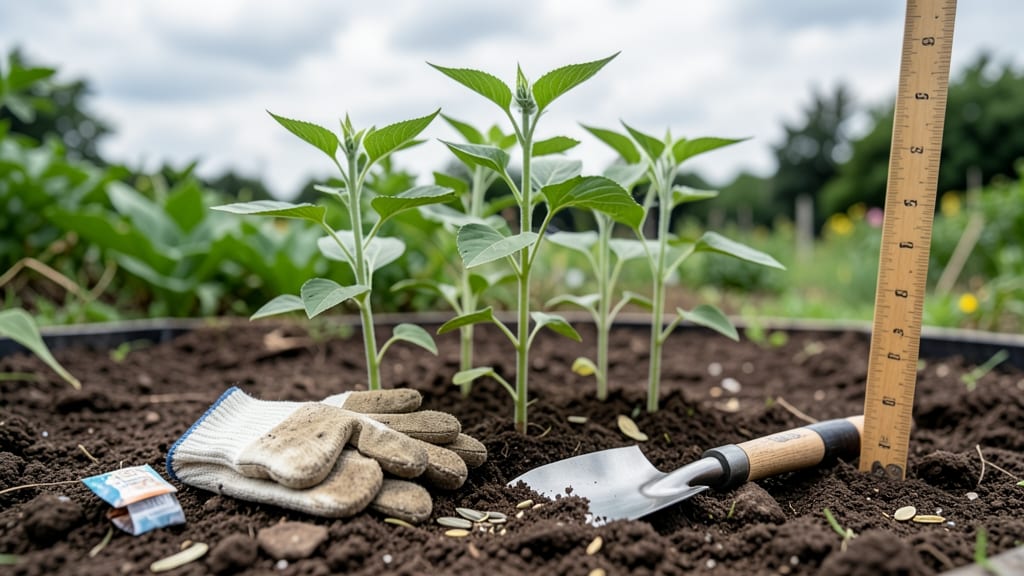
Planting sunflowers in Florida isn’t just about timing—it’s about beating the heat while making the most of your 365 frost-free days.
Unlike northern gardens, Florida’s warm climate means you can grow these cheerful 🌻 giants year-round, but the key is avoiding the brutal summer months when even heat-resistant varieties struggle.
Most gardeners in Florida’s 9a-10b zones swear by two planting windows: February-April for spring blooms and August-September to escape peak heat. But here’s the catch—skipping these windows could mean wilting plants or missed harvests, especially if you’re growing for seeds or cut flowers.
I’ll show you exactly how to time your sunflower planting for maximum success, from soil prep to variety selection tailored to Florida’s microclimates. Whether you’re in North Florida’s cooler pockets or South Florida’s steamy lowlands, these tips will help you grow sunflowers that thrive, not just survive.
Ready to grow sunflowers that reach their full 10-15-foot potential? Let’s dive into the best months, heat-resistant varieties, and care tricks that’ll have your garden buzzing with pollinators and towering over your fence.
Best planting times for sunflowers in Florida’s climate Zones
Florida’s frost-free climate means sunflowers can grow year-round, but timing still matters to avoid wilting under summer’s brutal heat or missing peak blooms. Unlike northern states, we don’t worry about frost dates—but we do need to work with heat tolerance thresholds and humidity levels that can stress young plants.
The best windows focus on cooler months when soil stays warm enough for germination while avoiding summer’s extreme heat.
North Florida (USDA Zones 8a-9a) has slightly cooler winters, while South Florida (Zones 10a-11) stays warm year-round. Central Florida (Zones 9b-10a) falls in between.
Each region benefits from staggered planting to extend your blooming season—think of it as a two-season strategy that maximizes your sunflower harvest.
Here’s the breakdown of ideal planting windows tailored to Florida’s microclimates, including soil temperature requirements and heat management tips:
For North Florida gardeners, the February–April window is critical—this gives sunflowers time to mature before summer’s peak heat arrives. In Central Florida, you can push planting into early July for a fall harvest, but always monitor soil moisture during dry spells.
South Florida’s year-round growing season means you can plant sunflowers almost anytime, but October–December offers the best balance of cooler temps and longer daylight hours.
Pro tip: Use a soil thermometer to confirm temperatures before planting. Sunflower seeds need consistent warmth to germinate—if your soil dips below 55°F (13°C), germination slows dramatically. In North Florida, this often means waiting until late February or early March for reliable sprouting.
Succession planting is your secret weapon for continuous blooms. In North and Central Florida, space out plantings every 2–3 weeks from February through April, then repeat in August.
South Florida gardeners can plant every 4–6 weeks year-round for nonstop color. Just remember: shorter daylight hours in fall mean slower growth, so plan accordingly.
Heat stress is the #1 enemy of sunflowers in Florida. Young plants wilt quickly under 90°F+ temperatures, so provide afternoon shade during their first 3–4 weeks.
Dwarf varieties like ‘Teddy Bear’ handle heat better than giants like ‘Mammoth’, but all benefit from deep watering at the base rather than overhead sprinkling.
Container gardening? No problem. Florida’s urban gardeners can plant sunflowers in pots year-round, but use 5-gallon containers minimum for dwarf varieties and 15-gallon+ for standard types. The key is ensuring pots don’t dry out—water containers every 2–3 days during summer heat waves.
Timing isn’t just about months—it’s about moon phases too. Planting during the waxing moon (when the moon is growing) encourages above-ground growth, perfect for sunflowers. Use a lunar planting calendar to align your efforts for healthier, stronger stems and bigger blooms.
Finally, watch for hurricane season (June–November). If a storm’s approaching, prioritize harvesting seed heads before they scatter. Mature sunflowers are surprisingly resilient, but young seedlings can be uprooted by heavy winds or flooding.
Best planting times for sunflowers in Florida’s climate Zones
Florida’s climate is unique—no frost to worry about, but extreme heat that can stress even the hardiest plants. For sunflowers, the sweet spot is planting when soil temperatures hit 55°F+ but before summer’s 90°F+ heat waves.
This means two ideal windows: February-April for spring blooms and August-September to avoid peak summer stress.
North Florida’s cooler microclimates (like Panhandle regions) can start as early as January, while South Florida’s heat means waiting until March or later. Central Florida falls somewhere in between, with February-March being the safest bet for consistent germination.
Here’s how Florida’s three main regions differ in planting timing:
| Region | Ideal Planting Window | Key Consideration |
|---|---|---|
| North Florida (9a) | January-February, August-September | Cooler nights; avoid late spring heat |
| Central Florida (9b) | February-March, August | Balanced heat; prioritize morning sun |
| South Florida (10a-10b) | March-April, September | Intense summer sun; use shade cloth |
Pro tip: Use a soil thermometer to confirm temperatures—sunflowers won’t germinate well below 55°F. If planting in August-September, opt for heat-tolerant varieties like ‘Autumn Beauty’ or ‘Moulin Rouge’ to handle late-summer humidity.
For container gardening in urban areas, start seeds indoors 4-6 weeks before your region’s ideal outdoor window. This gives you a head start on the 60-90-day growth timeline needed for full blooms.
Missed the spring window? No problem—Florida’s long growing season lets you plant again in late summer for fall harvests. Just be prepared for daily watering during September’s heat spikes.