
Plants
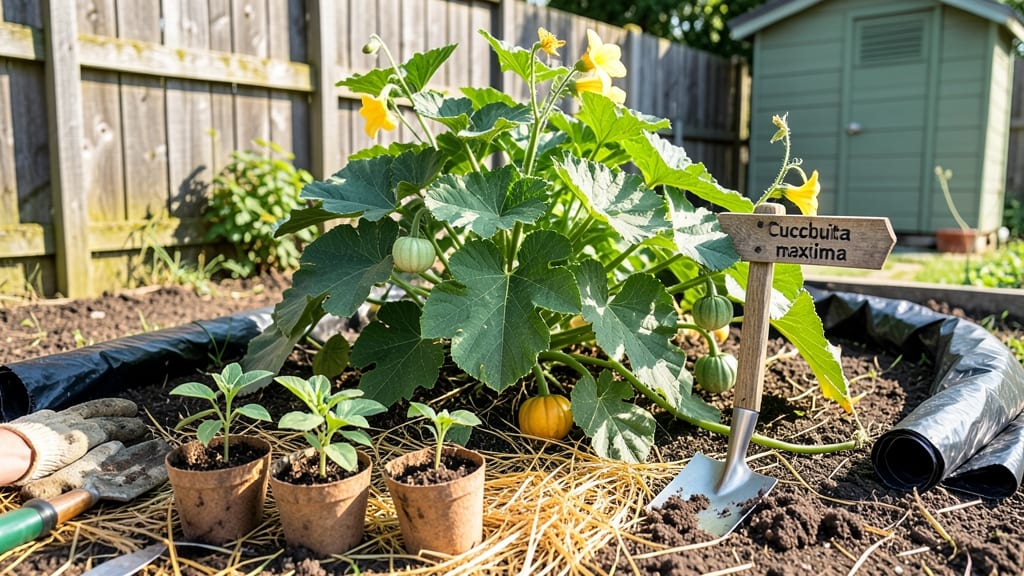
Planting pumpkins in Illinois at the right time can mean the difference between a bountiful harvest and a disappointing flop. With USDA zones 5-6 offering a narrow window between frost threats, timing is everything for your 🎃 to thrive.
Most Illinois gardeners wait until after the last frost date—typically mid-April to early May—but soil temperature matters just as much. Pumpkin seeds need warm ground (at least 60°F) to germinate, so don’t rush into planting if the earth is still chilly.
Whether you’re starting seeds indoors or sowing directly, this guide breaks down the perfect planting timeline for your zone. We’ll also cover the best varieties for Illinois’ climate and quick care tips to ensure your pumpkins grow strong and healthy.
Ready to grow pumpkins that rival the pros? Let’s dive into the frost-free planting schedule that’ll give your garden the edge this season.
Best pumpkin planting dates by Illinois USDA zone (2024 guide)
If you're dreaming of carving Jack-o'-lanterns or baking pumpkin pie this fall, timing your pumpkin planting in Illinois is critical. The average last frost date across Illinois' USDA Zones 5-6 typically falls between April 15-30, but your exact window depends on your specific zone.
Plant too soon, and frost will nip your seedlings; too late, and you’ll miss the 90-120 day growing season needed for a full-sized harvest.
For most of Illinois, the ideal planting window stretches from mid-April to mid-June. However, northern Illinois (Zone 5) gardeners should wait until soil warms to 60°F+—usually late April—while southern Illinois (Zone 6) can start as early as mid-April.
Always check your local Almanac frost dates for precision, as microclimates vary even within counties.
Here’s the critical rule: Never plant pumpkins until the soil temperature at 4 inches deep reaches 60°F. Use a soil thermometer to confirm—cold soil delays germination and invites damping-off disease. In Illinois, this often aligns with Mother’s Day weekend, but don’t rely on the calendar alone.
| USDA Zone | Last Frost Date | Ideal Planting Window | Soil Temp Requirement | Harvest Window |
|---|---|---|---|---|
| Zone 5 (Northern IL) | April 20–May 5 | May 1–June 15 | 60°F+ (late May) | Late Sept–Oct 15 |
| Zone 5b (Central IL) | April 15–April 30 | April 20–June 1 | 60°F+ (early April) | Early Sept–Oct 10 |
| Zone 6 (Southern IL) | March 20–April 15 | Mid-April–May 15 | 60°F+ (early April) | Mid-Sept–Oct 5 |
For direct sowing (planting seeds outdoors), Illinois gardeners should aim for late May in most zones to avoid frost risk. However, if you’re starting seeds indoors (4–6 weeks before transplanting), you can begin as early as March 15 under grow lights.
Use biodegradable pots to minimize transplant shock when moving seedlings outdoors.
Pro tip: Use black plastic mulch to warm soil faster and extend your planting window by 1–2 weeks. This trick is especially useful in Zone 5, where cool springs are common. Lay the mulch 1 week before planting to maximize soil temperature gains.
If you’re in northern Illinois and worried about short seasons, opt for fast-maturing varieties like ‘Jack Be Little’ (75 days) or ‘Small Sugar’ (80 days). These can squeeze into a 90-day window even with a late start.
For southern Illinois, you’ve got room for classic varieties like ‘Howden’ (100 days) or ‘Cinderella’ (110 days).
Remember: Pumpkins need space—each vine requires 50–100 square feet to sprawl. Plan your garden layout now to avoid overcrowding, which leads to poor fruit development and disease spread. Trellising isn’t typical for pumpkins, but bush varieties like ‘Wee-B-Little’ can work in smaller spaces.
Finally, mark your planting dates on a calendar and set reminders for fertilizing (every 4–6 weeks with 10-10-10) and watering (deep soaks every 3–5 days). Consistency is key—pumpkins are thirsty plants, especially during flowering and fruiting.
With these Illinois-specific dates and tips, you’ll be well on your way to a bountiful pumpkin harvest—just in time for fall festivals and holiday feasts! 🎃
Best pumpkin planting dates by Illinois USDA zone (2024 guide)
Illinois spans USDA zones 5-6, where pumpkins need warm soil and frost-free conditions to thrive. The last average frost date ranges from April 15 in southern Illinois to May 1 in northern areas, but soil temperature is just as critical.
Pumpkin seeds won’t germinate until the ground reaches 60°F or warmer, so don’t rush planting just because frost has passed.
For direct sowing, aim to plant seeds 1-2 weeks after your last frost date—typically mid-April to early May in most of Illinois.
If you start seeds indoors 2-3 weeks before the last frost, you can transplant hardened-off seedlings into the garden 2-3 weeks after the frost date for a head start.
Here’s your zone-specific planting timeline to ensure your pumpkins get a strong start before Illinois’ short growing season ends:
Pro tip: Use a soil thermometer to confirm your garden beds have reached 60°F before planting. Cold soil delays germination and weakens seedlings, setting them up for failure in Illinois’ unpredictable springs. If your soil is still chilly, opt for warm-season crops like beans or cucumbers in the meantime.
For northern Illinois gardeners, consider starting seeds indoors in late March to transplant after the last frost. Use biodegradable pots to avoid root disturbance when moving seedlings outdoors.
Southern Illinois growers can push the envelope by planting as early as mid-April, but always monitor weather forecasts for late frosts.
Once planted, give your pumpkins 6-8 hours of sunlight daily and 1-2 inches of water per week, focusing on deep watering at the base. Mulch around plants to retain moisture and regulate soil temperature—a must in Illinois’ variable climate.