
Plants
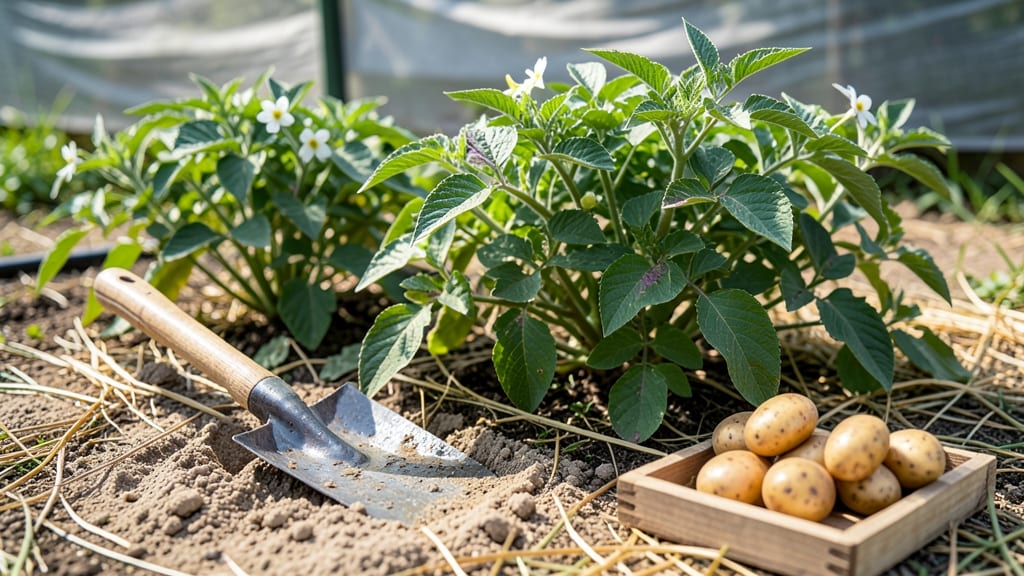
If you've ever wondered when do you plant potatoes in Florida, the answer isn't as simple as just digging in the dirt—Florida's unique climate demands a strategic approach to avoid scorching your crop or inviting pests.
Unlike cooler regions, Florida's 9a-11 zones let you grow potatoes year-round, but timing is everything to maximize yields.
The key to success lies in planting during Florida's cooler months: late January through early April for spring harvests or August through September for fall. These windows help potatoes thrive without battling extreme heat or humidity.
With the right variety, like heat-resistant Yukon Gold or Red Pontiac, you can enjoy fresh tubers from your garden almost any time of year.
What sets Florida apart is its ability to grow potatoes in both spring and fall, avoiding the summer heat that can stress plants. Whether you're in North Florida with its occasional frost or South Florida's frost-free growing season, understanding your local microclimate is the game-changer for a bountiful harvest.
Ready to dig in? I’ll walk you through the best planting times for your specific Florida region, soil prep tips, and how to choose the perfect heat-tolerant varieties. Let’s get those 🥔 growing!
Best planting times for potatoes in Florida’s climate zones
Florida’s unique climate lets you grow potatoes in two main windows: cool-season crops for spring harvests and heat-tolerant varieties for fall yields. Unlike northern states, you won’t deal with harsh winters—but you’ll face intense summer heat that can stress tubers if planted too early.
The key is timing your plantings to avoid 90°F+ temperatures during tuber formation.
Northern Florida (Zones 8a-9a) has cooler winters and occasional light frosts, while Central (9a-9b) and South Florida (10a-11) enjoy year-round growing. Your planting schedule should align with your USDA zone and local frost dates.
For example, North Florida can start as early as January, while South Florida can plant year-round with proper shade and irrigation.
Here’s how to match your region to the perfect planting window for maximum yields:
| Region | Ideal Planting Window | Avoid Temperatures | Harvest Time | Notes |
|---|---|---|---|---|
| North Florida (Zones 8a-9a) | Late January - Early April (spring) or August - September (fall) | Above 85°F during tuber formation | April - May (spring) or October - November (fall) | Use row covers for early spring |
| Central Florida (Zones 9a-9b) | February - March (spring) or August - September (fall) | Above 88°F for extended periods | May - June (spring) or October - November (fall) | Prioritize heat-resistant varieties |
| South Florida (Zones 10a-11) | Year-round (best: September - November or January - February) | Consistent 90°F+ without shade | March - April (winter) or December - January (fall) | Use shade cloth for summer plantings |
For spring plantings, aim to have tubers harvested before June when temperatures climb. In North Florida, a January planting gives you a May harvest just as summer heat ramps up. Meanwhile, fall plantings in August-September let you harvest before December’s occasional frosts in the Panhandle.
If you’re in South Florida, you can push the envelope with summer plantings—but only with heat-tolerant varieties and shade cloth. Start seeds in September under 30% shade, then transplant after October’s heatwave. This method lets you harvest December-January when temperatures drop slightly.
One common mistake is planting too early in spring or too late in fall. For example, a March planting in Central Florida might face 90°F+ soil temps by May, stunting tuber growth. Always check your local frost dates and adjust by 4-6 weeks to account for tuber development time.
Pro tip: Use a soil thermometer to monitor temps. Potatoes thrive when soil stays between 50°F and 75°F. If your soil hits 80°F+, switch to shade-tolerant varieties or delay planting until temperatures drop.
For continuous harvests, stagger plantings every 2-3 weeks. For example, plant January 15, February 1, and February 15 in North Florida to ensure a steady supply from April through June. This technique works year-round in South Florida with proper variety selection.
Remember: Florida’s humidity and sandy soils require extra attention to drainage and moisture. Always plant in raised beds or mounded rows to prevent waterlogging, which leads to rot and disease. With the right timing, you can enjoy homegrown potatoes nearly every month!
Best planting times for potatoes in Florida’s climate zones
Florida’s climate zones—ranging from 9a in the Panhandle to 11 in the Keys—create unique opportunities for growing potatoes. Unlike northern states, Florida’s frost-free windows let you plant potatoes twice a year: once in late winter/early spring and again in late summer/early fall.
The key is avoiding the brutal summer heat (above 90°F) and occasional winter frosts in North Florida.
For North Florida (Zones 8a-9a), where frosts can linger into January, aim to plant seed potatoes between February 15 and March 15 for a spring harvest.
In Central Florida (Zones 9b-10a), you can push planting to late January through early April, while South Florida (Zones 10b-11) gardeners enjoy a longer window from December through March—and even a second chance in August-September for fall harvests.
🌱 Florida Potato Planting Calendar
| Region | Best Planting Window | Harvest Time | Key Consideration |
|---|---|---|---|
| North FL (Zones 8a-9a) | Feb 15–Mar 15 | April–May | Avoid late frosts |
| Central FL (Zones 9b-10a) | Jan 20–Apr 1 | March–June | Shade cloth for summer |
| South FL (Zones 10b-11) | Dec 1–Mar 15 OR Aug 15–Sep 15 | Feb–April OR Oct–Nov | Year-round potential |
Temperature is your biggest ally in Florida potato gardening. Seed potatoes sprout best in 50–70°F soil, so wait until daytime highs consistently stay above 65°F in spring or below 85°F in fall.
In South Florida, where summer heat is relentless, use shade cloth (30-50%) to protect young plants from scorching.
If you’re planting for a fall harvest, start in late August to give tubers time to mature before winter’s chill sets in. For example, Red LaSoda potatoes planted in early September in Central Florida typically yield by late October—just in time for holiday meals.
Timing is especially critical in North Florida, where a late frost can wipe out an entire crop.
Pro tip: Use a soil thermometer to monitor temperatures. If soil stays below 50°F for more than a week, growth slows dramatically. In South Florida, where frost is rare, focus on moisture management—potatoes need consistent watering but hate soggy soil.
A drip irrigation system keeps roots happy without overwatering.
For maximum yields, succession plant every 2–3 weeks during your region’s ideal window. This staggered approach ensures a steady supply of fresh potatoes instead of one big harvest. And remember: heat-tolerant varieties like ‘Sweetheart’ or ‘Kennebec’ are your best bet for Florida’s long, hot summers.