Plants
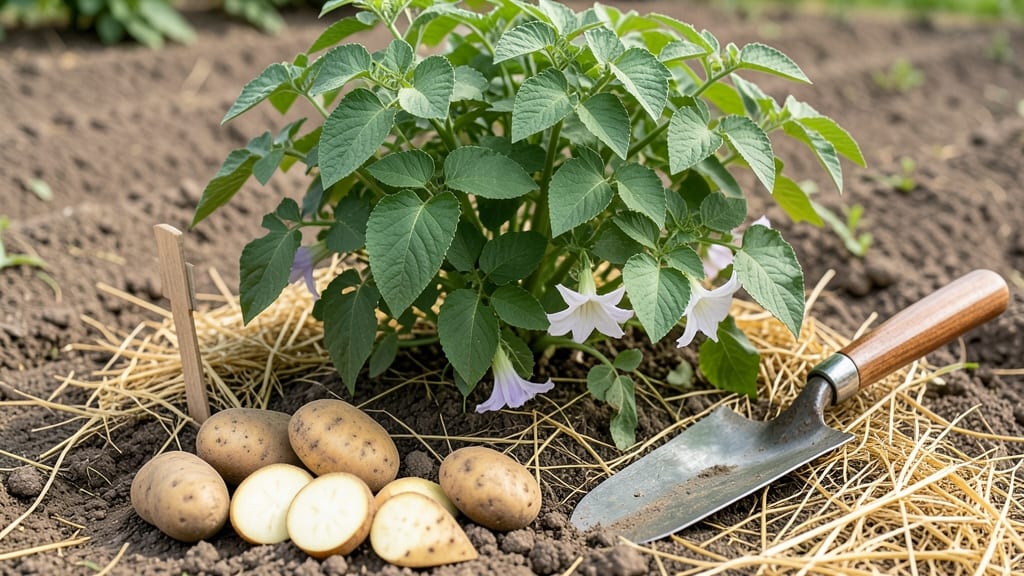
If you've ever wondered when is the best time to plant potatoes in Florida, the answer isn't as simple as "spring" - Florida's unique climate demands a more strategic approach.
Unlike cooler regions, Florida's warm winters and long growing season mean you can actually grow potatoes twice a year, but timing is everything to avoid frost damage or stunted growth.
The key to Florida potato success lies in understanding your specific microclimate - whether you're in frost-prone North Florida or nearly frost-free South Florida. Planting too early in cooler zones risks frost damage, while waiting too long in warmer areas can lead to poor tuber development.
I'll show you exactly how to read your local frost-free window and soil temperature triggers to maximize your harvest.
For Florida gardeners, the ideal planting windows are late February-March for spring potatoes and September-October for fall varieties, with harvests coming just in time for summer and holiday meals.
The right timing doesn't just mean more potatoes - it means larger, healthier tubers with fewer pests and diseases that plague Florida gardens.
Let me walk you through the exact planting schedule tailored to your Florida zone, plus soil prep secrets and variety recommendations that actually thrive in our warm climate. You'll discover how to grow potatoes faster, avoid common Florida-specific problems, and enjoy a continuous harvest from your garden all year round.
Florida’s ideal potato planting window: frost-free dates & climate zones
Florida’s unique climate—with its long frost-free growing seasons and humid subtropical conditions—means you can grow potatoes year-round, but timing is everything. Unlike northern states, Florida’s warm winters and short frost windows create a 90-day frost-free window for planting, with two prime opportunities: late winter/early spring and fall.
Missing these windows risks stunted growth or pest pressure.
Florida spans 8 USDA hardiness zones (8a–11), each with slightly different frost risks. North Florida (zones 8a–8b) faces occasional light frosts, while South Florida (zones 10a–11) rarely dips below 40°F. This means North Florida gardeners must time plantings carefully, while South Florida growers enjoy more flexibility.
The key? Plant when soil temperatures hit 55°F+ and aim for a 90-day harvest window before summer’s extreme heat.
Visual Element: Summary Table
| Florida Zone | Last Frost Date | First Frost Date | Ideal Planting Window | Harvest Window |
|---|---|---|---|---|
| North FL (8a–8b) | ~January 15 | ~December 15 | Late Feb–March | April–May |
| Central FL (9a) | ~December 15 | ~January 15 | January–February | March–April |
| South FL (10a–11) | ~November 15 | ~December 1 | September–October | November–December |
Note: Fall plantings in South FL avoid summer heat but may face hurricane risks.
For North Florida gardeners, the late February to March window is critical—planting too early risks frost damage, while waiting too long shortens your harvest window.
In Central Florida, you can start as early as January, but soil temperatures below 55°F slow germination. South Florida’s fall window (September–October) lets you harvest before winter rains arrive, but watch for hurricane season disruptions.
Pro tip: Use early-maturing varieties (60–75 days) like Red LaSoda or Yukon Gold to maximize yields. For North Florida, stagger plantings every 2–3 weeks to extend harvests. In South Florida, focus on fall plantings to avoid summer’s oppressive heat and humidity.
Adjust your planting schedule based on your local microclimate. Coastal areas may stay warmer longer, while inland zones can drop faster. Check your local frost dates via the National Weather Service or UF/IFAS Extension for precise timing.
A soil thermometer ($10–$15) is your best friend—wait until soil hits 55°F+ before planting.
Missed the spring window? Don’t worry—fall plantings work too! In North Florida, aim for September harvests; in South Florida, October–November plantings yield tubers before winter rains. Just ensure your 90-day window ends before the first frost (or heavy rains in South FL).
Remember: Florida’s humidity and heat accelerate potato growth, but they also increase risks like blight and rot. Proper soil prep (next section!) and shade cloth in peak summer can save your crop. Start with well-drained soil and full sun exposure—these are non-negotiables for Florida potatoes.
🌱
Soil temperature & moisture triggers for potato germination in Florida heat
Florida’s warm winters mean you can grow potatoes year-round—but soil temperature is the real game-changer. Unlike northern states, potatoes need soil at 55°F+ to sprout reliably, and Florida’s humidity adds another layer of complexity.
Planting too early in North Florida’s cooler zones (8a-9a) risks rot, while South Florida’s heat (10a-11) can cause tubers to form too quickly, leading to small harvests.
Most gardeners in Florida plant between late February and March for spring harvests, but soil thermometers are your best friend—wait until temperatures consistently stay above 60°F for at least 24 hours.
In South Florida (zones 10a-11), you can plant as early as January, but avoid planting in summer when soil temps exceed 85°F, which stresses plants and attracts pests.
Humidity is another Florida-specific challenge. Excess moisture in the soil or air promotes fungal diseases like late blight, while dry spells can stunt growth. The key is well-draining soil with consistent moisture—think sandy loam amended with compost.
Test your soil’s drainage by digging a hole: if water pools after 2 hours, amend with perlite or coarse sand to improve airflow.
Florida-Specific Warning: Overwatering = Rot Risk
Potatoes hate soggy soil. Florida’s humid climate accelerates rot, especially in containers or heavy clay. Water deeply but infrequently—aim for 1-2 inches per week, and always water in the morning to let foliage dry before nightfall. Mulch with straw or pine needles to retain moisture without suffocating roots.
Start by chitting your seed potatoes (sprouting in indirect light) 4-6 weeks before planting. This gives you a 2-week head start on growth, critical in Florida’s short 90-day growing window. Use certified disease-free seed potatoes to avoid introducing late blight, a common issue in Florida’s wet seasons.
If you’re planting in containers, choose deep pots (at least 12 inches deep) with drainage holes to accommodate tuber growth.
For organic pest control, Florida gardeners swear by companion planting with marigolds or nasturtiums, which repel Colorado potato beetles. Avoid planting potatoes in the same spot yearly—crop rotation every 3 years prevents soil-borne diseases.
If you notice yellowing leaves or wilting, it’s often a sign of overwatering or fungal infection—adjust your watering schedule immediately.
Pro tip: Harvest early varieties (like Red LaSoda) as soon as tubers reach 2 inches in diameter to avoid overheating in Florida’s summer. Use a fork to loosen soil gently—never pull plants by the stems, or you’ll damage tubers.
Cure harvested potatoes in a cool, dark, dry place (50-60°F) for 1-2 weeks to thicken skins and improve storage life.
Remember, Florida’s climate is unpredictable—always keep an eye on local weather forecasts and adjust your planting timeline accordingly. With the right soil prep and moisture balance, you’ll beat the heat and enjoy a homegrown potato harvest even in the Sunshine State! 🌱