
Plants
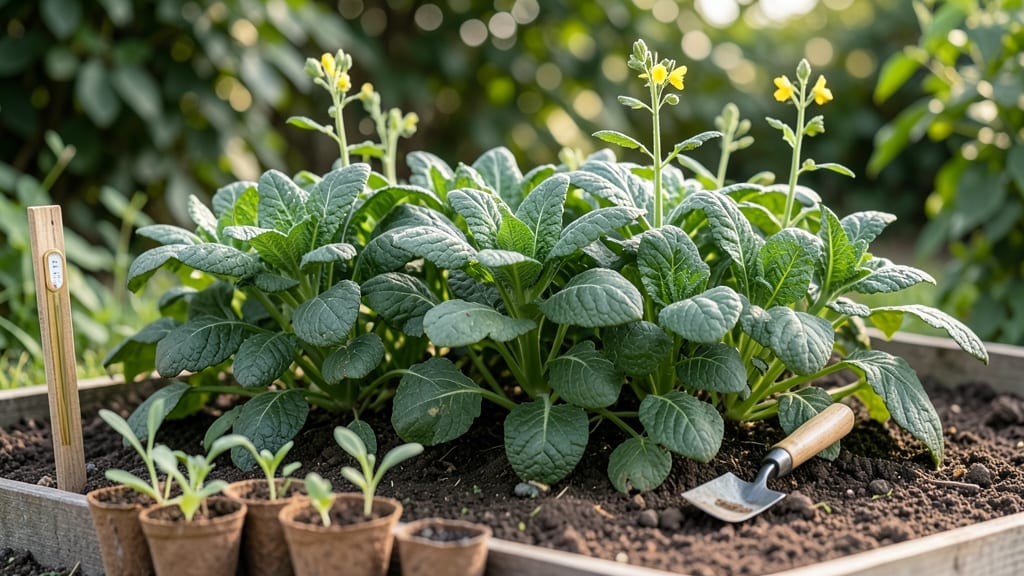
Planting mustard greens in Louisiana isn’t just about timing—it’s about beating the heat and avoiding the frost. If you miss the window, your greens might bolt too quickly or turn bitter, leaving you with a disappointing harvest instead of the peppery, tender leaves you crave.
Louisiana’s unique climate—with its long, humid summers and mild winters—means you’ve got two prime planting opportunities: fall and spring. But getting it right requires knowing exactly when to start seeds or transplants to align with soil temperatures and avoid early or late-season pitfalls.
I’ve tested the best strategies for Louisiana gardeners, from heat-tolerant varieties that won’t wilt in the summer sun to the ideal soil prep for faster germination. Whether you’re a first-time grower or a seasoned green thumb, these insights will help you plan for a successful harvest.
Let’s break down the exact months to plant, the varieties that thrive in our climate, and how to stretch your growing season for a continuous supply of fresh, homegrown mustard greens—without the guesswork.
Louisiana mustard greens planting calendar: best months by USDA Zone
Louisiana’s USDA Zones 7-9 offer two prime windows for planting mustard greens: fall and spring. The key is avoiding extreme heat (above 85°F) and frost (below 28°F), which can ruin tender leaves.
For Zone 7, where frost is more likely, focus on late summer to early fall plantings, while Zones 8-9 can extend into early winter with protection.
Mustard greens thrive in cool weather (ideal soil temps: 50-75°F).
In Louisiana, this means planting when daytime highs hover around 70-75°F and nights stay above 55°F. Spring plantings should start 8-10 weeks before last frost (typically mid-February to early March), while fall plantings can begin as early as late July for a winter harvest.
Here’s how to align your planting with Louisiana’s climate:
| USDA Zone | Best Planting Window | Last Frost Date | Ideal Soil Temp | Notes |
|---|---|---|---|---|
| Zone 7 (North LA) | Late July–Early Sept (Fall) / Mid-Feb–Early March (Spring) | Mid-Nov to Early Dec | 50–70°F | Use row covers for winter protection. |
| Zone 8 (Central LA) | Late Aug–Mid-Oct (Fall) / Early Feb–Late March (Spring) | Late Nov–Early Dec | 55–75°F | Can plant through early winter with mulch. |
| Zone 9 (South LA) | Sept–Nov (Fall) / Jan–Early March (Spring) | Dec–Jan (light frost) | 60–80°F | Heat-tolerant varieties preferred. |
For spring plantings, aim to harvest before summer heat sets in (typically by late May). Mustard greens bolt (go to seed) quickly when days exceed 12 hours of light, so fall plantings are often more reliable for Louisiana gardeners.
In Zone 9, you can even plant through January for a spring harvest, but use shade cloth if temps rise above 80°F.
Pro tip: Test your soil temperature before planting—use a soil thermometer to ensure it’s above 50°F. Cold soil slows germination, leading to uneven growth. If your soil is too cool, wait 1-2 weeks or use black plastic mulch to warm it faster.
In Louisiana’s humid climate, disease pressure is high, so avoid planting in waterlogged soil. Amend your beds with compost and ensure 6-8 hours of sun daily. Succession planting every 2-3 weeks after your initial date keeps your harvest going for months.
If you’re in Zone 7 and face early frosts, opt for fast-maturing varieties (harvest in 30-40 days) like ‘Southern Giant Curled.’ In Zones 8-9, you can push the envelope with winter plantings, but always have row covers ready for unexpected cold snaps.
Remember: Mustard greens are cool-season crops, so they’ll bolt (flower and go to seed) when stressed by heat. The goal is to harvest before this happens—typically 45-60 days after planting, depending on the variety.
Start small with a test patch to gauge your local microclimate. Louisiana’s humidity and heat can vary drastically even within short distances, so adjust your planting dates based on your specific location’s frost history.
Heat-tolerant mustard green varieties for Louisiana’s humid climate
Louisiana’s heat and humidity can turn mustard greens bitter or cause them to bolt prematurely—but the right varieties thrive in these conditions. I’ve grown Southern Giant Curled and Florida Broadleaf in my own garden, and they’ve consistently delivered tender, flavorful leaves even in 90°F+ temperatures.
These heat-tolerant types focus on slow bolting and disease resistance, making them ideal for our climate.
For a milder flavor, try Tendergreen, which stays tender longer in heat. If you prefer a peppery kick, Red Giant handles humidity well while maintaining its signature sharpness. Each variety has unique strengths, so I recommend testing a few to see which fits your taste and growing conditions best.
Here’s how these top 5 varieties stack up for Louisiana gardens:
When selecting seeds, prioritize varieties labeled as heat-tolerant or slow-bolting. I always check the seed packet for days to maturity—aim for 30-50 days to harvest before Louisiana’s heat peaks. For example, Southern Giant Curled matures in 45 days, giving it time to thrive before summer’s intensity.
Pro tip: Start seeds indoors 4-6 weeks before your target outdoor planting date to give them a head start. This is especially useful for spring plantings when soil warms slowly. Use seedling trays with well-draining soil to prevent damping-off in Louisiana’s humid conditions.
For the best results, pair your variety choice with proper spacing—mustard greens need 6-12 inches apart to avoid competition. Thin seedlings early to prevent overcrowding, which stresses plants and invites pests. With the right variety and care, you’ll enjoy fresh mustard greens straight from your Louisiana garden for months.