
Plants
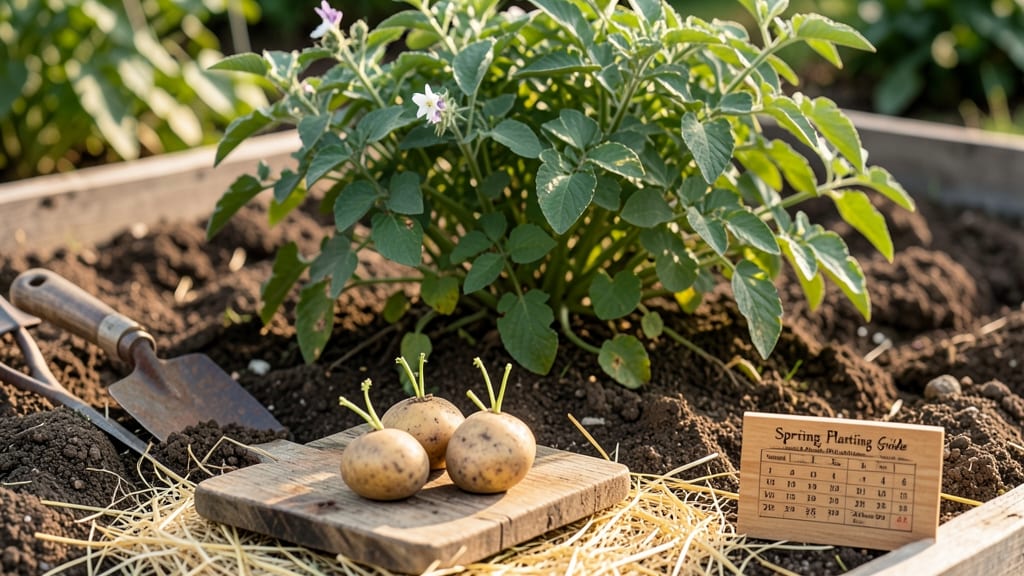
Timing when do you plant potatoes in Indiana could mean the difference between a thriving harvest and a disappointing one—especially when unpredictable spring weather throws frost dates into chaos.
With the state's USDA Zones 5b-6b climate, knowing exactly when to plant isn't just a suggestion; it's the key to avoiding late blight risks and maximizing your yield.
Most Indiana gardeners swear by planting between early March and mid-April, but the real secret lies in watching for soil temperatures to rise above 45°F—a critical threshold for seed potatoes to sprout without rotting.
If you're eager to get a jumpstart, some varieties like Yukon Gold can handle cooler soil, while others need that perfect balance of warmth and moisture.
What if your spring decides to play hard to get with frost warnings? Don't panic—we'll cover how to adjust your planting schedule based on frost-free deadlines and soil conditions, so you can still enjoy a bountiful harvest.
Whether you're a seasoned gardener or just starting, these insights will help you plant with confidence.
Ready to turn your Indiana garden into a potato powerhouse? Let's dive into the exact planting windows, variety-specific tips, and weatherproof strategies that will set you up for success—no guessing games required.
Indiana potato planting deadlines by variety: early, mid, and late season timelines
Indiana’s USDA Zones 5b-6b create a unique challenge for potato growers, where last frost dates can swing wildly from year to year.
For most of the state, the average last frost falls around April 15, but northern regions like Gary may wait until April 25, while southern areas like Evansville can plant as early as March 25.
These variations mean your planting window could shift by 3-4 weeks depending on location.
To simplify, I’ve broken down planting deadlines by potato variety—early-season (60-90 days to harvest), mid-season (90-120 days), and late-season (120+ days). Early varieties like Yukon Gold give you the most flexibility, while late-season Russets demand precision. Let’s dive into the exact planting windows that work for Indiana’s climate.
Pro Tip: Use a soil thermometer to confirm 45°F soil temperature before planting—cold soil delays sprouting. If your soil is still chilly, opt for black plastic mulch to warm it faster.
| Variety Type | Planting Window (Indiana) | Days to Harvest | Best For | Notes |
|---|---|---|---|---|
| Early Season (e.g., Yukon Gold, Red Norland) | March 15 - April 5 | 60-90 days | Fresh eating, short seasons | Plant 2-3 weeks before last frost; harvest by June 15. |
| Mid Season (e.g., Kennebec, Russet) | April 1 - April 15 | 90-120 days | Storage, baking, all-purpose | Avoid planting after April 20—risk of late blight increases. |
| Late Season (e.g., Fingerling, Purple Peruvian) | April 15 - May 1 (northern IN) / April 1 - April 15 (southern IN) | 120-150 days | Organic gardens, heirloom varieties | Use row covers if planting after April 25. |
| New Potatoes (e.g., Red Bliss, White Rose) | April 10 - May 10 | 50-70 days | Salads, quick harvests | Harvest small tubers when foliage is half-grown. |
🌱 Planting Deadline Reminder: Indiana’s late blight risk peaks after May 1—avoid planting after this date unless using resistant varieties.
For northern Indiana (e.g., Fort Wayne, South Bend), stick to the earlier windows—March 15-April 5 for early varieties—to avoid shortened growing seasons. In southern Indiana (e.g., Louisville, Terre Haute), you can push planting to April 15 for mid-season varieties without risking frost damage.
Always check your local USDA frost map for precise dates.
If you’re gardening in containers, start seed potatoes indoors 4-6 weeks before your target outdoor planting date. Use grow lights to simulate 12-14 hours of light daily, and transplant seedlings when they reach 6 inches tall. This trick extends your planting window by 2-3 weeks.
Warning: Indiana’s humidity and rain create perfect conditions for late blight, a fungal disease that can wipe out crops. Space your planting dates so harvests occur over 3-4 weeks—this reduces exposure. For example, plant Yukon Gold in March and Russets in early April to stagger maturity.
Don’t forget to rotate crops—potatoes are heavy feeders and deplete soil nutrients. Avoid planting them in the same spot year after year, and consider companion planting with marigolds or nasturtiums to deter pests like colorado potato beetles. These small steps can boost your yield by 20-30%.
For organic gardeners, focus on certified organic seed potatoes and use compost tea or fish emulsion for fertilizer. Organic varieties like Adirondack Blue or Purple Majesty thrive in Indiana’s soil and resist common diseases without synthetic inputs. Just be patient—organic potatoes often take 10-14 extra days to mature.
Finally, mark your calendar for harvest dates! Early varieties like Red Norland are ready by <
How to adjust planting dates for Indiana’s unpredictable weather: soil temperature and frost risks
Indiana’s unpredictable spring frosts can throw off even the most carefully planned potato planting schedule. If your last frost date slips later than expected—say, past April 15—don’t panic. The key is adjusting your planting window based on soil temperature rather than just calendar dates.
Seed potatoes need soil to warm to at least 45°F to sprout without rotting, so if your ground stays cold, hold off until conditions improve.
For gardeners in northern Indiana (Zone 5b), where frosts linger longer, consider starting with early-maturing varieties like Red LaSoda or Kennebec. These can tolerate cooler soils and still deliver a harvest in 90 days or less.
In southern Indiana (Zone 6b), where springs warm faster, you might even squeeze in a second planting of fast varieties like Yukon Gold in early June for a fall harvest.
🚨 WARNING: Planting too early in cold soil risks rotten tubers and wasted seed potatoes. Use a soil thermometer to check temperatures at a 4-inch depth—the ideal range for planting is 50-60°F.
If your soil is still below 45°F in early April, wait it out. Patience now means healthier plants later.
🌡️ Frost Risk Adjustments
Late frost threat? Use black plastic mulch or row covers to warm soil faster and protect young plants. For seedlings already in the ground, drape lightweight frost cloth over plants if temperatures dip below 32°F after sprouting.
Early frost warning? Harvest new potatoes (small tubers) early or use straw mulch to insulate soil and extend the season by 2-3 weeks.
If your spring is unusually wet, delay planting until the soil drains well. Waterlogged conditions lead to disease pressure (like late blight) and poor tuber formation. Amend heavy clay soils with compost or sand to improve drainage before planting.
For containers, choose fast-draining mixes and plant in black pots to absorb more sunlight and warmth.
Pro tip: Chit your seed potatoes 4-6 weeks before planting by placing them in a bright, cool spot (around 60°F) with the rose end up. This jumpstarts sprouting, giving you a head start when soil conditions finally cooperate.
Just don’t let them sprout too early—wait until you see 1-inch sprouts before planting.
For those in microclimates (like urban gardens or south-facing slopes), you might plant 1-2 weeks earlier than the general guidelines. Monitor local weather forecasts and use frost-free date calculators from your county extension office for hyper-local advice.
With these adjustments, you can turn Indiana’s weather whims into a potato-growing advantage.