
Plants
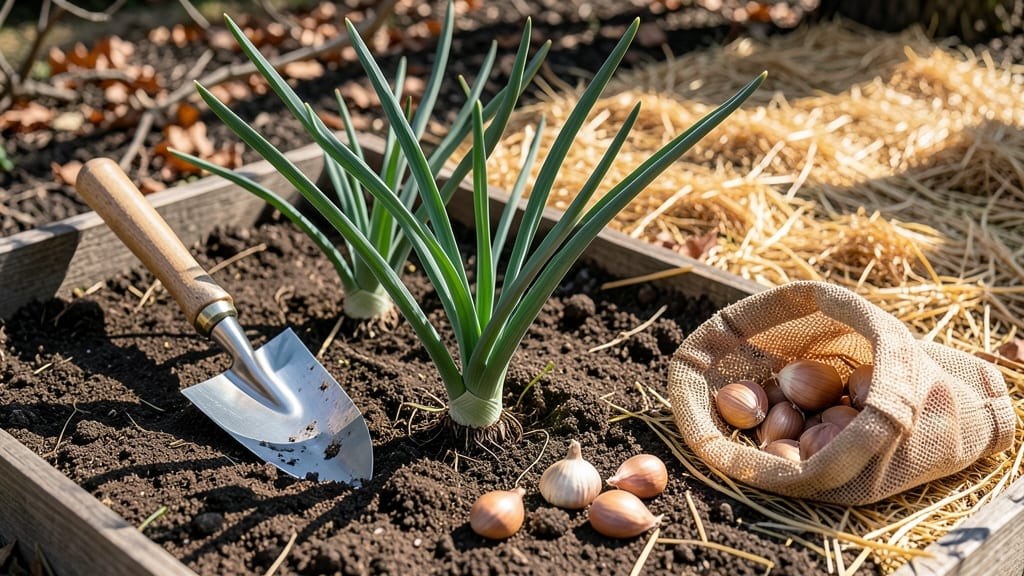
If you’re planting garlic in New York and want bulbs that rival the size of your dinner rolls, timing is everything—and getting it wrong can mean wasted effort or bitter disappointment.
The key isn’t just picking a month; it’s understanding how your hardiness zone (whether you’re in frosty Upstate or milder NYC) dictates the perfect window to avoid the dreaded "zero-bolt" failure that even seasoned gardeners face.
Most gardeners know garlic thrives in fall, but here’s the secret: October through November is your golden ticket for hardiness zones 5b-7a, where soil temps hover just right—40-50°F—to trigger root growth before winter sets in.
Skip this, and you risk bolting (those sad, flower-stalked cloves that never form bulbs), or worse, bulbs that stay small enough to fit in a thimble.
What you’ll discover here is how to sync your planting with New York’s unpredictable climate, from soil prep tricks to variety picks that handle our wild swings between snow and sudden warmth.
Whether you’re a backyard grower in Brooklyn or a farmhand in Albany, these zone-specific tips will turn your garlic patch into a flavor-packed success story.
Ready to grow garlic so big it makes your grocery store cloves look like pebbles? Let’s dive into the exact months, soil secrets, and variety choices that’ll have you harvesting plump, zero-bolt bulbs by next summer.
New York garlic planting calendar by hardiness Zone (exact months)
New York’s USDA hardiness zones 5b-7a create dramatic differences in garlic planting success. In Zone 5b (Upstate), you have until early November, while Zone 7a (NYC) gardeners can plant through mid-November.
The key? Planting 4-6 weeks before ground freezes—when soil temps drop to 40-50°F—ensures bulbs establish roots before winter dormancy.
Fall planting is 90% of New York’s garlic success. Spring planting is risky due to high humidity and disease pressure, but if you must, aim for early March to early April—before soil warms above 50°F.
The last frost dates (Mid-November to Early December) mark your deadline for fall prep, not planting.
Moon phases matter too! Planting during the waxing moon (just after the new moon) boosts bulb formation. For Zone 6b (Central NY), this means planting in late October—when the moon is waxing and soil is still workable.
Miss this window, and you risk bolting (premature flowering) or stunted growth.
🌱
| Zone | Fall Planting Window | Soil Temp Threshold | Spring Planting Window | Critical Deadline |
|---|---|---|---|---|
| 5b (Upstate) | October 15–November 5 | 40–50°F | March 1–15 | November 10 (first frost) |
| 6a (Western NY) | October 20–November 10 | 40–50°F | March 10–25 | November 20 (first frost) |
| 6b (Central NY) | October 25–November 15 | 40–50°F | March 15–April 5 | November 25 (first frost) |
| 7a (NYC/Long Island) | November 1–15 | 40–50°F | March 20–April 10 | December 1 (first frost) |
For Zone 5b gardeners, early October is your last chance for fall planting. Use a soil thermometer to confirm temps are below 50°F—this signals garlic to stop growing and enter dormancy.
In Zone 7a, you can push it to mid-November, but mulch heavily (6+ inches of straw) to insulate bulbs through winter.
Spring planting in New York is high-risk due to fungal diseases like white rot. If you choose this route, sterilize soil with a 10% hydrogen peroxide solution and avoid overhead watering. For hardneck varieties (like ‘Music’), spring planting can work, but softnecks (like ‘Silverskin’) bolt easily in NY’s warm springs.
Pro tip: Pre-chill cloves for 4 weeks at 35–40°F before planting. This mimics winter dormancy and doubles bulb size in Upstate NY. Store cloves in a paper bag in your fridge starting in September.
🌿
Harvest timing varies by planting season. Fall-planted garlic is ready in late June–July, while spring-planted garlic matures in July–August. Look for brown lower leaves and green upper leaves—this means bulbs are 80% mature. Wait too long, and bulbs split or sprout prematurely.
In Zone 6b, I’ve seen 3x larger bulbs from fall-planted garlic compared to spring. The secret? Cold stratification during winter forces garlic to focus energy on bulb formation, not foliage. Skip this, and you’ll end up with small, weak cloves—or worse, bolted scapes that taste bitter.
New York garlic planting calendar by hardiness Zone (exact months)
New York’s hardiness zones 5b-7a create a tricky balance for garlic growers—plant too early, and you risk bolting from warm soil; too late, and winter freezes stunt growth.
The sweet spot? October through November, when soil temps drop to 40-50°F and days grow shorter, signaling garlic to focus on bulb development instead of flowering.
For Zone 5b (Upstate NY), aim for mid-October to early November. In Zone 6b (Central NY), stretch your window to late October through early December.
Meanwhile, Zone 7a (NYC, Long Island) gardeners have until early December—but don’t wait too long, or your cloves may rot before spring.
Here’s the non-negotiable rule: Plant at least 4-6 weeks before ground freezes. Use a soil thermometer to confirm temps are below 50°F at night. Pro tip: In humid areas like NYC, avoid spring planting—excess moisture triggers fungal diseases like white rot.
Spring planting is possible in Zone 7a, but it’s risky—March to early April works if you use cold-hardy varieties like ‘German White’ and monitor for fungal diseases. The trade-off? Spring-planted garlic often yields smaller bulbs and bolts faster due to longer daylight.
Pro move: Prep your soil in September by amending with compost and aged manure. Aim for a pH of 6.0-7.0—garlic hates acidic soil, which triggers nutrient deficiencies and stunted growth. Mulch with straw after planting to insulate cloves through winter’s temperature swings.
Remember: Zero-bolt success hinges on timing, soil, and variety. Skip the shortcuts, and you’ll harvest plump, flavorful bulbs that make store-bought garlic look like pebbles by next summer. 🧄