
Plants
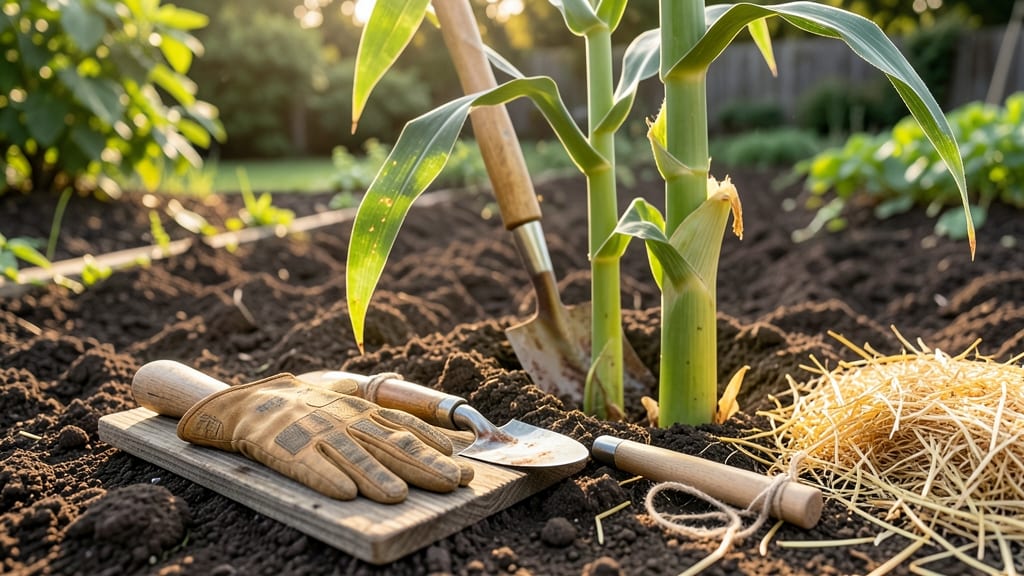
Timing your corn planting in Western Washington could mean the difference between sweet, plump 🌽 ears and a disappointing harvest. The key to success lies in waiting for that perfect frost-free window—usually between late April and early June—when soil temperatures hit 60°F and stay there.
Why does this matter so much? Corn is sensitive to cold, and planting too early risks bolting (premature flowering) or stunted growth. In USDA Zone 8a, where spring can be unpredictable, getting the timing right ensures your plants have enough warmth to thrive before summer’s heat arrives.
I’ll walk you through the exact frost-free timeline for your region, how to adjust for microclimates, and the best corn varieties that handle Western Washington’s cooler nights. No more guesswork—just reliable, high-yielding crops by harvest season.
Ready to grow corn that’s worth bragging about? Let’s break down the steps to plant with confidence and avoid common pitfalls that trip up even experienced gardeners.
Western Washington corn planting timeline: avoiding frost and bolting risks
Corn thrives in Western Washington’s warm summers, but the key to success lies in planting at the right time. The last frost date varies by region—typically mid-April in the Puget Sound and late April in inland areas like Yakima.
Planting too early risks frost damage, while waiting too long can lead to bolting (premature flowering) due to short days.
Corn needs at least 90-120 frost-free days to mature, so aim for a May planting window in most areas. If you’re in a cooler microclimate, like the San Juan Islands, consider early June planting to extend the season. Always check your local USDA Zone 8a guidelines for precise timing.
Soil temperature is critical—corn won’t germinate well below 50°F (10°C), but roots struggle below 60°F (15°C). Use a soil thermometer to confirm readiness. In Western WA, soil typically warms to 60°F by late May, making this the safest window for most gardeners.
🌽 Western WA Corn Planting Timeline
| Stage | Action | Notes |
|---|---|---|
| Last Frost | Mid-April (Puget Sound) / Late April (Inland) | Wait 2 weeks after last frost. |
| Soil Temp | 60°F+ (15°C+) | Use a soil thermometer for accuracy. |
| Ideal Planting | Late May - Early June | Best for full maturity before frost. |
| Germination | 7-14 Days | Keep soil moist until sprouts appear. |
| Harvest Window | July - September | Ears ready 75-110 days after planting. |
🌡️ Pro Tip: In cooler years, opt for shorter-season varieties (e.g., 'Golden Bantam') to ensure harvest before frost.
If you’re eager to plant earlier, consider starter plants or a mini greenhouse to jumpstart growth. However, direct sowing in biodegradable pots (like corn husks) is ideal for Western WA’s cool, wet springs. This method reduces transplant shock and encourages faster establishment.
Bolting is a major risk in Western WA’s short growing season. To prevent it, choose early-maturing varieties (60-75 days to harvest) and plant in full sun locations. Avoid planting near trees or structures that cast shade, as corn needs 6-8 hours of direct sunlight daily to develop properly.
For gardeners in higher elevations (e.g., Mount Rainier foothills), push planting to early June to maximize the 165-day frost-free window. Use row covers or black plastic mulch to warm the soil faster. Always monitor your local weather forecasts for unexpected cold snaps.
Once planted, maintain consistent moisture—corn roots need 1-2 inches of water weekly, especially during tasseling (pollination). In Western WA’s humid climate, water in the morning to prevent fungal diseases like corn smut. Mulch with straw to retain moisture and regulate soil temperature.
Remember, Western Washington’s microclimates vary dramatically. What works in Seattle may fail in Spokane, so adjust your timeline based on your specific location. With the right timing and care, you’ll enjoy homegrown corn that rivals your favorite farmers' market finds! 🌽
Western Washington corn planting timeline: avoiding frost and bolting risks
Western Washington’s USDA Zone 8a climate creates a narrow window for planting corn—too early and frost will damage seedlings, too late and your harvest suffers. The last average frost date typically falls around April 15, but soil temperature is the real game-changer.
Corn needs soil at least 60°F (15°C) to germinate properly, which usually happens in late April to early May in most regions.
Why does this matter? Corn is sensitive to cold, and planting too soon risks bolting (premature flowering) or stunted growth. The 165 frost-free days in Western WA mean you have just enough time to grow sweet corn varieties from seed to harvest.
Missing this window could leave you with underdeveloped ears or no harvest at all.
Here’s the critical timeline for planting corn in Western Washington:
| Stage | Action | Timeframe |
|---|---|---|
| Soil Prep | Test soil pH (ideal: 6.0-7.0), add compost, and till to 12 inches deep. | March-April |
| Planting | Sow seeds 1 inch deep, 4-6 inches apart in rows 30 inches apart. | Late April-Early June |
| Germination | Keep soil moist; seedlings emerge in 7-14 days if soil is ≥60°F. | May |
| Thinning | Thin to 12 inches apart when plants reach 6 inches tall. | Late May-June |
| Harvest | Pick when silks turn brown and kernels are milky when pierced. | July-September |
If you’re in the Puget Sound area, aim for late April to early May—warmer microclimates near water can push your window earlier. For eastern Washington or higher elevations, wait until mid-May to avoid late frosts.
Always check your local Western WA AgWeatherNet station for real-time soil temps to fine-tune your schedule.
Pro tip: Use black plastic mulch to warm soil faster if you’re planting early. This can shave off 1-2 weeks of waiting time and give your corn a head start in cooler springs. Just remove it once plants are established to prevent overheating.
Remember, corn needs 75-110 days to maturity, so count backward from your first frost (mid-October) to determine your latest safe planting date. In Western WA, this usually means no later than early June for most varieties.
Miss this, and you’ll be left with underripe ears or no harvest at all.