
Plants
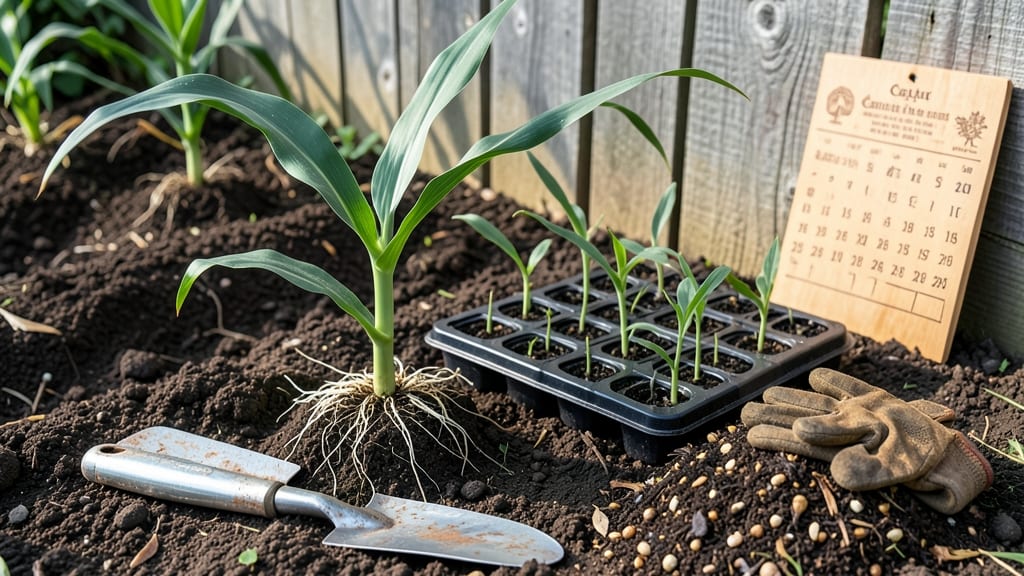
Timing your 🌽 corn planting in California isn’t just about following a calendar—it’s about dodging bolting, heat stress, and even frost. Get it wrong, and you might end up with tough kernels or no harvest at all.
The key? Knowing your zone’s last frost date and soil temperature thresholds, whether you’re in coastal Zone 9b-10a or the Central Valley’s 9a-10a.
If you’ve ever wondered why some gardeners swear by early March plantings while others wait until June, the answer lies in microclimates.
Coastal areas can start as early as March, but inland zones like the Central Valley or desert regions need to wait until soil hits 60°F—usually mid-April to early July. The goal? Beat the heat while giving your plants enough time to mature before summer’s peak.
I’ll break down the exact planting windows for your region, plus pro tips to avoid common mistakes. From choosing heat-tolerant varieties like Silver Queen to testing soil temps with a simple thermometer, you’ll learn how to time your corn for a zero-bolt harvest—no guesswork required.
Ready to grow sweet, tender corn that’s ready to pick by summer? Let’s dive into the zone-specific deadlines and tricks that’ll make your harvest the envy of the neighborhood.
California corn planting deadlines by USDA hardiness Zone (avoid bolting & heat stress)
California's diverse climate—from coastal fog to Central Valley heat—means planting corn at the right time varies dramatically by region. In USDA Zones 7-10, timing isn't just about frost dates; it's about avoiding bolting (premature flowering) and heat stress that turns sweet kernels woody.
Let's break down the zone-specific deadlines for your area.
Coastal areas (like San Francisco or Santa Barbara) have longer growing seasons but cooler soils, while the Central Valley (e.g., Fresno) and desert regions (like Palm Springs) demand earlier starts to beat the summer heat.
For example, Silver Queen corn thrives in Zone 9b if planted in March-April, but Bodacious needs a May start in Zone 10a to avoid bolting.
| Region | USDA Zone | Last Frost Date | Planting Window | Soil Temp Threshold | Heat-Tolerant Varieties |
|---|---|---|---|---|---|
| Coastal (SF, Santa Barbara) | 9b-10a | Feb 15 - Mar 15 | Mid-March to early May | 60-65°F (15-18°C) | Silver Queen, Peaches & Cream |
| Central Valley (Fresno, Bakersfield) | 9a-10a | Feb 28 - Mar 15 | Mid-April to early June | 65-75°F (18-24°C) | Bodacious, Country Gentleman |
| Desert (Palm Springs, Joshua Tree) | 9b-10a | Jan 31 - Feb 15 | Late February to early April | 70-80°F (21-27°C) | Golden Bantam, Early Sunglow |
In coastal California, where fog delays warming, aim to plant sweet corn varieties like Silver Queen by March 15 to ensure harvests before summer heat sets in. The Central Valley, however, can push planting later—up to early June—thanks to its longer, hotter summers.
For desert regions, early starts (by February) are critical to finish before 100°F+ temps stress plants.
Pro tip: Use a soil thermometer to confirm 60°F+ soil temps before planting. Cold soil slows germination, while heat above 85°F can trigger bolting. In Zone 10a, shade cloth (30-50%) can buy you 2-3 extra weeks of ideal growing conditions for late-season varieties.
For succession planting, stagger seeds every 2 weeks to extend harvests. In cooler zones (9b), plant early-maturing varieties (60-70 days) first, then switch to 90-day varieties for later plantings. This ensures you avoid overlapping harvests and maximize your garden space.
Remember, direct sowing is best for corn—transplants struggle with root trauma. Drop seeds 1 inch deep, 12 inches apart, and 36 inches between rows. Thinning seedlings to 8-12 inches apart prevents overcrowding, which spreads diseases like corn smut.
If you're in Zone 10a and miss the spring window, don't despair! Plant heat-tolerant varieties like Peaches & Cream in late July for a fall harvest before frost. Just be prepared for shorter day lengths, which can slow growth.
Bolting is your biggest enemy in California's long summers. To prevent it, choose short-season varieties (70 days or less) for early plantings and longer-season types (90+ days) for late starts. Mulch with straw or grass clippings to keep roots cool and hydrated.
How to time corn planting for zero-bolt harvests (soil temp, variety, and shade tricks)
Timing your corn planting in California isn't just about avoiding frost—it's about preventing bolting (premature flowering) and ensuring heat-tolerant varieties thrive. The key? Soil temperature must reach 60°F (15°C) before seeds go in, and you'll need to adjust for your microclimate (coastal vs. inland).
For coastal areas like San Francisco or Santa Barbara, where cooler temps linger, start seeds indoors 4-6 weeks before your last frost date (typically March 15).
Inland regions like the Central Valley can plant directly outdoors as early as late April, while desert areas like Palm Springs should aim for March to escape summer's brutal heat.
🌱Pro Tip: Use a soil thermometer to confirm readiness—corn won’t germinate below 50°F (10°C), and ideal temps are 60-85°F (15-29°C). If your soil is too cold, try shade cloth (30-50%) to slow early growth and prevent bolting.
🌽 Numbered Highlights for Perfect Timing
- 1. Test Soil Temp: Wait until soil hits 60°F (15°C)—use a thermometer for accuracy.
- 2. Choose Heat-Tolerant Varieties: Opt for Bodacious or Peaches & Cream (they handle 90°F+ better than Silver Queen).
- 3. Adjust for Microclimates: Coastal: March-April | Inland: April-May | Desert: March.
- 4. Use Shade Cloth: Cover seedlings with 30-50% shade if temps exceed 85°F (29°C).
- 5. Plant in Blocks: Space rows 2-3 ft apart for pollination; avoid single rows.
If you're planting in June or later, focus on fast-maturing varieties (60-70 days to harvest) like Ambrosia or Golden Bantam. These can escape the late-summer heat that turns kernels tough. For coastal gardeners, consider a second planting in July—the cooler ocean breezes extend the growing season.
💡Shade Trick: For early starts, use floating row covers to protect seedlings from hot afternoon sun while allowing full light for photosynthesis. Remove covers once plants reach 6 inches tall to encourage strength.
Remember, bolting (when corn flowers too early) is your biggest enemy in California’s unpredictable climate. By monitoring soil temps, picking the right variety, and adapting to your microclimate, you’ll avoid tough, starchy kernels and enjoy sweet, tender ears all season.