
Plants
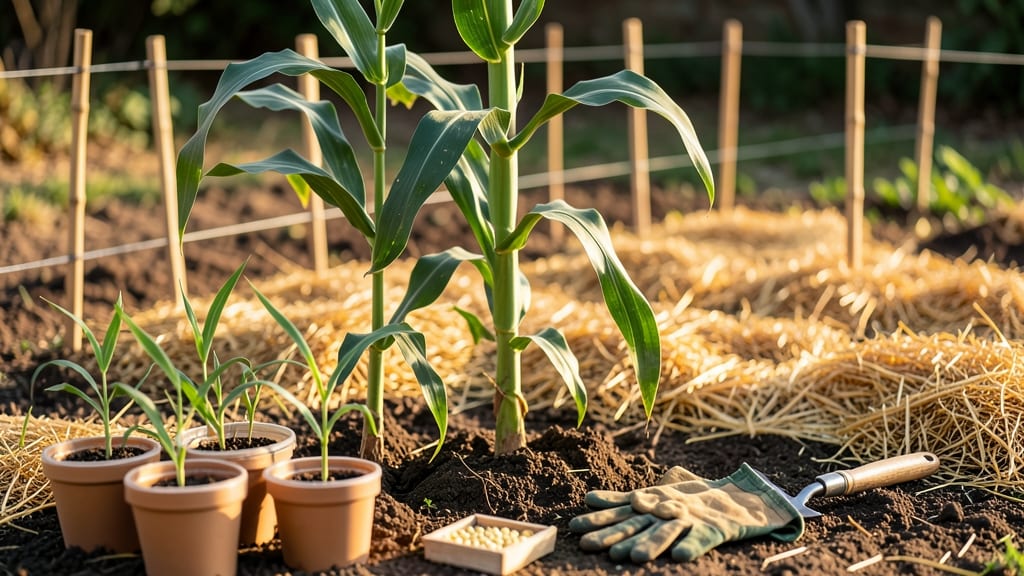
Timing your 🌽 corn planting in San Diego isn’t just about the calendar—it’s about catching that sweet spot when soil temperatures hit 60°F or higher. Skip this window, and you’ll end up with bolting plants that never produce ears, wasting your effort and seeds.
Here’s the kicker: San Diego’s coastal breezes and inland heat create two completely different planting zones. What works for gardeners in USDA Zone 10a near the coast might fail just 10 miles inland, where summer heat arrives weeks earlier.
Getting this right means the difference between a bumper crop and a sad, stunted disappointment.
I’ve grown corn in San Diego for years, and I’ll show you exactly when to plant—down to the soil temperature triggers that prevent bolting. Plus, I’ll share my top tips for adjusting your schedule based on whether you’re near the ocean or tucked into the hills.
Ready to turn your garden into a cornucopia?
Let’s dive into the exact planting windows, soil prep secrets, and variety choices that’ll have you harvesting plump, sweet ears from June through September. No more guesswork—just proven results for San Diego’s tricky climate.
San Diego corn planting calendar: exact soil temp triggers to prevent bolting
San Diego’s microclimates create a tricky balance for corn growers. While the city rarely sees frost, soil temperature swings between coastal chill and inland heat make timing critical. Plant too early, and your corn will bolt from cold stress; too late, and summer’s 75°F+ soil will trigger premature flowering.
The sweet spot? 50°F–60°F soil temperatures for germination, with air temps consistently above 60°F.
Coastal areas like La Jolla or Pacific Beach may need to wait until late March due to cooler ocean breezes, while inland spots like Escondido can plant as early as mid-February.
Always check soil temps with a soil thermometer—don’t rely on air temps alone! A 3-inch depth reading gives the most accurate picture of what your seeds will experience.
| Planting Window | Soil Temp (°F) | Air Temp (°F) | Microclimate Notes |
|---|---|---|---|
| Late February | 55-60°F | 60-65°F | Inland areas (e.g., Escondido) |
| Early March | 50-55°F | 55-60°F | Transition zone (e.g., Carlsbad) |
| Late March | 60-65°F | 65-70°F | Coastal areas (e.g., Mission Beach) |
| April (last chance) | 65-70°F | 70-75°F | Use shade cloth for seedlings |
🌱 Pro Tip: Test soil temps at 3-inch depth for 3 consecutive days before planting.
San Diego’s USDA Zone 10a might suggest year-round planting, but corn needs cool soil to germinate. If you plant in May or June, your soil will likely be above 75°F, causing seeds to bolt before forming ears.
For a second crop, try fast-maturing varieties like ‘Golden Bantam’ (60 days) and plant in early June—but expect smaller ears.
Another critical factor is day length. Corn responds to longer daylight hours by flowering. In San Diego, days exceed 14 hours by late March, so planting after this date risks bolting. Pair this with soil warmth, and you’ve got a recipe for disaster.
Use black plastic mulch to warm soil faster if you’re in a rush, but monitor temps closely—above 80°F soil will stress seedlings.
For container growing, aim to plant by mid-March in 12-inch-deep pots with heat-retaining fabric.
Containers cool faster than in-ground soil, so keep them in south-facing spots and use self-watering systems to maintain moisture. Dwarf varieties like ‘Tom Thumb’ are ideal for pots but still need 60°F+ soil to thrive.
Watch for false starts: If your soil hits 60°F in February but drops back below 50°F, seeds may sprout then stall. Use row covers to protect young plants from coastal winds, which can further chill soil.
Inland areas face the opposite risk—rapid warming can cause seedlings to outgrow their roots before establishing properly.
Finally, harvest timing depends on your planting date. Corn planted in late February will likely be ready by mid-July, while March plantings may harvest in August.
Use silk color as your guide: brown and dry means it’s time to pick! If silks stay green and moist, your corn isn’t ready yet.
San Diego’s unpredictable coastal fog can delay soil warming by weeks. If your soil thermometer reads below 50°F in March, wait—patience prevents bolting. With the right timing, you’ll go from seed to ear in just 75–90 days, avoiding the heartbreak of tasseling without ears. 🌽
How to adjust planting dates for San Diego’s coastal heat: a step-by-step guide
San Diego’s coastal heat can turn your corn into a bolting disaster if you plant too early. The key is adjusting your timeline based on soil temperature and microclimate variations.
Unlike inland areas, coastal regions like La Jolla or Pacific Beach stay cooler longer, while Chula Vista or El Cajon heat up faster. Use these steps to fine-tune your planting schedule.
First, check your local soil temperature using a soil thermometer—corn needs 60°F–65°F soil to germinate. In San Diego, this typically happens in late February to early April, but coastal areas may delay by 2–3 weeks.
For inland zones, you can plant as early as mid-February if soil warms early.
Next, choose fast-maturing varieties like ‘Golden Bantam’ (60 days) or ‘Silver Queen’ (80 days) to avoid summer bolting. These varieties thrive in San Diego’s 75°F+ soil without rushing to flower. Slow-maturing types like ‘Country Gentleman’ (110 days) need cooler inland microclimates or shade cloth.
Test Soil Temperature
Use a soil thermometer to confirm 60°F+ at 2-inch depth. Coastal areas may need to wait until early April.
Adjust for Microclimate
Coastal (e.g., Ocean Beach): Plant 3 weeks later than inland. Inland (e.g., Ramona): Plant 2 weeks earlier if soil warms fast.
Use Shade Cloth for Heat Zones
In 75°F+ soil, cover seedlings with 30–50% shade cloth to slow growth and prevent bolting. Remove cloth once plants reach 12 inches tall.
Finally, stagger plantings every 10–14 days to extend your harvest window. This ensures you’re not overwhelmed with ripe ears all at once while maximizing yield. For example, plant one batch in late February (inland) and another in early April (coastal) to cover both microclimates.
With these adjustments, you’ll avoid the common bolting trap in San Diego and enjoy sweet corn from June through September. Just remember: patience is key—rushing leads to tough, starchy kernels instead of tender, milky perfection. 🌽