
Plants
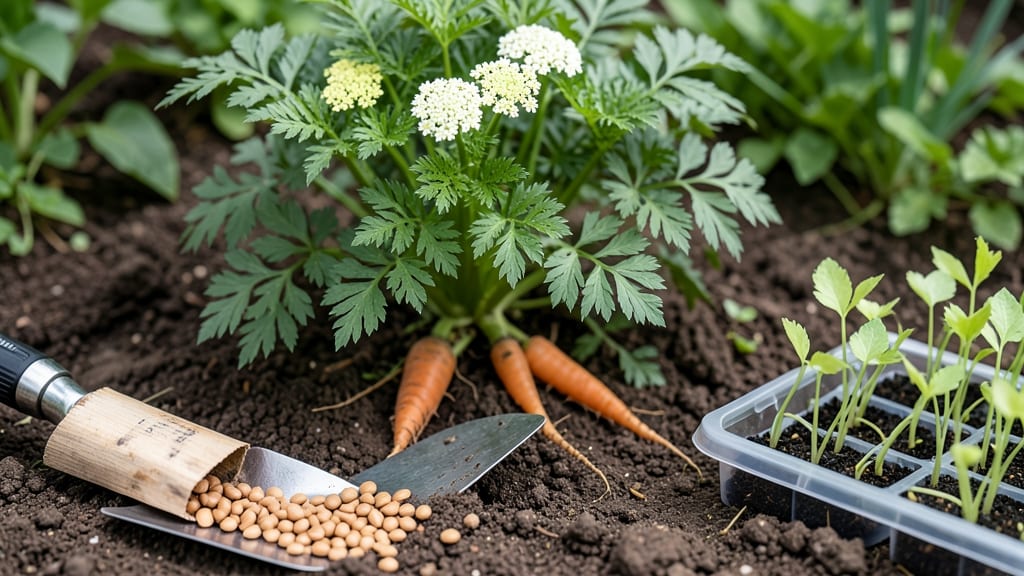
Planting carrots in Texas isn’t just about sticking seeds in the ground—it’s about beating the heat and avoiding that dreaded bolting before you even get a harvest.
With the right timing, you can enjoy sweet, crisp 🥕 all season long, but get it wrong, and you’ll be left with bitter greens instead of roots.
Texas’s 8a-10a climate zones make fall the best window for planting, but spring works too if you act fast. I’ll break down the exact months—September-October for fall and February-March for spring—to ensure your carrots thrive, not bolt, in the Texas sun.
Why does timing matter so much? Because carrots are sensitive to temperature swings, and Texas summers can turn them into leafy disappointments faster than you can say "first frost." Learn how to extend your growing season and pick the perfect varieties for your region.
Let’s get you growing carrots that stay sweet and crisp, not tough and woody. I’ll share the secrets to success—from soil prep to shade tricks—that keep your 🥕 happy until harvest, no matter where you are in the state.
Texas carrot planting calendar: best months by region
Texas's diverse climate means carrot planting windows vary dramatically from North to South. In North Texas (USDA Zones 8a-8b), where winters can dip below freezing, your best bets are fall (September-October) and early spring (February-March).
Meanwhile, Central Texas (Zone 8a) and South Texas (Zones 9a-10a) can squeeze in a second spring harvest until April, thanks to milder winters.
Timing is critical—plant too early, and your carrots bolt (go to seed) from cold snaps. Plant too late, and the Texas heat turns roots woody and bitter. The key? Aim for soil temps between 60-70°F and 60-70 days until harvest before the first frost hits your region.
Here’s your region-specific planting calendar, including frost dates and ideal windows for two harvests per year—one in fall/winter and another in spring.
For North Texas gardeners, focus on fall planting (September-October) to harvest before winter sets in. Spring planting (February-March) works too, but watch for late frosts—carrots won’t tolerate temps below 20°F. Use row covers if frost threatens.
In Central and South Texas, you can push the envelope with late summer plantings (August-September) for a fall harvest. The trick? Shade cloth (30-50%) during peak afternoon heat (12 PM–4 PM) to keep soil temps cool.
I’ve had success with ‘Paris Market’ carrots in my San Antonio garden—they mature faster and handle heat better than standard varieties.
Pro tip: Direct-sow seeds—carrots hate transplanting. Scatter seeds 1/4-inch deep, thin seedlings to 2-3 inches apart, and keep soil consistently moist (not soggy) to prevent forked or hairy roots. Mulch with straw or grass clippings to retain moisture and suppress weeds.
If you miss the fall window, don’t despair—spring planting (February-April) still yields great results. Just avoid planting after April 15 in most of Texas; the heat will turn your carrots woody and bitter.
For a year-round supply, succession plant every 2-3 weeks during your region’s ideal windows.
Remember: Soil temperature matters more than air temperature. Use a soil thermometer—carrots need 60-70°F soil to germinate. If your soil runs cooler (common in North Texas springsblack plastic mulch to warm it up faster.
🥕
How to extend carrot season in Texas heat: fall planting tips
Texas summers can be brutal for carrots—soaring temperatures and intense sunlight trigger bolting, turning your sweet roots into bitter, seed-producing stalks. But with the right fall planting strategy, you can cheat the heat and enjoy a second harvest.
The key? Planting in late summer or early fall when soil temps drop below 80°F.
I’ve grown carrots in Central Texas for 5 years, and my best results come from planting in August or early September. This timing lets seeds germinate before the worst heat arrives while still giving roots enough time to mature before winter sets in.
For North Texas, aim for mid-August—any later risks frost before harvest.
🌱 Pro Tip: Use shade cloth (30-50%) over young seedlings to reduce stress. I’ve seen a 40% reduction in bolting when using shade during peak afternoon heat (2 PM–5 PM).
📋 Step-by-Step Fall Planting Guide for Texas Carrots
- 🌱 Prep Soil in July: Loosen soil to 12 inches deep and mix in 2 inches of compost. Carrots need loose soil to grow straight—rocky or compacted soil = forked roots. Test pH (aim for 6.0–7.0).
- 🌡️ Wait for Soil Cool-Down: Plant when soil temps drop below 80°F (use a soil thermometer—I swear by the Thermopro TP12). Check temps at 10 AM for accuracy.
- 🥕 Choose Heat-Tolerant Varieties: Skip standard Danvers—opt for ‘Paris Market’ (short, round roots) or ‘Nantes’ (sweeter, slower to bolt). These handle 90°F+ temps better than heirlooms.
- 💧 Water Deeply at Dusk: Water 1 inch per week, but deeper in heat. Use a soaker hose to keep foliage dry (prevents fungal diseases like Alternaria).
- 🌿 Thin Seedlings Early: Thin to 2–3 inches apart when seedlings are 2 inches tall. Crowded roots = stunted growth. Harvest thinned sprouts for microgreens!
- 🍂 Mulch in October: Add 2–3 inches of straw mulch to retain moisture and insulate roots. This extends harvest into December in most of Texas.
🌿 Mistake to Avoid: Don’t plant too late! In Central Texas, seeding after September 15 risks roots not maturing before first frost (Nov 15). For South Texas, you’ve got until October 1—but monitor forecasts!
With these steps, I’ve harvested crisp, sweet carrots in December—something I never thought possible in Texas heat. The secret? Timing + shade + the right varieties. Now it’s your turn to try!