
Planting
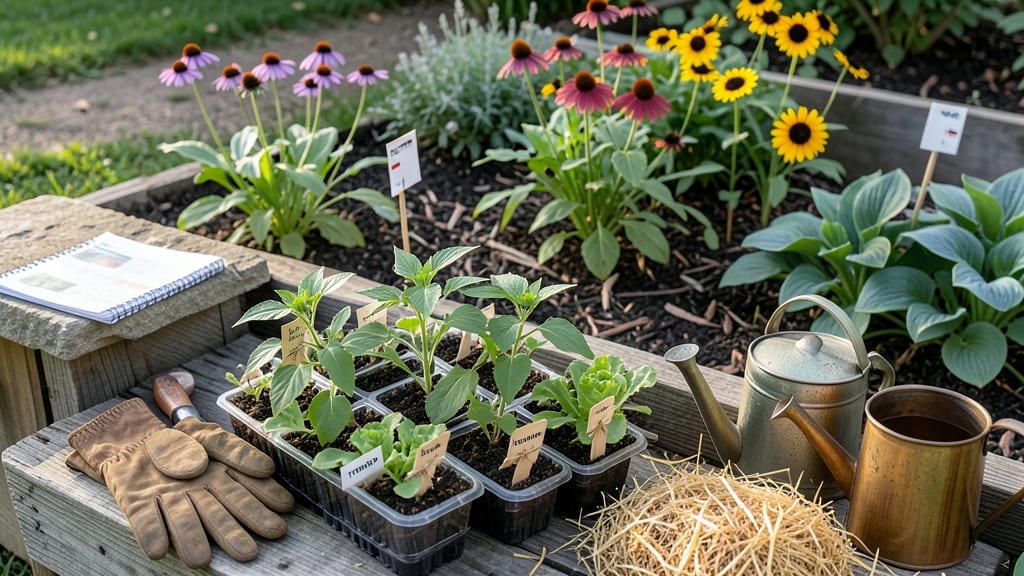
If you’ve ever watched your carefully planted seeds wither under Ohio’s infamous late frosts, you know timing is everything in gardening. The perfect planting window in Ohio isn’t just about the calendar—it’s about understanding your USDA zone, local frost patterns, and soil warmth.
Whether you’re in Zone 4 near Toledo or Zone 7 in Cincinnati, getting it wrong can mean the difference between a bountiful harvest and wasted effort.
Most Ohio gardeners make the mistake of rushing into the garden as soon as spring arrives, only to face unexpected cold snaps. But with the right strategy, you can beat the odds and extend your growing season.
I’ll show you exactly when to plant—from cool-season crops like spinach to heat-loving tomatoes—so you can avoid common pitfalls and maximize your garden’s potential.
What if you could plant with confidence, knowing exactly when to start seeds indoors or set out transplants? That’s the goal here: giving you zone-specific deadlines tailored to Ohio’s climate.
We’ll cover everything from early spring starts to late-summer succession planting, so you’re never left guessing about frost dates or soil temperatures.
Ready to transform your gardening game? Let’s dive into the science and secrets behind Ohio’s most successful planting schedules—so you can finally grow the garden you’ve always dreamed of.
Ohio’s planting deadlines by USDA Zone: exact dates for vegetables, flowers, and herbs
Ohio’s USDA Plant Hardiness Zones 4-7 mean your planting schedule should vary by county—whether you’re in Toledo (Zone 6a), Columbus (Zone 6b), or Cincinnati (Zone 6a/7a).
The last average frost date shifts from mid-April in southern Ohio to late May in the northeast, while first frost arrives as early as October 15 in the north.
Knowing these windows helps you avoid frost damage to tender crops like tomatoes and peppers while maximizing yields for cool-season greens like spinach and kale.
For warm-season crops (think tomatoes, peppers, cucumbers), wait until soil temperatures hit at least 60°F—usually mid-May to early June in most of Ohio. Cool-season crops (like lettuce, peas, and broccoli) can go in 4-6 weeks before the last frost, often March to early April. Herbs like basil thrive when planted after frost, while hardy perennials (e.g., lavender, coneflowers) can handle early spring soil.
Here’s a zone-by-zone breakdown of Ohio’s planting deadlines, including last frost dates by region and ideal transplant windows for your favorite plants. Use this as your garden calendar to align planting with Ohio’s climate quirks.
| Zone | Last Frost Date | Warm-Season Start | Cool-Season End | Key Crops |
|---|---|---|---|---|
| 4a (Northeast OH: Youngstown, Akron) | May 15–20 | June 1–10 | April 1–15 | Tomatoes, Peppers, Kale, Spinach |
| 5b (Central OH: Columbus, Dayton) | April 25–May 5 | May 15–25 | March 15–April 1 | Tomatoes, Basil, Lettuce, Carrots |
| 6a (Southwest OH: Toledo, Cincinnati) | April 10–20 | May 1–15 | March 1–15 | Peppers, Cucumbers, Radishes, Onions |
| 7a (Southeast OH: Athens, Chillicothe) | March 25–April 5 | April 15–May 1 | February 15–March 1 | Eggplants, Okra, Sweet Potatoes, Collards |
*Dates vary yearly; check Ohio Frost-Free Calculator for real-time updates.
Pro tip: Southern Ohio (Zones 6a-7a) can plant 2-3 weeks earlier than the north. For example, Cincinnati gardeners might start tomato seeds indoors in March, while Youngstown gardeners should wait until late April. Always harden off seedlings for 7-10 days before transplanting to avoid shock.
Frost-sensitive plants (like tomatoes, peppers, and basil) need consistent warmth, so use row covers or cold frames if planting early. Cool-season crops (e.g., spinach, peas) tolerate light frosts—just cover them if temps drop below 25°F. And don’t forget succession planting: Sow lettuce every 2 weeks from spring to fall for continuous harvests.
If you’re unsure about your last frost date, check the Ohio State University Extension or local Master Gardener groups. They track microclimate variations (e.g., urban heat islands in Columbus vs. rural frost pockets in Appalachian counties).
For perennials, plant in early spring or fall when soil is workable but not frozen.
Extension tip: In Zone 4a, wait until Memorial Day to plant tomatoes—early starts often fail due to late-May frosts. Meanwhile, Zone 7a gardeners can plant sweet potatoes as early as April 15 without risk. Adjust for elevated areas (like Hocking Hills), where frosts linger longer.
For herbs, basil loves warm soil (plant after May 10 in most of Ohio), while parsley thrives in cool weather and can handle early spring plantings. Flower beds? Annuals (like marigolds, zinnias) go in after frost, while perennials (e.g., black-eyed Susans) can wait until late spring for better root establishment.
Remember: Soil temperature > air
How to adjust planting for Ohio’s microclimates: urban heat islands vs. rural frost pockets
Ohio’s diverse geography means your planting timeline should depend on where you live. Urban areas like Columbus and Cincinnati experience heat islands that warm soil faster, while rural spots in Appalachian counties can linger in frost longer.
Even within the same USDA Zone, these microclimates shift planting windows by 1-3 weeks.
For example, Toledo’s Zone 5b might see last frost dates around April 20th, while nearby Findlay’s Zone 5a could face late frosts until May 5th. This difference means tomatoes planted in Toledo on May 1st may thrive, but the same seeds in Findlay could still face frost damage.
| Microclimate | Key Feature | Planting Adjustments | Example Locations |
|---|---|---|---|
| Urban Heat Islands | Soil warms 1-2 weeks earlier | Start warm-season crops (tomatoes, peppers) 7-10 days earlier | Columbus, Cincinnati, Cleveland |
| Rural Frost Pockets | Late frosts possible until May | Delay planting until after May 15th; use row covers | Youngstown, Steubenville, Zanesville |
| Elevated Regions | Cooler temps at higher elevations | Plant cool-season crops (spinach, peas) 2 weeks later; extend fall planting | Appalachian foothills (e.g., Athens, Cambridge) |
To navigate these differences, use a soil thermometer—most warm-season crops like tomatoes need soil temps above 60°F, while cool-season crops like lettuce can handle 40°F soils. Check local frost-free calculators from the Ohio State University Extension for county-specific data.
For urban gardeners, consider container gardening to take advantage of heat retention. Pots warm up faster and let you plant herbs and peppers weeks before ground planting. Meanwhile, rural gardeners should prioritize cold-hardy varieties or use frost cloths to protect early plantings.
Even within cities, microclimates vary by neighborhood. A north-facing yard stays cooler, while south-facing plots warm up faster. Observe your garden’s patterns for 3 years to refine your planting schedule. For example, my Zone 6b garden in Dayton gets 2 weeks of extra warmth compared to nearby rural areas.
Use these adjustments to avoid common pitfalls: Overestimating warmth in urban areas or underestimating frost risk in rural zones. With the right tweaks, you can extend your growing season by 4-6 weeks—whether you’re planting early spring peas or late-season kale. 🌱