
Plants
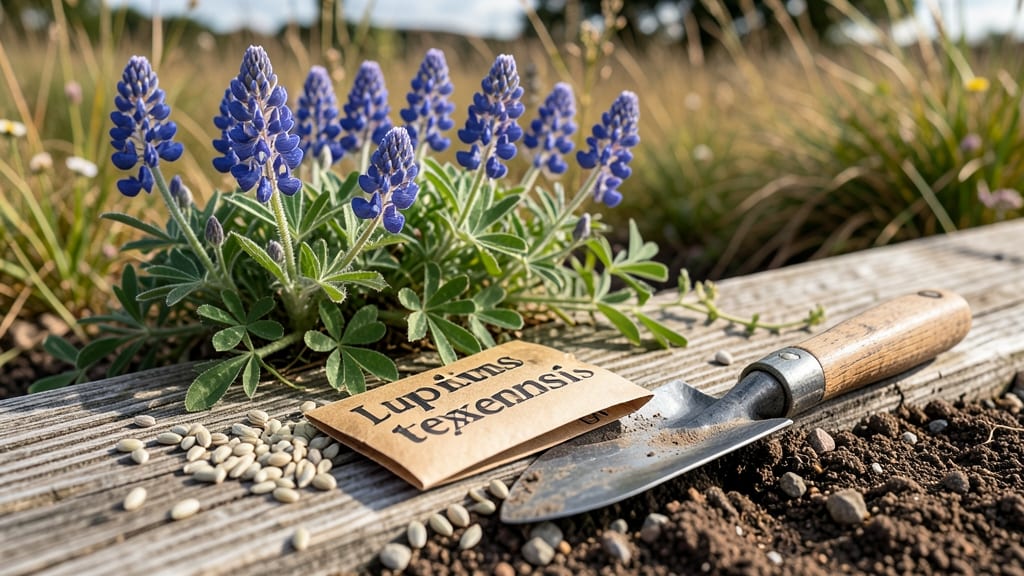
Planting bluebonnets at the wrong time in North Texas can mean waiting years for those iconic 💜 blooms to appear. The secret to vibrant spring displays lies in understanding your exact USDA zone—whether you're in 8a or nearby areas—and when to sow seeds for optimal germination before winter chill sets in.
Most gardeners in North Texas swear by fall planting, but timing matters more than you might think. Planting too early means battling summer heat, while waiting too long risks frost damage before roots establish.
The ideal window of late September through early November gives bluebonnets the perfect head start for next spring's showstopping display.
What makes North Texas unique? Our alkaline soils and occasional late frosts demand special prep work. I'll walk you through exactly how to prepare your soil, choose the right planting method, and avoid common pitfalls that turn hopeful gardeners into frustrated waiters. Let's get those bluebonnets blooming on schedule!
Whether you're a first-time planter or a seasoned gardener, these zone-specific tips will help you transform your landscape into a sea of blue. Ready to learn the exact steps that make all the difference between success and disappointment? Let's dive in.
Best planting months for bluebonnets in North Texas by USDA zone
Bluebonnets (Lupinus texensis) are Texas' official state flower for a reason—they thrive when planted at the perfect time. In North Texas, USDA Zones 7b, 8a, and 8b all share similar climates, but subtle differences in frost dates mean your planting window can shift by 2-3 weeks.
Getting this right ensures vibrant blooms next spring instead of sparse, weak growth.
Most North Texas gardeners swear by fall planting because it gives seeds time to germinate before winter dormancy. However, spring planting is possible if you act quickly—just know it requires extra care to compensate for the shorter growing season.
Let’s break down the best months for each zone to maximize your bluebonnet success.
🌱
| USDA Zone | Optimal Planting Window | Why This Timing? | Bloom Time |
|---|---|---|---|
| 7b (e.g., Denton, Jacksboro) | Late September – Early November | Avoids late summer heat; seeds germinate before first frost (avg. Dec 15). | March – April |
| 8a (e.g., Dallas, Fort Worth) | Mid-September – Mid-October | Warmer winters allow germination through November; blooms slightly earlier. | Late February – April |
| 8b (e.g., Waco, Temple) | Early September – Early October | Longer growing season; seeds can germinate even in December if moisture is present. | February – March |
| Spring Backup (All Zones) | Mid-February – Early March | Risky but possible; requires consistent moisture and light fertilization. | May – June (delayed) |
Pro Tip: Plant after a soaking rain to ensure seeds make contact with moist soil.
For USDA Zone 7b, the window is narrower because colder winters mean seeds need to establish roots before December’s first frost. In Zone 8a, you’ve got a bit more flexibility—planting into early November can still work if your soil stays warm.
Meanwhile, Zone 8b’s longer growing season lets you push planting into October without worrying about winter dormancy.
If you miss fall planting, don’t despair—spring planting is an option, but it’s trickier. Seeds planted in February or March need daily watering to prevent drying out, and they’ll likely bloom 2-3 weeks later than fall-planted seeds.
I’ve tried this method, and while it’s doable, the results aren’t as reliable as fall planting.
Another key factor is soil temperature. Bluebonnet seeds need soil temps between 60°F and 75°F to germinate. In North Texas, this usually aligns with September and October, but if you’re in a microclimate (like a sunny slope), you might see earlier germination.
Always check soil temps with a soil thermometer if you’re unsure.
🌿
One common mistake I see is planting too early in August or early September. While the weather might feel perfect, the intense summer heat can cause seeds to dry out before they germinate.
Aim for late September at the earliest to give seeds the best chance. Similarly, planting after mid-November risks exposing young seedlings to winter stress.
For large-scale plantings (like meadows or roadside areas), consider using a seed spreader to ensure even distribution. For smaller gardens, simply scatter seeds by hand and lightly rake them into the soil. Bluebonnets are self-seeding, so once established, they’ll naturalize and spread year after year with minimal effort.
Finally, remember that bluebonnets are biennials—they often bloom in their second year. Planting at the right time ensures they’ll have enough energy to store in their roots for that showstopping spring display. Patience pays off with these Texas natives!
☀️
Best planting months for bluebonnets in North Texas by USDA zone
North Texas spans USDA Zones 7b, 8a, and 8b, and each zone has its own perfect window for planting bluebonnets. The key is to sow seeds 4-6 weeks before your first frost—typically between late September and early November.
This timing ensures seeds germinate before winter dormancy sets in, giving your bluebonnets the best chance to bloom next spring.
For Zone 7b (like parts of the Panhandle), aim for mid-September through October. Cooler nights in this zone mean seeds can germinate faster, but don't wait past early November—frost can damage tender seedlings.
In Zones 8a and 8b (covering Dallas, Fort Worth, and Austin areas), the window stretches slightly later: late September through early November.
Why does timing matter so much? Bluebonnets need consistent moisture for germination but can't handle soggy soil. Planting too early (like August) risks summer heat stress, while planting too late (December) may leave seeds exposed to freezing temperatures before they sprout.
The sweet spot balances these risks for vibrant blooms.
| USDA Zone | Best Planting Window | Key Consideration | Bloom Time |
|---|---|---|---|
| 7b (Panhandle) | Mid-September to October | Cooler nights; avoid late November frost | March–April |
| 8a (Dallas/Fort Worth) | Late September to early November | Balanced heat/moisture; sow before first frost | March–May |
| 8b (Austin area) | Late September to early November | Warmer winters; extend window slightly later | March–May |
Spring planting is possible but riskier. If you miss fall, sow seeds in early February—just before the last frost—to give them time to establish before summer heat arrives.
However, spring-sown bluebonnets often bloom later or less vigorously than fall-planted ones, so I recommend sticking to fall for the best results.
Pro tip: Check your local first frost date (usually mid-January in North Texas) and count backward 6 weeks. This gives you a precise planting deadline tailored to your microclimate. For example, if frost hits January 15, aim to plant by early November to avoid winter stress on seedlings.
Ready to plant? Mark your calendar for late September or early October—the difference between a sea of blue next spring and a patchy disappointment. The wait is worth it when those iconic blooms take over your landscape! 💜🌱