
Plants
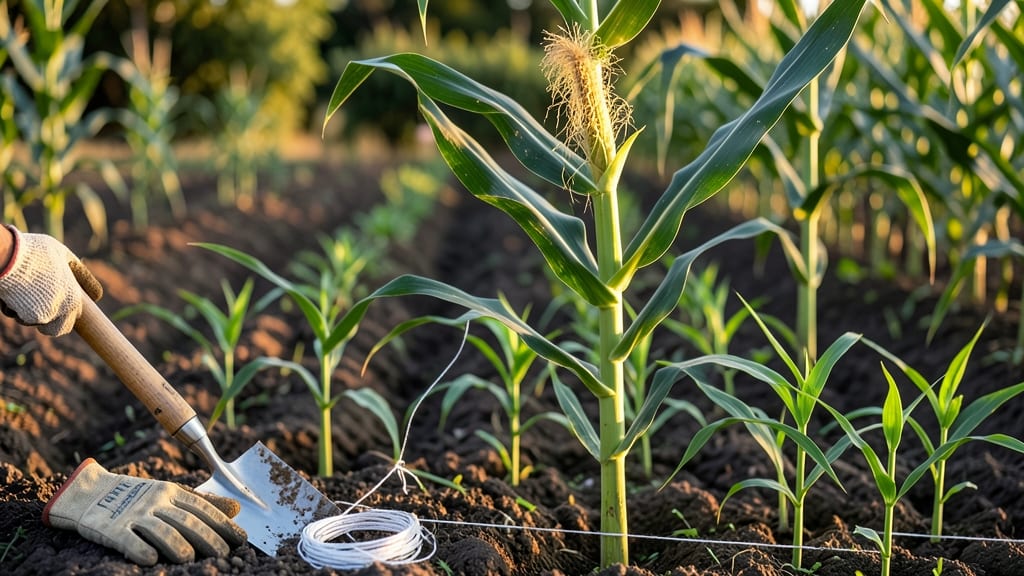
Timing your 🌽 corn planting in Pennsylvania wrong could mean the difference between a bumper crop and a sad, wilted disappointment. With the state's varied climate zones—from 5b in the north to 7a in the south—getting the window right is absolutely critical.
Most gardeners in Pennsylvania wait until after the last frost, typically mid-April to early June, but that's just the starting point. The real secret lies in soil temperatures—waiting until they hit at least 60°F ensures your seeds germinate properly and grow strong.
Skipping this step often leads to stunted plants or worse.
I’ve learned the hard way that rushing corn into cold soil can backfire, especially in cooler zones like 5b. But don’t worry—this guide will walk you through the exact planting windows, soil prep tips, and even how to adjust for Pennsylvania’s unpredictable weather patterns.
Let’s make sure your corn thrives from seed to harvest.
Whether you’re a first-time gardener or a seasoned pro, knowing when to plant corn in Pennsylvania isn’t just about the calendar—it’s about reading your local microclimate. We’ll cover everything from frost dates to variety selection, so you can enjoy sweet, plump ears all summer long.
Pennsylvania corn planting dates by hardiness Zone (with frost risk analysis)
Pennsylvania’s USDA zones 5b-7a create a delicate balance for corn growers. The last frost date shifts dramatically from the Poconos (May 15) to southern PA (April 15), making zone-specific planning essential.
Planting too early risks frost damage to tender seedlings, while late planting may leave you with underdeveloped ears before fall frost.
Corn thrives when soil temperatures stay above 50°F (10°C) for consistent growth. In Pennsylvania, this typically occurs between mid-April and early May, but soil thermometers are your best friend for precision.
The ideal planting window spans from April 15 to June 1, with May 1 being the safest bet for most zones.
Here’s how Pennsylvania’s zones break down for corn planting:
| Zone | Last Frost Avg. | Soil Temp Threshold | Planting Window | Frost Risk |
|---|---|---|---|---|
| 5b (Poconos) | May 15 | 50°F+ (May 1) | May 1 - June 1 | High (late spring) |
| 6a (Central PA) | April 30 | 50°F+ (April 25) | April 25 - May 15 | Moderate (early frost) |
| 6b (Southwest PA) | April 15 | 50°F+ (April 10) | April 15 - May 1 | Low (early start) |
| 7a (Southeast PA) | April 1 | 50°F+ (March 25) | March 25 - April 15 | Very Low (long season) |
For sweet corn, aim to plant 3-4 weeks before your area’s average first frost date in October. This ensures ears mature before drought stress or early frost ruins your harvest.
In Zone 6a, for example, plant by May 15 for a 90-day variety to harvest by August 15.
Field corn and popcorn varieties need 100-120 days to mature, so adjust your planting window accordingly. In Zone 5b, plant by May 1 for a 110-day variety to avoid fall frost.
Always check your local agricultural extension office for microclimate-specific adjustments—river valleys and urban heat islands can shift planting windows by 1-2 weeks.
Pro tip: Use black plastic mulch to warm soil faster in cooler zones like the Poconos. This can push your planting window 10-14 days earlier and extend your harvest by 2 weeks.
🌽
How to adjust planting time for Pennsylvania’s microclimates (and avoid common mistakes)
Pennsylvania’s varied geography—from the Pocono Mountains to the Allegheny River Valley—means your corn’s ideal planting window can shift by weeks. High-altitude areas like USDA Zone 5b may need to wait until mid-May, while urban heat islands in Philadelphia (Zone 7a) could start as early as late April.
Always check your local USDA Plant Hardiness Map for precise adjustments.
Microclimates also affect soil warming. South-facing slopes warm faster, allowing earlier planting, while shaded valleys may need a 2-3 week delay. Use a soil thermometer to confirm 50°F+ soil temps—corn won’t germinate well in colder ground.
My rule of thumb? Plant when daytime highs consistently hit 65°F for 3+ days.
Urban gardeners face unique challenges, like limited space and concrete heat absorption. If your garden sits on pavement or asphalt, soil may warm 5-7 days faster than rural areas. Start seeds indoors 2-3 weeks early and transplant after the last frost. Just avoid overcrowding—corn needs 12" spacing between plants to prevent disease and poor ear development.
River valleys, like those near the Susquehanna River, often experience later frosts due to cold air pooling. Wait until May 15th or later in these zones. Conversely, mountainous regions like the Poconos may see earlier frosts. Choose early-maturing varieties (like 'Early Sunglow') to ensure harvest before October 1st.
Common planting mistakes can derail even the best-laid plans. Planting too deep (>2 inches) stunts germination, while shallow planting (<1 inch) risks drying out. Water deeply after planting to settle soil around seeds—never let the top layer dry out. Another pitfall? Skipping soil prep. Corn thrives in loamy, well-draining soil with a pH of 6.0-7.0. Amend clay-heavy soil with compost or sand before planting.
Avoid These Planting Pitfalls
- Planting too early: Frost kills seedlings. Wait for soil temps ≥50°F.
- Overwatering: Soggy soil causes rot. Water 1-2 inches/week.
- Ignoring spacing: Crowded plants = poor pollination and disease.
- Skipping mulch: Weeds steal nutrients. Use straw or grass clippings.
- Using old seeds: Corn seeds lose viability after 2-3 years.
For extended growing seasons, consider succession planting. After your first harvest in late July, replant short-season varieties like 'Ambrosia' (60-day maturity) for a fall crop. Just stop planting by August 1st—corn needs 60-90 days to mature, and late starts won’t ripen before frost.
Track your garden’s progress with a planting journal to refine timing each year.
Pro tip: If your area experiences unpredictable springs, use row covers to protect young plants from late frosts. Remove covers once plants reach 12 inches tall to avoid overheating. With these adjustments, you’ll turn Pennsylvania’s climate quirks into an advantage—bigger ears and happier harvests await! 🌽