
Flowers
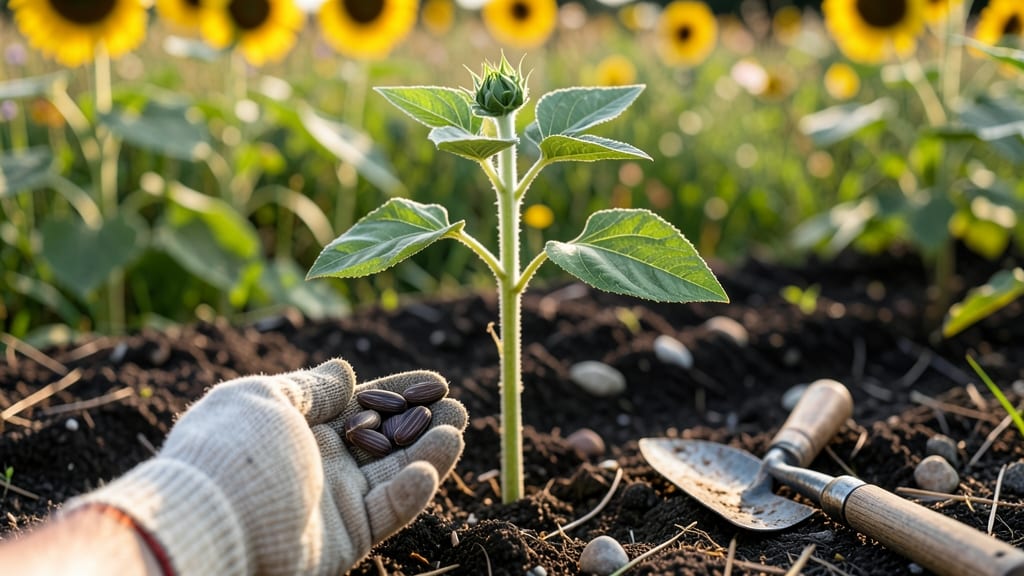
Planting sunflowers in Alabama at the wrong time could mean watching your 🌻 dreams wither before they even sprout—and trust me, you don’t want that!
The key to those towering, cheerful blooms lies in understanding Alabama’s unique climate, where 7b-8b zones and sudden heat shifts can make or break your harvest.
Most gardeners in Alabama get it right by planting between March and May, but there’s a second chance in late summer if you’re aiming for fall blooms.
The difference between a thriving 10-foot giant and a sad, stunted plant often comes down to timing these windows perfectly with your local frost dates.
I’ve seen firsthand how a few weeks too early or late can turn vibrant sunflower patches into disappointing shrubs.
That’s why I’m sharing the exact planting schedule that works for Alabama’s heat and humidity—plus how to adjust for your specific microclimate—so you can grow sunflowers that reach their full, sun-soaked potential.
Ready to transform your garden into a sea of golden blooms? Let’s dive into the zone-specific dates and pro tips that’ll have your sunflowers standing tall and proud all season long.
Best sunflower planting dates in Alabama by hardiness zone
Alabama’s USDA hardiness zones 7b-8b offer two prime windows for planting sunflowers: early spring and late summer. The key is avoiding frost damage while aligning with soil warmth.
In most of Alabama, the last frost date falls around March 15, but northern regions may experience delays until April 1. Late summer plantings thrive when seeded 8-10 weeks before the first frost (typically August-September).
For spring planting, aim for March-April in southern Alabama (zones 8a-8b) and April-May in northern areas (zone 7b). This timing ensures seeds germinate in 60-70°F soil, ideal for sunflower growth. Late summer plantings should occur by mid-August to allow flowers to mature before November’s first frost.
Adjust based on your microclimate—valleys may frost earlier than hillsides.
Here’s how to match your Alabama zone to the perfect planting window:
| Zone | Spring Planting Window | Late Summer Planting Window | Soil Temp Requirement | Notes |
|---|---|---|---|---|
| 7b (North AL) | April 15–May 1 | August 1–15 | 60–70°F | Use row covers for early starts |
| 8a (Central AL) | March 20–April 15 | August 15–30 | 60–70°F | Best for giant varieties |
| 8b (South AL) | March 1–March 15 | September 1–10 | 55–65°F | Extend season with black plastic mulch |
For spring plantings, direct-sow seeds 1 inch deep after the last frost when soil reaches 55°F. In Alabama’s heat, dwarf varieties like ‘Teddy Bear’ mature faster (60 days) than giant varieties like ‘Russian Giant’ (120 days).
Late summer plantings should focus on heat-tolerant types like ‘Autumn Beauty’ to ensure blooms before frost.
Alabama’s humidity and summer heat can stress sunflowers if planted too early. Wait until soil warms to 60°F+ to avoid rot and poor germination. Test soil with a thermometer or plant when daytime highs consistently reach 70°F. In zone 7b, this often means delaying until mid-April.
Pro tip: Use black plastic mulch in late summer to warm soil faster and extend the growing season by 2-3 weeks. This is especially useful in southern Alabama (zone 8b), where cooler pockets can delay planting.
Always water deeply after planting to encourage root establishment in Alabama’s clay-heavy soils.
If you’re growing sunflowers for seeds, plant 1-2 weeks earlier in spring to ensure full maturation. Giant varieties need 120+ frost-free days, so northern Alabama gardeners should prioritize late summer plantings for seed production.
Track your local frost dates using the Alabama Cooperative Extension Service maps for precision timing.
For container growing, start seeds indoors 4-6 weeks before your last frost date and transplant outdoors after hardening off. Containers dry out faster in Alabama’s heat, so water daily until established. Dwarf varieties like ‘Moulin Rouge’ thrive in pots, making them ideal for balconies and patios.
Remember: Sunflowers are annuals in Alabama, so each planting is a fresh start. Experiment with succession planting—sow new seeds every 2 weeks in spring and late summer for continuous blooms. This strategy works especially well for cut flower gardens or attracting pollinators year-round.
🌻
Best sunflower planting dates in Alabama by hardiness zone
Alabama’s 7b-8b hardiness zones create unique challenges for sunflower growers, where last frost dates can vary by 10-14 days between north and south regions.
In Zone 7b (northern Alabama), you’ll want to wait until mid-April to plant, while Zone 8b gardeners in the south can start as early as late March.
The key is planting when soil temperatures reach 55°F (13°C)—this ensures your seeds germinate quickly and avoid the dreaded damping-off disease that thrives in cool, wet Alabama springs. Use a soil thermometer to check; if it’s cooler, wait a week or two.
For spring planting, aim for March 15 to May 1 in most of Alabama. This window gives your sunflowers 90-120 days of growth before summer’s intense heat sets in.
If you’re growing giant varieties like ‘Russian Giant,’ plant on the earlier side of this window—they need more time to mature.
| Zone | Last Frost Date | Spring Planting Window | Late Summer Planting | Harvest Time |
|---|---|---|---|---|
| 7b (North AL) | March 15 | Mid-April to May 1 | August 15-Sept 1 | July-October |
| 8a (Central AL) | March 1 | Late March-May 15 | July 31-Sept 15 | June-November |
| 8b (South AL) | February 15 | Late March-April 30 | August 1-Sept 10 | June-December |
Don’t overlook late summer planting (August-September) for fall blooms! This second window works surprisingly well in Alabama’s climate, giving you 90-110 days of growth before frost. Plant dwarf varieties like ‘Teddy Bear’ in late August for compact, early fall flowers.
Pro tip: If you’re in Zone 8b, you can even try winter planting in December for early spring blooms—just cover young seedlings with row fabric if temperatures dip below 40°F (4°C). I’ve grown sunflowers this way in Mobile with great success!
Remember, sunflowers are fast growers, but Alabama’s humidity and heat can stress them if planted too late. Always check your local Alabama Extension Service for precise frost dates—your garden’s success depends on it! 🌻