
Plants
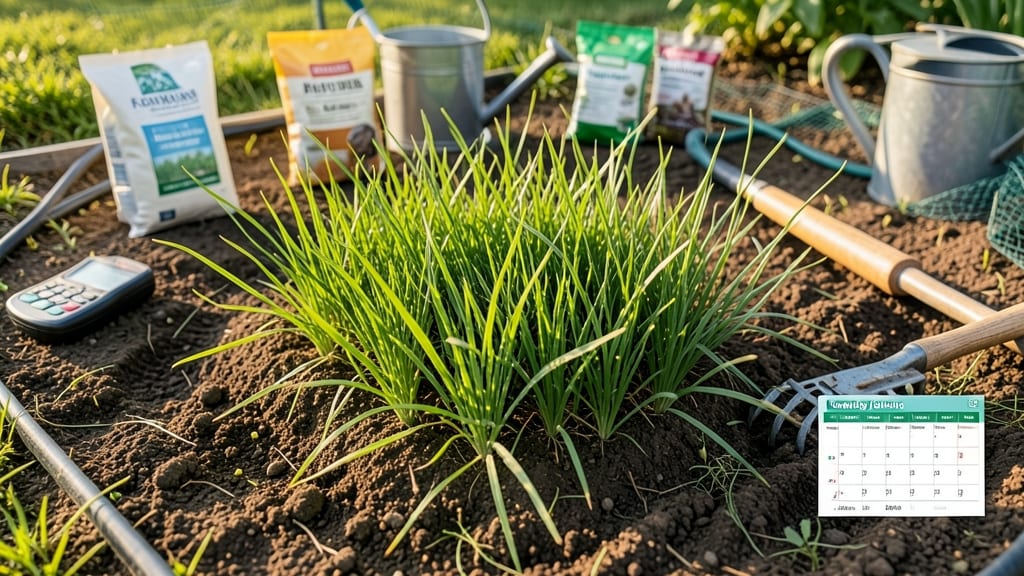
Planting grass seed in Colorado at the wrong time can mean thinning patches or waiting another year for that lush green lawn you crave. With frost dates shifting dramatically between the Front Range and mountain regions, knowing the exact window is everything.
The key is timing it right—after the last frost but before summer’s heat sets in. In USDA Zones 5-7, that typically means March to early May for cool-season grasses like Kentucky Bluegrass, or late summer for warm-season varieties. But Colorado’s elevation changes everything.
Whether you’re in Denver’s Zone 5 or the Western Slope’s Zone 7, soil temperature and microclimates play a bigger role than most gardeners realize. I’ll break down the exact frost-free windows by elevation, so you can plant with confidence.
Ready to skip the guesswork? Let’s dive into the perfect planting timeline for your Colorado lawn—no more wasted seed or months of bare dirt.
Colorado grass planting zones: frost-free dates by elevation (2024 guide)
Colorado’s diverse elevation zones create wildly different planting conditions—what works in Denver’s Front Range (Zone 5-6) fails in Aspen’s Mountains (Zone 4). The key to success? Planting after the last frost and when soil temps hit 50-65°F.
Let’s break down the 2024 frost-free windows by zone so you can time your grass seed perfectly.
Cool-season grasses (like Kentucky Bluegrass and Fescue) dominate Colorado lawns, thriving in spring and fall. Warm-season grasses (e.g., Bermuda) are rare but used in southern Colorado. Your zone dictates whether you’ll plant in March or September—or risk frost damage or heat stress.
📌 PRO TIP: Use Colorado State University’s PlantTalk Colorado tool to check real-time frost data for your exact location. Even a 500-foot elevation change can shift your frost date by 1-2 weeks.
Colorado Grass Planting Zones by Elevation
| Zone | Elevation Range | Last Frost Avg. | Ideal Planting Window | Best Grass Types |
|---|---|---|---|---|
| Front Range (Denver, Boulder) | 5,000–7,000 ft | April 15–May 1 | March 15–April 30 (spring) or Sept 1–Oct 15 (fall) | Kentucky Bluegrass, Tall Fescue, Fine Fescue |
| Foothills (Fort Collins, Colorado Springs) | 6,000–8,000 ft | May 1–May 15 | April 1–May 15 (spring) or Aug 15–Sept 30 (fall) | Tall Fescue, Creeping Red Fescue |
| Mountains (Aspen, Leadville) | 8,000–10,000+ ft | May 15–June 1 | May 1–June 15 (spring only) | Alpine Bluegrass, Hard Fescue |
| Western Slope (Grand Junction, Durango) | 4,500–6,500 ft | March 15–April 1 | February 15–March 31 (spring) or Sept 15–Oct 30 (fall) | Buffalo Grass, Blue Grama |
| Eastern Plains (Pueblo, Lamar) | 3,500–5,000 ft | March 1–March 15 | February 1–March 15 (spring) or Sept 1–Oct 1 | Buffalo Grass, Tall Fescue |
⚠️ Note: Microclimates (e.g., urban heat islands) can shift frost dates by 1-3 weeks. Adjust accordingly!
For Front Range gardeners (Denver/Boulder), the sweet spot is March 15–April 30 for spring planting. Soil temps should be consistently above 50°F at 4-inch depth—use a soil thermometer to confirm. If you’re in Zone 5 (e.g., Fort Collins), wait until April 15 to avoid late frosts.
In higher elevations (8,000+ ft), like Aspen or Breckenridge, spring planting is your only option. Aim for May 1–June 15 when snowmelt has stopped and soil is workable. Fall planting is risky due to early snow—stick to hardy grasses like Hard Fescue if you attempt it.
Southern Colorado’s Western Slope (Grand Junction) has a longer growing season. You can plant as early as February 15 or as late as October 30, but September is ideal to avoid summer heat stress. Buffalo Grass thrives here with minimal water once established.
🌱 KEY TAKEAWAY: Colorado’s elevation-driven climate means one planting window doesn’t fit all. Use the table above as your guide, then adjust for local microclimates—like a south-facing slope warming up faster than a north-facing yard.
Need extra insurance? Frost blankets can extend your spring window by 2-3 weeks in cooler zones. Just lay them over newly seeded areas if a late frost warning pops up. For fall plantings, stop by September 15
How to adjust planting timing for Colorado’s unpredictable weather patterns
Colorado’s weather is famously unpredictable—one day you’re dealing with late spring frosts, and the next, summer heat arrives earlier than expected. These shifts can throw off your grass seed planting timeline by weeks, even months.
The key is flexibility: knowing how to extend your planting window, protect new seedlings, and choose the right grass type for your microclimate.
For example, Denver’s Front Range might see its last frost in early May, but a sudden cold snap in late April can delay planting. Meanwhile, the Western Slope might warm up faster, allowing for earlier seeding.
I’ll show you how to work with these variables—so your lawn doesn’t become a victim of Colorado’s whims.
Start by checking soil temperatures with a simple soil thermometer. Grass seeds need soil between 50-65°F to germinate properly. If temperatures dip below this, your seeds may rot before sprouting. In higher elevations like Zone 5 (Mountains), wait until mid-May or even early June to avoid frost damage.
Another trick? Use frost blankets or row covers to extend your planting window by 2-4 weeks. These lightweight fabrics protect young seedlings from late frosts while still allowing sunlight and water to penetrate. I’ve used them in my own yard to push seeding into early April without risking damage.
5 Ways to Adjust Your Planting Timeline
- Monitor soil temps with a thermometer—aim for 50-65°F for germination.
- Choose frost-resistant seeds like Tall Fescue or Creeping Red Fescue for earlier planting.
- Use frost blankets to protect seedlings from late frosts (extend window by 2-4 weeks).
- Plant in microclimates like south-facing slopes that warm up faster.
- Avoid summer heat—warm-season grasses like Bermuda need soil temps above 70°F.
If you’re planting in late summer or fall, opt for cool-season grasses like Kentucky Bluegrass or Fine Fescue. These varieties thrive in Colorado’s shorter growing season and can handle cooler temperatures.
Warm-season grasses like Buffalo Grass or Zoysia should only be planted in late spring to early summer when soil temps stay above 70°F.
One common mistake? Planting too early and getting burned by summer heat. If you seed in late May, your grass may struggle to establish before the heat sets in.
Instead, aim for early spring (March-April) or late summer (August-September) for the best results. And always water deeply in the morning to reduce evaporation and fungal risks.
Pro tip: Check Colorado State University’s frost-free date maps for your specific county. Their data is updated annually and accounts for local microclimates. With the right adjustments, you can plant grass seed in Colorado successfully year after year, no matter what Mother Nature throws your way. 🌱